Brazil, while leading in soybean exports worldwide, risks losing market share in the European Union.
This is due to a lack of data on eco-friendly practices. Starting in 2025, the EU will demand proof that imports are free from deforestation.
This applies to legal and illegal cases. Companies must also follow Brazil’s Forest Code.
Recent studies show a challenge. Traders may find it hard to prove compliance with this code.
Specifically, 74% of soybeans from the Amazon and the Cerrado regions fail these checks. They either break the rules or show signs of potential violations.
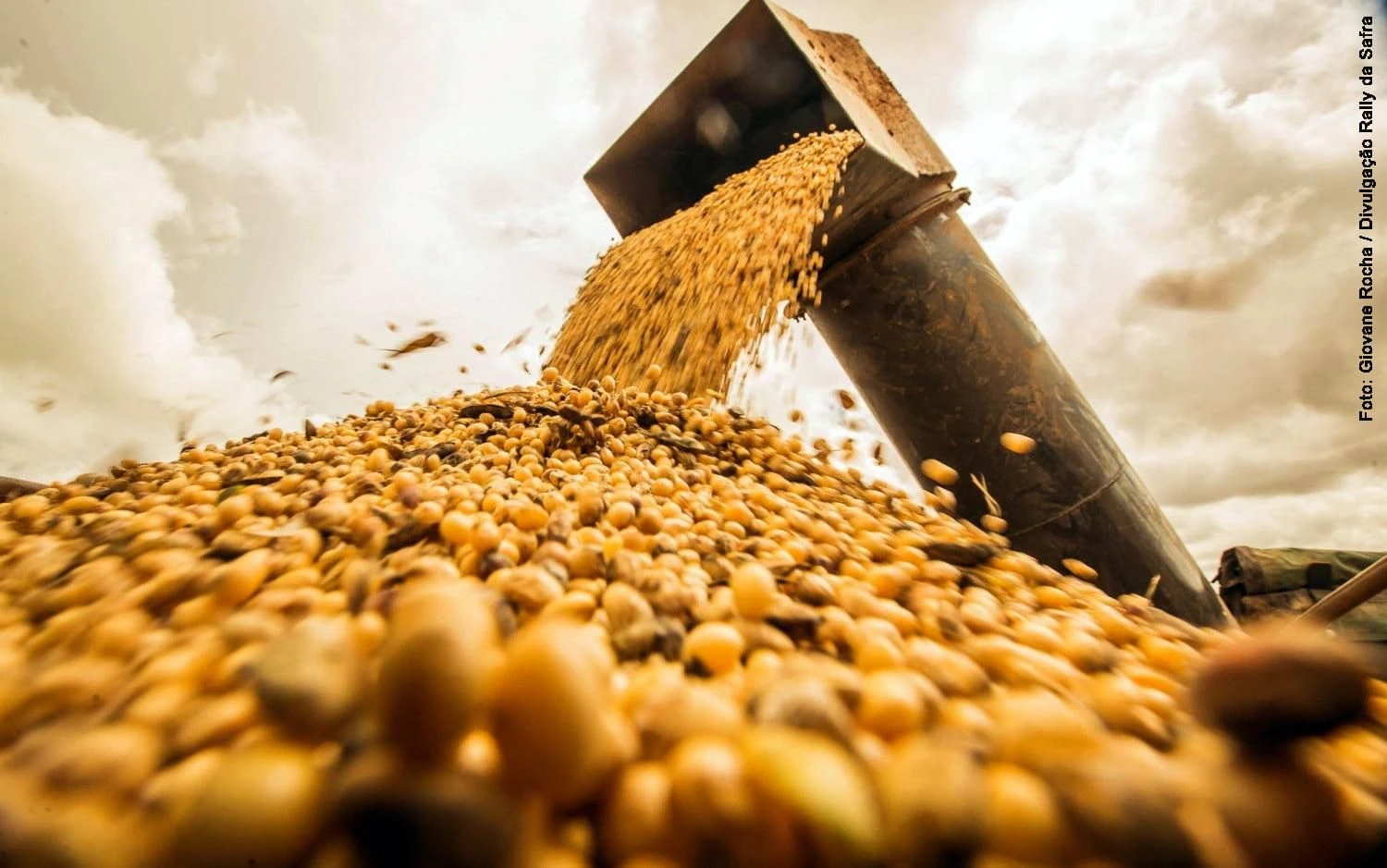
After China, the EU is the next big buyer of Brazil’s soybeans. U.S. firms like Archer-Daniels-Midland and Bunge have enjoyed high profits this year.
They gained from Brazil’s record soybean harvests.
André Vasconcelos led a revealing report. It states that traders often overlook environmental factors.
Thus, they may face roadblocks in future EU exports.
Vasconcelos also pointed out Brazil’s need for data transparency. With better data, Brazil can serve as an example.
It can guide other nations on EU’s deforestation rules.
Historically, Brazil has faced a dilemma. It needed to expand agriculture without harming the environment.
The Soy Moratorium was one past effort to protect the Amazon. It had mixed results.
However, the new EU rules could change things. They could make Brazil improve its data quality.
Moreover, they could set global standards for eco-friendly agriculture. Consequently, the impact could extend beyond Brazil and the EU.
It might lead to a more responsible global farming sector.
Background
The issue reflects a global tension between trade and sustainability. For years, Brazil has capitalized on its rich natural resources.
However, this led to significant deforestation and environmental risks. Interestingly, China, the top buyer of Brazil’s soybeans, has less stringent rules.
The EU’s new regulation is part of a broader initiative. It aims to combat climate change through responsible trading.
The Forest Code in Brazil was initially seen as a step in the right direction. Yet, the lack of enforcement and data transparency hinder its effectiveness.
The EU’s move could prompt more than just a change in Brazil. It could influence international norms.
These changes could make environmental sustainability a key factor in global trade.
More: Brazil news in English, every day from The Rio Times.
This article was produced by The Rio Times’ automated newsroom system. How we use AI · Report an error
Read More from The Rio Times