Brazil Heads for a Record Grain Harvest Even as Rice and Beans Fall

Brazil · Agribusiness
Key Facts
—A record. Brazil is set to harvest 358.6 million tons of grain in the 2025/26 season, the most in its history.
—The driver. Soybeans lead the way at 180.3 million tons, with first-crop corn setting a new yield record.
—Up 1.8%. The total is about 6.4 million tons above last season, on a larger planted area.
—The retreat. Rice falls 13.2 percent, beans dip slightly, and wheat and cotton both decline.
—No shortage. The crop agency says the domestic market remains fully supplied despite those dips.
—Why it matters. Brazil is a cornerstone of global food supply, and its harvest moves prices from Asia to Europe.
The Brazil grain harvest is on course for another all-time record this year, powered by soybeans, even as some staple crops on the dinner table quietly shrink.
Brazil is heading for the largest grain harvest in its history. The national crop agency Conab raised its forecast on Thursday to 358.6 million tons for the 2025/26 season, a new record.
The figure is about 1.8 percent above last year, an increase of some 6.4 million tons. Behind the headline number, though, lies a more uneven story.
What is driving the Brazil grain harvest higher
Soybeans are doing the heavy lifting. Conab expects a record 180.3 million tons of the oilseed, which alone accounts for roughly half the country’s entire grain output.
Corn is the other pillar. The first corn crop is set for a new productivity record, and sorghum is surging almost 25 percent.
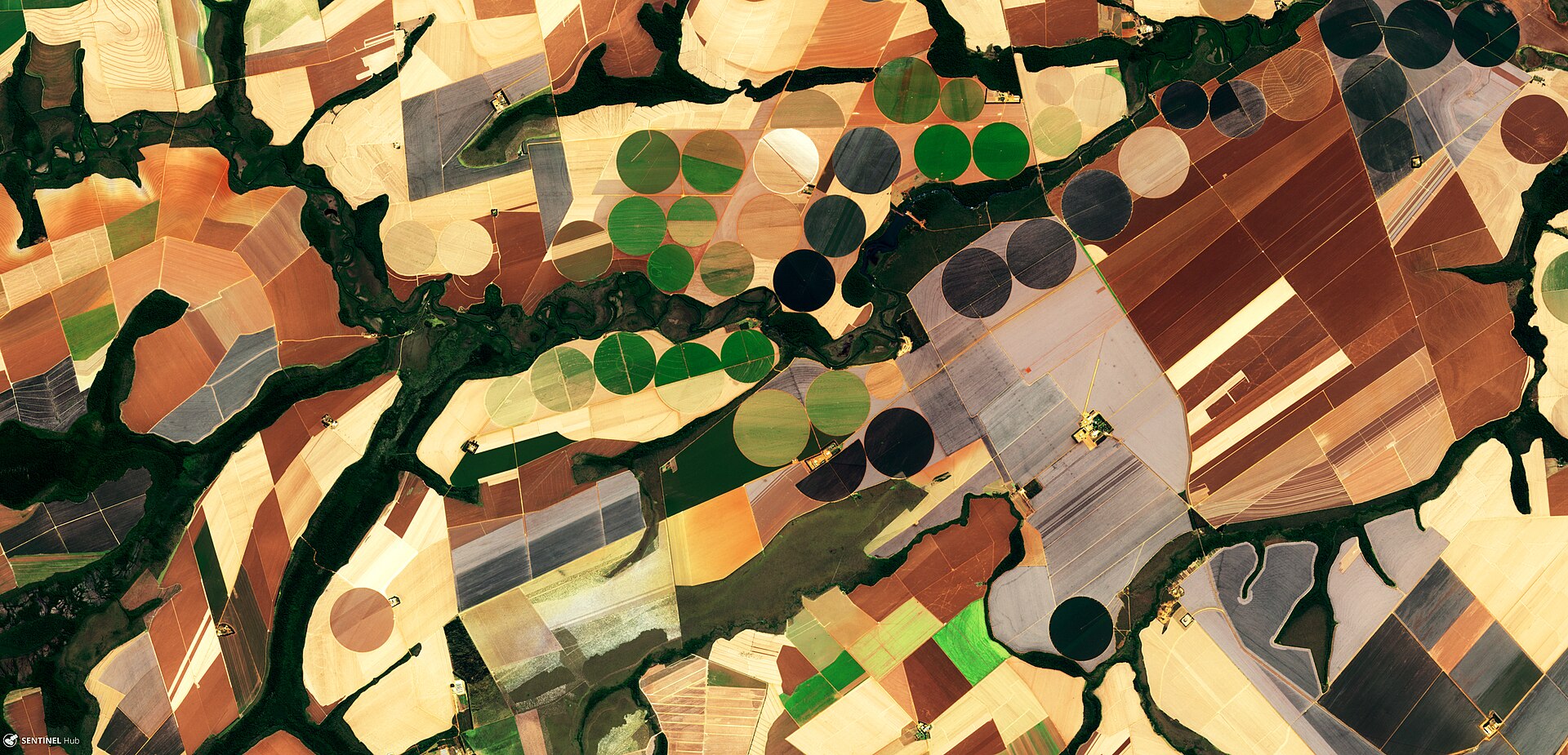
The gains rest on two simple drivers. Farmers planted more land, with the area reaching about 83.5 million hectares, and favorable weather lifted average yields.
The numbers underline how productive those fields have become. Average yield is running near 4,295 kilos per hectare, a level that turns a modest area gain into a record haul.
The expansion of planted area, up 2.2 percent on last season, has been a steady feature of Brazilian farming. Each year more of the country’s interior is brought under the plough, especially in the central-west and the newer frontier regions.
The crops going the other way
Not every crop shares in the boom. Rice production falls 13.2 percent to about 11.1 million tons, as farmers cut back planting in response to weaker market prices.
Beans, a staple on Brazilian plates, slip slightly to around 3 million tons. Cotton and wheat also decline, mainly on smaller planted areas.
The pattern reflects choices, not failure. With prices soft for some crops, farmers steered land toward the most profitable options, chiefly soybeans and corn.
Conab is keen to calm any worry about the dinner table. Even with the lower rice and bean crops, it says domestic supply remains fully covered.
Wheat is the main exception to Brazil’s self-sufficiency. The country still leans on imports to balance its wheat needs, a long-standing feature of its farm economy.
Why the world watches Brazil’s fields
For outsiders, the scale is what matters. Brazil is the world’s largest exporter of soybeans, and its crops feed livestock and fuel bioenergy across continents.
China is the single biggest customer. It absorbed the lion’s share of Brazil’s record soybean exports last year, a dependence that has only deepened amid trade tensions between Beijing and Washington.
Cotton tells a similar export story. Even with a smaller crop this year, Brazil has overtaken the United States as the world’s top cotton exporter, with China among the buyers driving shipments higher.
That makes the harvest a global price-setter. When Brazil grows more, buyers from Asia to Europe tend to pay less, so a record crop ripples far beyond the farm gate.
The challenge behind the record
A bumper crop brings its own headache: moving it. Brazil’s storage and transport networks have struggled to keep pace with rising output in recent years, leaving grain to pile up at ports during peak season.
The gap is stark. Brazil can store only a little over half of what it grows, well short of the level international bodies recommend, and the shortfall is worst in the newer farming regions.
The test now is logistics rather than production. A record harvest only delivers its full value if the country can get the grain onto ships and out to buyers on time.
More: Brazil news in English, every day from The Rio Times.
How big is the 2026 Brazil grain harvest?
Conab projects a record 358.6 million tons for the 2025/26 season, about 1.8 percent above the prior year. Soybeans lead at 180.3 million tons, with corn close behind.
Why are rice and beans falling if the total is a record?
Farmers shifted land toward more profitable crops, so rice fell 13.2 percent and beans dipped slightly. Conab says domestic supply of both remains fully covered despite the declines.
Why does Brazil’s harvest matter globally?
Brazil is the world’s largest soybean exporter and a cornerstone of global food supply. Its output influences prices for animal feed and food from Asia to Europe.
Connected Coverage
Brazil Grew More Soybeans Than Ever and Now Can’t Get Them on a Ship
Brazil Agribusiness 2026: Soy, Beef, Coffee and Export Power
This article was produced by The Rio Times’ automated newsroom system. How we use AI · Report an error · Editorial responsibility: Matthias Camenzind, Editor-in-Chief