“Moqueca baiana” is elected one of the 20 best seafood dishes in the world
Moqueca Baiana is the 19th tastiest seafood dish in the world, according to the TasteAtlas gastronomic encyclopedia released this week.
With many fans among the voters passionate about gastronomy, the classic of Bahia’s cuisine took 4.6 (out of 5 possible points) in the publication’s survey, beating famous delicacies such as Peruvian ceviche, Portuguese ‘arroz de marisco” (shellfish rice), Hawaiian poke and Spanish paella.

The recipe was presented to the international public as a stew that always includes one type of white fish, shrimp, and other seafood combined with coconut milk, dendê oil, Tahiti lemon juice, and assorted vegetables – among them yellow and red peppers, tomatoes, scallions, garlic, onions, and ginger.
“[Moqueca] was originally prepared by the native peoples of Brazil,” Atlas explains.
“Over time, new elements were added to the stew, such as coconut milk, which the Portuguese colonizers introduced to the country, and dende oil, brought by African slaves.”
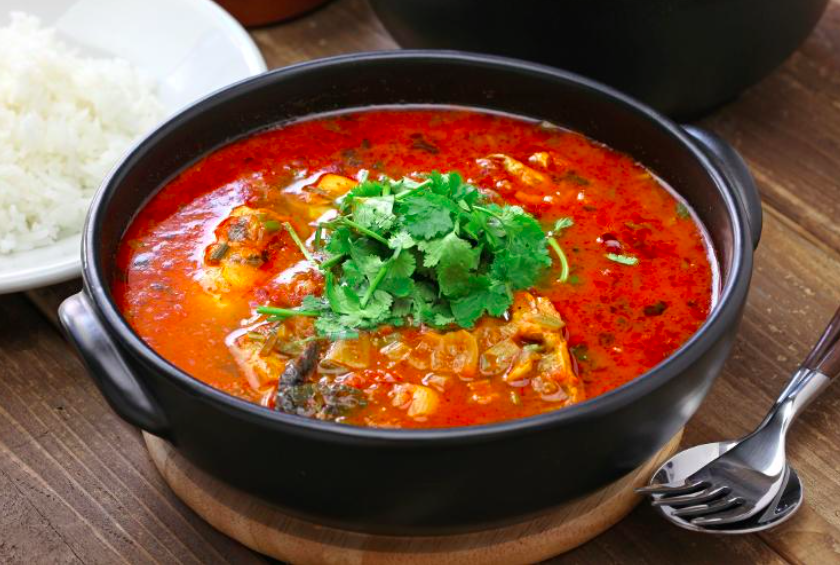
The publication also recommends serving the Bahian moqueca with fresh chopped cilantro, rice, and farofa, but it is not the only Brazilian representative on the list.
Its variations, such as Moqueca Capixaba (from the state of Espírito Santo), encompassed the “moqueca” category, which earned 31st place overall with a 4.5 rating.
WINNER IS PORTUGUESE
The world’s tastiest seafood dish in the ranking published on March 5 by TasteAtlas is “Amêijoas à Bulhão Pato”, a dish from Portugal that received a 4.8 rating.
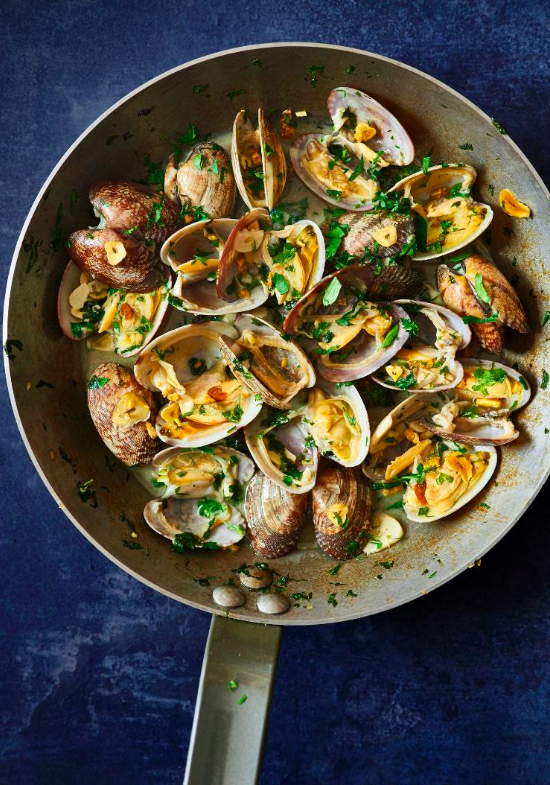
Its rather unique name is a tribute to the 19th-century poet Raimundo António de Bulhão Pato.
The recipe combines the mollusk cockleshell with a sauce based on olive oil, garlic, lemon juice, and fresh cilantro, always served with a bread roll.
The encyclopedia team explains that its methodology considers the international gastronomic public’s evaluation through filtered votes on its site, eliminating, according to Atlas, guesses potentially linked to bots or “nationalists”.
With information from UOL
This article was produced by The Rio Times’ automated newsroom system. How we use AI · Report an error
Read More from The Rio Times