Brazil-France Collaboration Gains Momentum Ahead of COP30 and Economic Talks
Brazilian Finance Minister Fernando Haddad arrived in Paris this week to deepen bilateral ties as geopolitical fractures reshape alliances.
His visit, confirmed by Brazilian government sources, coincides with mounting European unease over U.S. isolationism under President Donald Trump, who withdrew from the Paris Climate Agreement days into his second term.
France, seeking reliable partners, aligns with Brazil’s dual role as a climate leader and emerging economy. Haddad began meetings with former French Prime Minister Laurent Fabius, architect of the 2015 Paris Agreement, signaling shared climate priorities.
The talks precede President Luiz Inácio Lula da Silva’s June visit to France, where he will join Macron at the UN Ocean Conference. Both nations aim to bolster November’s COP30 summit in Belém, marking the Paris accord’s 10th anniversary.
Brazil secured Macron’s backing for the event during a February call, framing COP30 as a milestone for global climate governance. Economic resilience anchors the dialogue. Haddad met French Economy Minister Éric Lombard and executives to pitch Brazil as a destination for green investments.
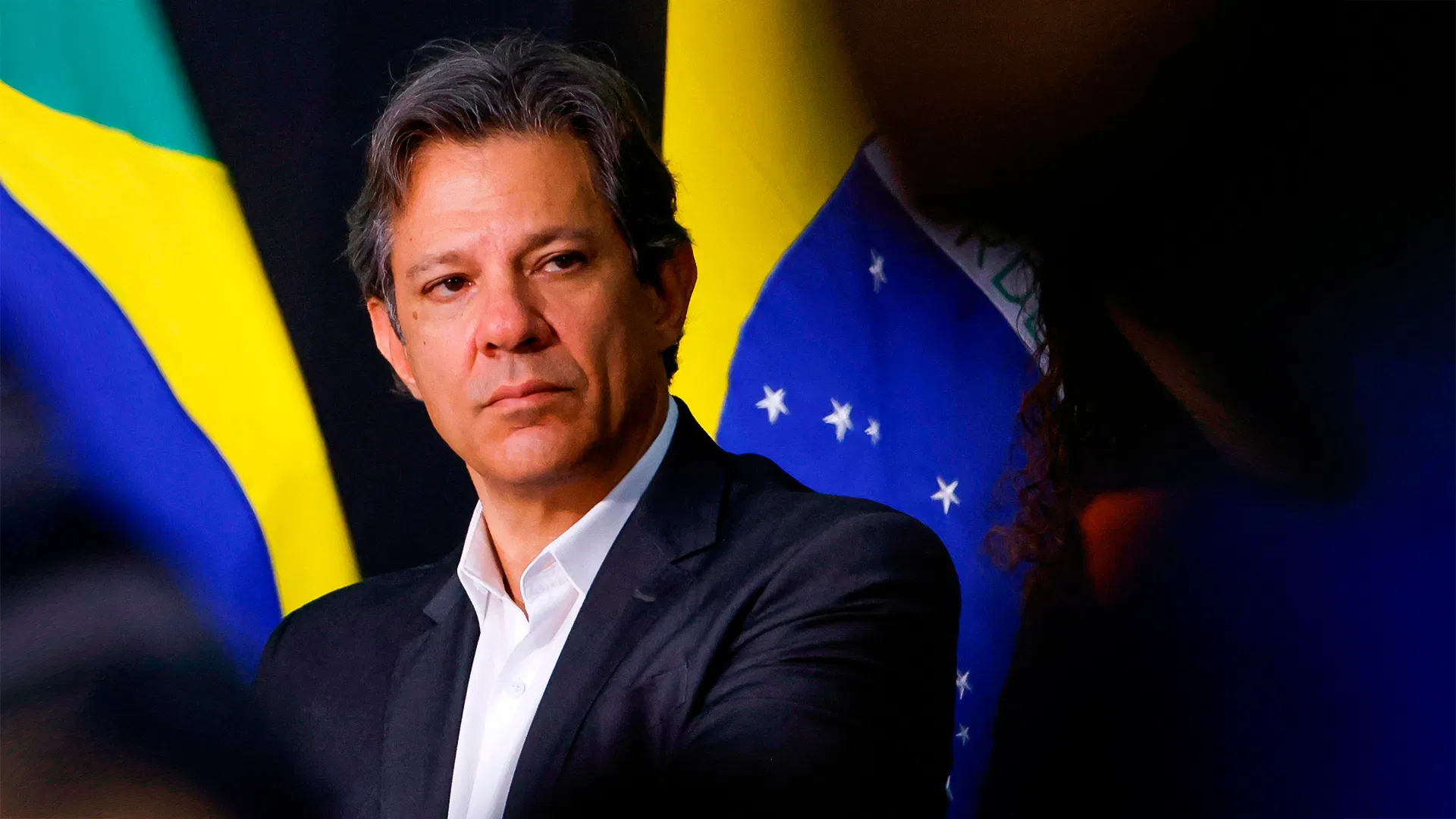
Discussions addressed hurdles in the stalled Mercosur-EU trade deal, which faces French resistance over Amazon deforestation concerns. “The Mercosur deal will surface naturally,” a Brazilian official noted, acknowledging tensions but emphasizing France’s status as Brazil’s fifth-largest foreign investor.
Brazil-France Partnership Focuses on Climate Governance
The minister’s Sciences Po lecture on climate governance underscored Brazil’s strategy to balance growth and sustainability. His appearance followed meetings with academics Philippe Descola and Pierre Charbonnier, thinkers on ecological transitions.
Later, Haddad headlined a conference titled *Ten Years After Paris: Governing the Climate Era*, stressing multilateralism’s decline and the need for new partnerships. Macron’s 2024 Brazil visit laid groundwork for these talks, emphasizing defense cooperation and Amazon protection.
France funds satellite monitoring of deforestation, while joint projects like nuclear submarines highlight technological synergy. Bilateral trade reached $7.8 billion in 2023, with French firms like TotalEnergies and Vinci expanding footprints in Brazilian energy and infrastructure.
Behind the scenes, officials acknowledge challenges. Trump’s rejection of multilateral forums has strained Western unity, pushing Europe toward middle powers like Brazil. Lula’s return to power revived climate diplomacy after Bolsonaro’s tenure, but investors still seek clearer regulations.
Haddad’s mission reassures French businesses while nudging Europe to finalize the Mercosur pact, stalled since 2019 over environmental clauses.
The visit’s symbolic weight lies in timing. As Trump disrupts old alliances, Brazil and France exemplify a pragmatic reordering—blending climate urgency with economic pragmatism.
Their partnership tests whether strategic autonomy can offset U.S. unpredictability, offering a template for others navigating a fractured world order. With COP30 looming, their collaboration may define this decade’s climate trajectory.
More: Brazil news in English, every day from The Rio Times.
This article was produced by The Rio Times’ automated newsroom system. How we use AI · Report an error
Read More from The Rio Times