Brava Energia, a rising star in Brazil’s oil industry, hit a snag in November 2024. The company’s production plummeted to 34,813 barrels of oil equivalent per day, a 22.8% drop from October.
This decline offers a window into the broader challenges facing Brazil’s ambitious energy sector. The company, born from the merger of 3R Petroleum and Enauta, saw its oil output fall to 25,900 barrels per day.
Natural gas production also dipped to 8,907 barrels equivalent. These figures stand in stark contrast to Brava‘s August peak of 56,625 barrels per day. Behind these numbers lies a tale of operational hurdles.
Maintenance at the Papa-Terra field and regulatory hurdles for the new Atlanta floating production unit contributed to the slowdown. These issues highlight the complex dance of technology, regulation, and market forces in oil production.
Brava’s story mirrors Brazil‘s larger energy narrative. The country aims to join the top five global oil producers by 2030. Yet, this goal faces headwinds from market volatility and the global push for cleaner energy.
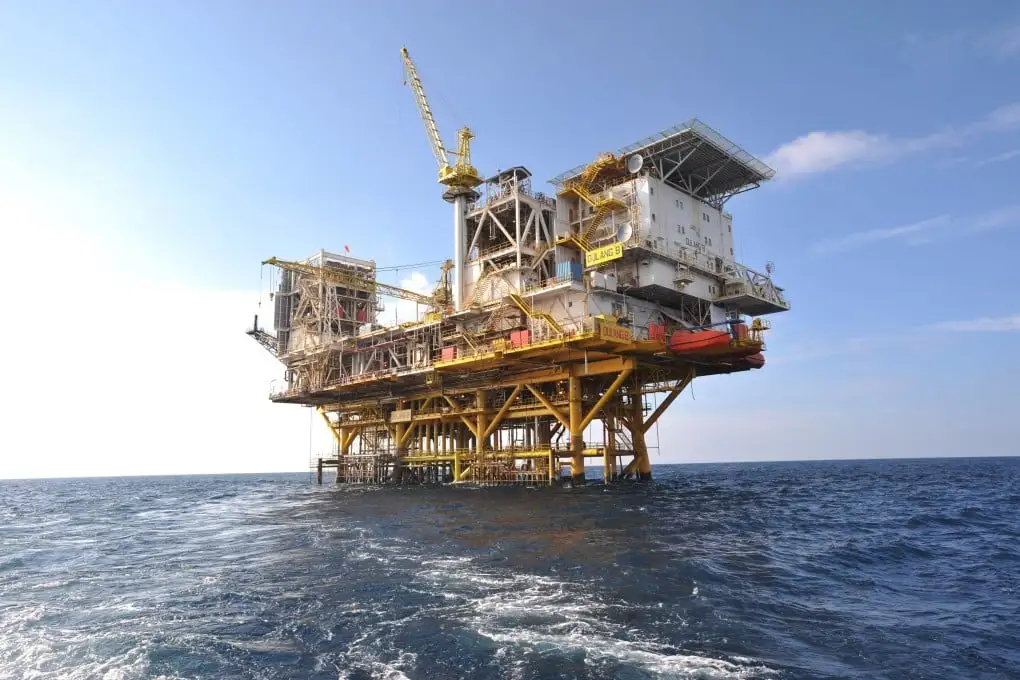
Brava’s recent acquisition of a stake in Parque das Conchas shows its commitment to growth amid these challenges. The company’s performance matters beyond its balance sheet.
It reflects Brazil’s ability to meet its ambitious production targets. The national plan envisions oil output reaching 4.9 million barrels per day by 2032, with pre-salt fields leading the charge.
As Brava works to bounce back, its journey offers insights into the resilience needed in the evolving energy landscape. The company’s ability to navigate these waters will not only shape its future but also provide clues about Brazil’s energy trajectory.
This article was produced by The Rio Times’ automated newsroom system. How we use AI · Report an error · Editorial responsibility: Matthias Camenzind, Editor-in-Chief
LatAm Markets: Live Signals → — real-time movers, turnover leaders and FX across Latin America.