Ecuador’s Energy Crisis: The End of Blackouts and What Lies Ahead
Ecuador has been grappling with a severe energy crisis that has disrupted daily life and strained its economy. On December 10, 2024, President Daniel Noboa announced that power outages would officially end on December 20.
This news comes after months of blackouts that lasted up to 14 hours a day, affecting homes and businesses alike. The root of the crisis lies in a significant drought, the worst in over sixty years.
With more than 70% of Ecuador‘s electricity generated from hydroelectric sources, the lack of rain severely impacted water levels in reservoirs. This situation forced the government to impose rolling blackouts as it struggled to meet the country’s energy demands.
The impact was felt across various sectors, with businesses reporting losses in the millions. For example, local ice cream producers faced production halts, leading to job cuts in communities reliant on these industries.
Noboa’s administration has taken steps to address the crisis. Improvements in infrastructure and recent rainfall have made it possible to lift the power restrictions.
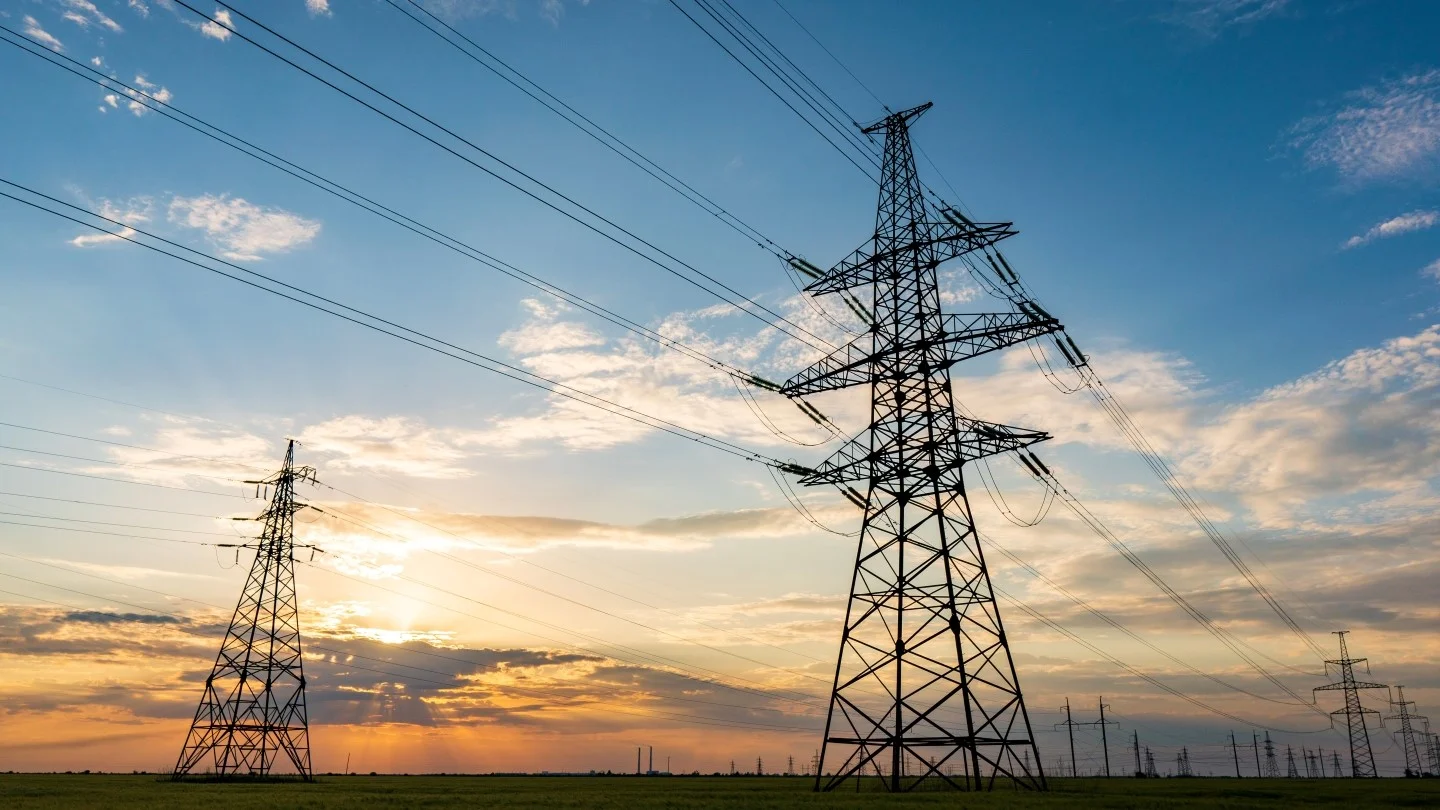
Additionally, the government plans to invest in new energy projects and expand its energy mix by incorporating renewable sources. This shift is essential for reducing reliance on hydroelectric power and ensuring a more stable energy supply.
The announcement comes at a crucial time for Noboa, who is preparing for re-election next year. The energy crisis has underscored the need for sustainable solutions and greater independence within Ecuador’s energy sector.
In short, as the country moves forward, it must balance immediate recovery efforts with long-term strategies to prevent future crises.
This article was produced by The Rio Times’ automated newsroom system. How we use AI · Report an error · Editorial responsibility: Matthias Camenzind, Editor-in-Chief
LatAm Markets: Live Signals → — real-time movers, turnover leaders and FX across Latin America.