IBOV 177,547.57 ▲ 2.44% IPSA 11,009.22 ▲ 0.50% IPC MEX 67,298.78 ▲ 0.88% MERVAL 3,379,771 ▲ 2.98% COLCAP 2,297.00 ▼ 0.19% BVL PERÚ 57,575.02 — — USD/BRL5.06▲ 0.04% USD/MXN17.44▲ 0.31% USD/CLP937.27▲ 0.18% USD/COP3,204▼ 0.73% USD/PEN3.39▼ 0.29% USD/ARS1,482▼ 0.03% USD/UYU40.14▲ 1.16% USD/PYG6,035▲ 1.38% USD/BOB10.95▲ 2.82% USD/DOP57.92▼ 0.14% USD/CRC447.42▲ 1.36% USD/GTQ7.62▲ 2.31% USD/HNL26.74▲ 0.88% USD/NIO36.62▲ 0.31% USD/VES736.04▼ 0.13% USD/PAB1.00— 0.00% USD/BZD2.00— 0.00% USD/JMD157.49▲ 0.36% USD/TTD6.71▲ 0.76% EUR/BRL5.77▼ 0.51% BRENT 92.95 ▼ 1.19% WTI 90.40 ▲ 4.11% IRON ORE 161.91 — — COPPER 6.45 — 0.00% GOLD 4,092 ▼ 1.33% SILVER 58.94 ▼ 1.81% SOY 1,243 ▲ 0.83% CORN 488.00 ▲ 5.63% WHEAT 706.25 ▲ 0.07% COFFEE 315.75 ▼ 0.28% SUGAR 14.80 ▲ 0.41% ORANGE JUICE 147.50 ▲ 2.57% COTTON 81.64 ▲ 2.22% COCOA 5,331 ▲ 0.06% BEEF 219.20 ▼ 3.30% CATTLE 336.15 ▼ 3.83% LITHIUM 69.00 ▼ 0.12% PETR4 42.58 ▲ 2.21% VALE3 75.10 ▲ 3.96% ITUB4 42.90 ▲ 0.87% BBDC4 18.97 ▲ 2.26% ABEV3 16.13 ▲ 2.09% BBAS3 21.09 ▲ 1.01% B3SA3 15.90 ▲ 4.81% WEGE3 46.74 ▲ 10.05% PRIO3 59.77 ▲ 2.73% SUZB3 42.66 ▲ 2.47% RENT3 37.14 ▲ 1.61% AZZA3 17.81 ▲ 1.89% CSAN3 3.92 ▲ 3.70% RAIZ4 0.27 — 0.00% PCAR3 2.75 ▲ 0.73% GMAT3 3.91 ▲ 2.09% PSSA3 55.45 ▲ 3.68% CVCB3 1.27 ▲ 13.39% POSI3 3.70 ▲ 0.54% SLCE3 13.96 ▲ 1.53% NATU3 8.68 ▼ 0.34% BRKM5 6.07 ▲ 6.30% RANI3 8.00 ▲ 1.39% CSNA3 5.38 ▲ 6.32% CMIN3 5.84 ▲ 4.66% USIM5 8.65 ▲ 2.25% GGBR4 24.06 ▲ 2.43% ENEV3 25.97 ▲ 2.16% CPFE3 46.71 ▲ 0.67% CMIG4 11.21 ▲ 1.72% EQTL3 39.35 ▲ 1.34% LREN3 13.54 ▲ 2.03% VIVT3 35.38 ▼ 1.17% RAIL3 13.64 ▲ 3.02% KLABIN 17.93 ▲ 1.93% RAIA DROGASIL 18.29 ▲ 0.88% RDOR3 34.49 ▲ 1.68% HAPV3 11.39 ▲ 1.33% FLRY3 16.65 ▲ 0.60% SMTO3 16.05 ▲ 3.02% UGPA3 32.83 ▲ 3.17% VBBR3 34.98 ▲ 3.03% BBSE3 42.58 ▲ 2.48% BPAC11 57.02 ▲ 2.98% CURY3 30.20 ▲ 0.83% AERI3 2.05 ▲ 0.49% VIVARA 21.55 ▲ 0.65% COMPASS 24.81 ▲ 1.51% VAMOS 3.23 ▲ 4.53% SANB11 26.95 ▼ 0.96% ASAI3 8.40 ▲ 1.82% SBSP3 29.29 ▲ 2.41% WALMEX 48.65 ▼ 1.02% GMEXICO 214.34 ▲ 2.57% FEMSA 227.98 ▲ 0.55% CEMEX 22.17 ▲ 0.45% GFNORTE 191.99 ▲ 3.33% BIMBO 60.30 ▲ 1.53% TELEVISA 9.82 ▲ 0.61% AMX 22.70 ▼ 0.26% GAP 378.40 ▼ 0.03% ASUR 273.53 ▼ 0.52% OMA 229.62 ▲ 1.49% KOF 182.55 ▲ 1.15% GRUMA 280.45 ▼ 0.76% KIMBER 38.85 ▲ 1.17% SQM-B 65,055 ▲ 0.80% COPEC 6,550 ▲ 1.55% BSANTANDER 79.85 ▲ 1.06% FALABELLA 6,042 ▲ 2.08% ENELAM 84.53 — 0.00% CENCOSUD 2,010 ▼ 0.89% CMPC 1,070 ▼ 1.28% BANCO CHILE 193.50 ▲ 1.84% LATAM AIR 24.09 ▼ 0.45% YPF 82,500 ▲ 2.33% GGAL 8,275 ▲ 3.89% PAMPA 5,625 ▲ 2.74% TXAR 668.50 ▼ 1.55% ALUAR 974.00 ▲ 0.10% TGS 9,905 ▲ 2.01% CEPU 2,411 ▲ 3.03% MIRGOR 16,925 ▲ 0.89% COME 43.14 ▲ 0.63% LOMA NEGRA 3,823 ▲ 6.03% BYMA 295.00 ▲ 0.94% TELECOM ARG 4,420 ▲ 3.88% ECOPETROL 16.69 ▲ 0.97% BANCOLOMBIA 84.66 ▲ 1.22% GRUPO AVAL 5.04 ▼ 0.98% CREDICORP 393.43 ▲ 0.60% SOUTHERN COPPER 195.48 ▲ 3.97% BUENAVENTURA 32.09 ▲ 2.69% MERCADOLIBRE 1,799 ▼ 1.29% NUBANK 14.51 ▲ 0.83% XP 17.30 ▲ 2.67% PAGSEGURO 9.67 ▲ 0.94% STONE 11.36 ▲ 0.93% GLOBANT 30.67 ▼ 4.45% TECNOGLASS 45.24 ▲ 0.20% GAP AIRPORT 217.70 ▲ 0.01% ASUR 273.53 ▼ 0.52% OMA AIRPORT 105.35 ▲ 1.07% AMX ADR 26.12 ▲ 0.12% FEMSA ADR 130.96 ▲ 0.47% CEMEX ADR 12.74 ▲ 0.32% PETROBRAS ADR 18.89 ▲ 1.89% VALE ADR 14.85 ▲ 4.21% ITAU ADR 8.48 ▲ 0.95% SANTANDER BR 5.45 ▲ 0.74% AMBEV ADR 3.14 ▲ 0.96% CSN 1.09 ▲ 9.00% GERDAU 4.77 ▲ 2.69% LATAM ADR 51.22 ▼ 0.68% BTC 65,729 ▼ 0.56% ETH 1,927 ▼ 0.32% SOL 77.73 ▼ 0.23% XRP 1.14 ▼ 0.57% BNB 569.59 ▼ 0.20% ADA 0.17 ▲ 0.05% DOGE 0.07 ▼ 0.70% AVAX 6.59 ▼ 0.41% LINK 8.65 ▲ 0.25% DOT 0.82 ▼ 1.70% LTC 46.88 ▼ 0.41% BCH 216.61 ▼ 1.53% TRX 0.33 ▼ 0.38% XLM 0.19 ▼ 1.19% HBAR 0.07 ▲ 0.87% NEAR 1.87 ▲ 0.27% ATOM 1.46 ▼ 0.24% AAVE 98.12 ▲ 0.78% SELIC 14.25% EMBRAER 83.79 ▲ 1.38% EMBRAER ADR 66.05 ▲ 0.89% JBS 12.25 ▲ 2.51% JBS BDR 61.80 ▲ 2.62% MBRF3 16.03 ▲ 6.09% MBRFY 3.19 ▲ 8.14% INTER 5.69 ▲ 1.97% IBOV 177,547.57 ▲ 2.44% IPSA 11,009.22 ▲ 0.50% IPC MEX 67,298.78 ▲ 0.88% MERVAL 3,379,771 ▲ 2.98% COLCAP 2,297.00 ▼ 0.19% BVL PERÚ 57,575.02 — — USD/BRL 5.06 ▲ 0.04% USD/MXN 17.44 ▲ 0.31% USD/CLP 937.27 ▲ 0.18% USD/COP 3,204 ▼ 0.73% USD/PEN 3.39 ▼ 0.29% USD/ARS 1,482 ▼ 0.03% USD/UYU 40.14 ▲ 1.16% USD/PYG 6,035 ▲ 1.38% USD/BOB 10.95 ▲ 2.82% USD/DOP 57.92 ▼ 0.14% USD/CRC 447.42 ▲ 1.36% USD/GTQ 7.62 ▲ 2.31% USD/HNL 26.74 ▲ 0.88% USD/NIO 36.62 ▲ 0.31% USD/VES 736.04 ▼ 0.13% USD/PAB 1.00 — 0.00% USD/BZD 2.00 — 0.00% USD/JMD 157.49 ▲ 0.36% USD/TTD 6.71 ▲ 0.76% EUR/BRL 5.77 ▼ 0.51% BRENT 92.95 ▼ 1.19% WTI 90.40 ▲ 4.11% IRON ORE 161.91 — — COPPER 6.45 — 0.00% GOLD 4,092 ▼ 1.33% SILVER 58.94 ▼ 1.81% SOY 1,243 ▲ 0.83% CORN 488.00 ▲ 5.63% WHEAT 706.25 ▲ 0.07% COFFEE 315.75 ▼ 0.28% SUGAR 14.80 ▲ 0.41% ORANGE JUICE 147.50 ▲ 2.57% COTTON 81.64 ▲ 2.22% COCOA 5,331 ▲ 0.06% BEEF 219.20 ▼ 3.30% CATTLE 336.15 ▼ 3.83% LITHIUM 69.00 ▼ 0.12% PETR4 42.58 ▲ 2.21% VALE3 75.10 ▲ 3.96% ITUB4 42.90 ▲ 0.87% BBDC4 18.97 ▲ 2.26% ABEV3 16.13 ▲ 2.09% BBAS3 21.09 ▲ 1.01% B3SA3 15.90 ▲ 4.81% WEGE3 46.74 ▲ 10.05% PRIO3 59.77 ▲ 2.73% SUZB3 42.66 ▲ 2.47% RENT3 37.14 ▲ 1.61% AZZA3 17.81 ▲ 1.89% CSAN3 3.92 ▲ 3.70% RAIZ4 0.27 — 0.00% PCAR3 2.75 ▲ 0.73% GMAT3 3.91 ▲ 2.09% PSSA3 55.45 ▲ 3.68% CVCB3 1.27 ▲ 13.39% POSI3 3.70 ▲ 0.54% SLCE3 13.96 ▲ 1.53% NATU3 8.68 ▼ 0.34% BRKM5 6.07 ▲ 6.30% RANI3 8.00 ▲ 1.39% CSNA3 5.38 ▲ 6.32% CMIN3 5.84 ▲ 4.66% USIM5 8.65 ▲ 2.25% GGBR4 24.06 ▲ 2.43% ENEV3 25.97 ▲ 2.16% CPFE3 46.71 ▲ 0.67% CMIG4 11.21 ▲ 1.72% EQTL3 39.35 ▲ 1.34% LREN3 13.54 ▲ 2.03% VIVT3 35.38 ▼ 1.17% RAIL3 13.64 ▲ 3.02% KLABIN 17.93 ▲ 1.93% RAIA DROGASIL 18.29 ▲ 0.88% RDOR3 34.49 ▲ 1.68% HAPV3 11.39 ▲ 1.33% FLRY3 16.65 ▲ 0.60% SMTO3 16.05 ▲ 3.02% UGPA3 32.83 ▲ 3.17% VBBR3 34.98 ▲ 3.03% BBSE3 42.58 ▲ 2.48% BPAC11 57.02 ▲ 2.98% CURY3 30.20 ▲ 0.83% AERI3 2.05 ▲ 0.49% VIVARA 21.55 ▲ 0.65% COMPASS 24.81 ▲ 1.51% VAMOS 3.23 ▲ 4.53% SANB11 26.95 ▼ 0.96% ASAI3 8.40 ▲ 1.82% SBSP3 29.29 ▲ 2.41% WALMEX 48.65 ▼ 1.02% GMEXICO 214.34 ▲ 2.57% FEMSA 227.98 ▲ 0.55% CEMEX 22.17 ▲ 0.45% GFNORTE 191.99 ▲ 3.33% BIMBO 60.30 ▲ 1.53% TELEVISA 9.82 ▲ 0.61% AMX 22.70 ▼ 0.26% GAP 378.40 ▼ 0.03% ASUR 273.53 ▼ 0.52% OMA 229.62 ▲ 1.49% KOF 182.55 ▲ 1.15% GRUMA 280.45 ▼ 0.76% KIMBER 38.85 ▲ 1.17% SQM-B 65,055 ▲ 0.80% COPEC 6,550 ▲ 1.55% BSANTANDER 79.85 ▲ 1.06% FALABELLA 6,042 ▲ 2.08% ENELAM 84.53 — 0.00% CENCOSUD 2,010 ▼ 0.89% CMPC 1,070 ▼ 1.28% BANCO CHILE 193.50 ▲ 1.84% LATAM AIR 24.09 ▼ 0.45% YPF 82,500 ▲ 2.33% GGAL 8,275 ▲ 3.89% PAMPA 5,625 ▲ 2.74% TXAR 668.50 ▼ 1.55% ALUAR 974.00 ▲ 0.10% TGS 9,905 ▲ 2.01% CEPU 2,411 ▲ 3.03% MIRGOR 16,925 ▲ 0.89% COME 43.14 ▲ 0.63% LOMA NEGRA 3,823 ▲ 6.03% BYMA 295.00 ▲ 0.94% TELECOM ARG 4,420 ▲ 3.88% ECOPETROL 16.69 ▲ 0.97% BANCOLOMBIA 84.66 ▲ 1.22% GRUPO AVAL 5.04 ▼ 0.98% CREDICORP 393.43 ▲ 0.60% SOUTHERN COPPER 195.48 ▲ 3.97% BUENAVENTURA 32.09 ▲ 2.69% MERCADOLIBRE 1,799 ▼ 1.29% NUBANK 14.51 ▲ 0.83% XP 17.30 ▲ 2.67% PAGSEGURO 9.67 ▲ 0.94% STONE 11.36 ▲ 0.93% GLOBANT 30.67 ▼ 4.45% TECNOGLASS 45.24 ▲ 0.20% GAP AIRPORT 217.70 ▲ 0.01% ASUR 273.53 ▼ 0.52% OMA AIRPORT 105.35 ▲ 1.07% AMX ADR 26.12 ▲ 0.12% FEMSA ADR 130.96 ▲ 0.47% CEMEX ADR 12.74 ▲ 0.32% PETROBRAS ADR 18.89 ▲ 1.89% VALE ADR 14.85 ▲ 4.21% ITAU ADR 8.48 ▲ 0.95% SANTANDER BR 5.45 ▲ 0.74% AMBEV ADR 3.14 ▲ 0.96% CSN 1.09 ▲ 9.00% GERDAU 4.77 ▲ 2.69% LATAM ADR 51.22 ▼ 0.68% BTC 65,729 ▼ 0.56% ETH 1,927 ▼ 0.32% SOL 77.73 ▼ 0.23% XRP 1.14 ▼ 0.57% BNB 569.59 ▼ 0.20% ADA 0.17 ▲ 0.05% DOGE 0.07 ▼ 0.70% AVAX 6.59 ▼ 0.41% LINK 8.65 ▲ 0.25% DOT 0.82 ▼ 1.70% LTC 46.88 ▼ 0.41% BCH 216.61 ▼ 1.53% TRX 0.33 ▼ 0.38% XLM 0.19 ▼ 1.19% HBAR 0.07 ▲ 0.87% NEAR 1.87 ▲ 0.27% ATOM 1.46 ▼ 0.24% AAVE 98.12 ▲ 0.78% SELIC 14.25% EMBRAER 83.79 ▲ 1.38% EMBRAER ADR 66.05 ▲ 0.89% JBS 12.25 ▲ 2.51% JBS BDR 61.80 ▲ 2.62% MBRF3 16.03 ▲ 6.09% MBRFY 3.19 ▲ 8.14% INTER 5.69 ▲ 1.97%
since 2009
Thursday, July 23, 2026

Brazil Business - Brazil

Borderless Virus Threatens Two Billion Casual Workers

By · April 6, 2020 · 4 min read

Daily Brief

The morning intel from across Latin America. Free.

By subscribing you agree to our privacy policy. We never share your email.

RIO DE JANEIRO, BRAZIL – How can governments control activity in an economy over which they have never had control? This is an urgent question for those in charge of the developing world, with a GDP of US$35 trillion (R$175 trillion), in the midst of the coronavirus pandemic.

Emerging countries, which account for more than 90 percent of the world's casual jobs, have been pressing for the shutdown of a vital segment of economic activity that is disproportionately vulnerable to disease, less equipped to survive a long blockade and often out of reach of government support programs.
Emerging countries, which account for more than 90 percent of the world’s casual jobs, have been pressing for the shutdown of a vital segment of economic activity that is disproportionately vulnerable to disease, less equipped to survive a long blockade and often out of reach of government support programs. (Photo: internet reproduction)
One-stop reference
Company Intelligence
Every listed company in Latin America — financials, ownership and structure for 1,450+ companies across 26 exchanges, in one place.
Browse the directory →
RT
Ask Rio Times
Latin American markets, currencies and companies.
Open the full Ask Rio Times →

From the favelas in Manila to remote villages in Colombia, some two billion people make a living in the casual economy, virtually ruleless and untaxed. The effort to contain the spread of the disease that has already infected over one million people will soon hit countries affected by fragile institutions, limited resources, and corruption.

“How am I going to cope if everything stops?” asked Caetano Sousa do Nascimento, 50, who earns about R$60 on a busy day selling ‘cocada’ (traditional coconut candy) in the outskirts of Brasília and lives off the informal economy, as do some 40 million other Brazilians. “People have to get back to their lives. Stopping everything is not the solution”.

Emerging countries, which account for more than 90 percent of the world’s casual jobs, have been pressing for the shutdown of a vital segment of economic activity that is disproportionately vulnerable to disease, less equipped to survive a long blockade and often out of reach of government support programs.

An International Monetary Fund study estimated that the average size of the informal economy in 158 countries was equivalent to 31.9 percent of official GDP between 1991 and 2015. If this proportion was maintained in 2019, informal sectors accounted for nearly US$30 trillion.

Emerging threat

In developing countries, the situation of casual workers is aggravated by the combination of large favelas, numerous families living together in small shanties and lack of testing. New epicenters of coronavirus are starting to emerge in places like Guayaquil, Ecuador, which was taken over by the army last week.

The economic emergency has led the G-20 to shift its focus this week towards the need for aid to developing countries. During a virtual meeting on Tuesday, G-20 finance ministers and central banks said they intended to address the debt vulnerabilities of emerging economies, allowing them to focus their efforts on dealing with the threat.

Without a financial safety net and with little access to health services, the dilemma of India’s casual workforce of 450 million is one of the most glaring examples of how social inequality threatens to undermine global efforts to contain the virus.

Most of these men and women earn, on average, only US$2 a day. They do not have the option of working from home, taking time off, or avoiding public transportation to exercise social distancing.

This week, small traders in Nigeria were preparing for the blockade in the country’s two largest cities, Lagos and Abuja. Africa’s most populous nation surpassed India as the country with the highest number of people in extreme poverty in 2018, and the casual sector accounts for an estimated 65 percent of the economy.

Usman Saleh, a trader in Abuja’s Wuse market, had just received two trucks of fresh strawberries worth US$5,100 when he learned the government would close all businesses. The fruit is likely to be lost, he said, and the loss could end up ruining his business.

“What am I going to do now?” he asked. “I can’t keep all this in my freezer, I just don’t have the space.”
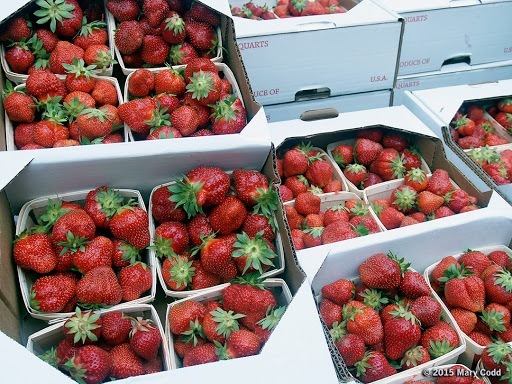
Usman Saleh, a trader in Abuja's Wuse market, had just received two trucks of fresh strawberries worth US$5,100 when he learned the government would close all businesses. The fruit is likely to be lost, he said, and the loss could end up ruining his business.
Usman Saleh, a trader in Abuja’s Wuse market, had just received two trucks of fresh strawberries worth US$5,100 when he learned the government would close all businesses. The fruit is likely to be lost, he said, and the loss could end up ruining his business. (Photo: internet reproduction)

Relief measures

Organizations representing millions of casual workers have begun to request a slice of the huge incentive packages announced.

A group of ten organizations in South Africa, representing almost five million workers, have asked the government to establish a “cash benefit” that would allow casual workers to complete quarantining without facing economic hardship.

The groups also called for large-scale distribution of masks and gloves, as well as soap and hand sanitizer in public areas with high casual labor activity.

Violence

Hundreds of Moroccans protested against the implementation of emergency measures, marching and singing religious songs the day after the blockade was implemented in Fez, Tetuan, and Tangier.

Morocco, a North African country where 60 percent of the workforce has no health insurance, has imposed strict restrictions on mobility in public areas that have emptied markets and traditionally busy streets.

“The blockade creates a difficult situation for the entire North African region because filling the street is the main feature of a significant casual economy,” said Rachid Aourraz, an economist with the MIPA think tank in Rabat.

Impact

In Colombia, the government is trying to enforce a blockade until mid-April but is facing resistance from workers who barely earn a living.

The country’s casual labor force has increased sharply in recent years with nearly two million migrants fleeing Venezuela’s economic collapse. Most have no visa, and the mass shutdown of restaurants, beauty salons, and other businesses leaves many of them penniless and under threat of eviction.

In some areas of rural Colombia, the state hardly exists, and the rules are dictated by cocaine-financed militias.

“In countries with large casual economies, a complete blockade can force a person to be closer to someone who can infect them,” said Priyanka Kishore, head of India and Southeast Asia at Oxford Economics in Singapore. “And if the blockades cannot control the spread of cases, then the blockades will continue, aggravating the economic and social crisis.”

Source: Exame

Read More from The Rio Times

The Rio Times · Power Map
See who really holds power in Latin America
Click to open the Power Map

Rotate for Best Experience

This report is optimized for landscape viewing. Rotate your phone for the full experience.