Bolivia Diesel Price Rises 14.6% to US$1.75
Bolivia has lifted its regulated diesel price again, and transport leaders are threatening action. The regulator has not published how it reached the new figure.

Economy: Bolivia
Bolivia raised the price of diesel by 14.6% on Tuesday 24 November 2026, to 20.57 bolivianos (Bs, the national currency) per litre (about US$1.75), up from Bs 17.95 (about US$1.52). The national hydrocarbons regulator ANH (Agencia Nacional de Hidrocarburos) announced the change late on Monday 23 November 2026, effective nationwide from 00:00.
Drivers’ leaders reject the new price, and a freight chief says the answer will come on the roads. The rise lands while Bolivia is in a loan programme with the International Monetary Fund (IMF), the global lender, that calls for ending fuel subsidies.
Key Facts
- What. Diesel rises 14.6% to Bs 20.57 (about US$1.75) a litre, up Bs 2.62 (about US$0.22).
- Where. Nationwide in Bolivia, a lithium and gas producer in an IMF loan programme.
- When and who. From 00:00 on Tuesday 24 November 2026, under Supreme Decree 5716; drivers’ unions reject it.
- Power Index. Bolivia ranks 13th of 14 in The Rio Times Latin America Power Index, with 27.9 points (November 2026 edition).
- As of. 24 November 2026, 18:00 GMT
Bolivia has lifted its regulated diesel price again, and transport leaders are threatening action. The regulator has not published how it reached the new figure.
President Rodrigo Paz promulgated Decree 5716 on 18 September 2026, ending the diesel subsidy and the old two-price scheme. It set one price of Bs 17.95 (about US$1.52) including taxes, tied to an international diesel benchmark in Houston plus import costs.
ANH computes a reference price every business day and changes the pump price only when that reference moves more than 5% up or down. Before September diesel cost Bs 9.80 (about US$0.83), so today’s price is about 2.1 times that level.
Decree 5741 of 5 October amended the system, and Decree 5764 of 5 November says the dollar price per litre is converted at the Central Bank of Bolivia’s average official exchange rate. Every conversion in this report uses that bank’s official rate of Bs 11.78 per US$ on 24 November 2026.
In its statement ANH said it wants to bring the domestic price in line with the import-parity price, meaning what the fuel costs to bring in. It also seeks a “technical, predictable mechanism of normal operation” and fewer “critical gaps between import cost and domestic price”.
The regulator added that the step reduces the incentive to smuggle fuel to neighbouring countries and secures domestic supply. It will inspect filling stations to check that they charge Bs 20.57 (about US$1.75).
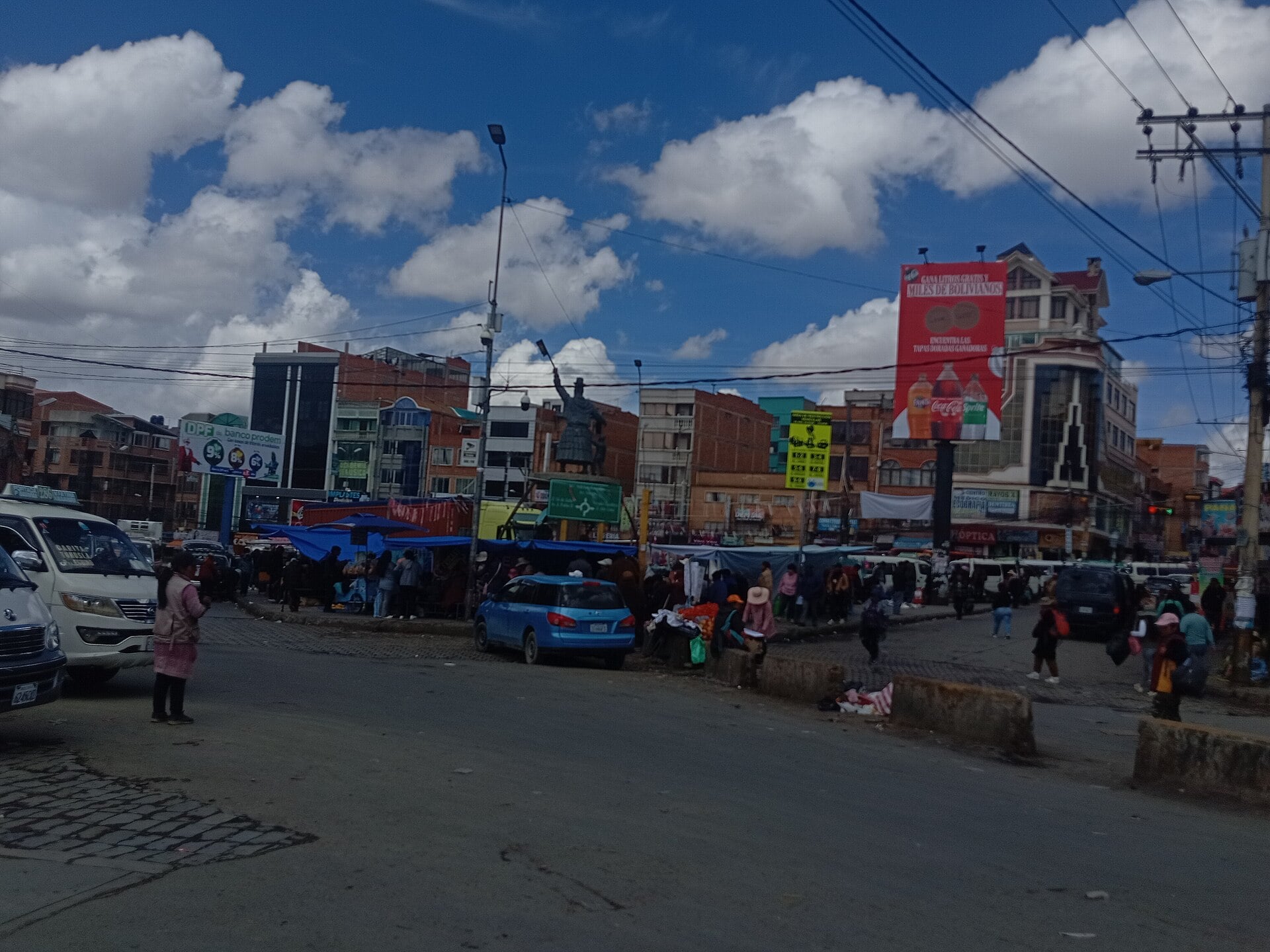
Lucio Gómez, leader of the national drivers’ union confederation of Bolivia, rejected the rise after the announcement. “It is not viable for the price to keep rising … There is total discontent in national transport,” he said, and the confederation called an emergency national assembly.
Gómez added that “no more increases can be tolerated” and warned that the rise will push up costs and hit the family food basket. The confederation says the assembly will meet on Thursday 26 November.
Álvaro Ayllón, president of the La Paz Departmental Transport Chamber, which speaks for heavy freight, said the chamber had “flatly rejected” the increase. He called it “a cost that leaves us out of the market”, noted that contracts signed up to Monday assumed the old price, and said “the response will be on the roads”.
The only government statement found is the ANH announcement, and no separate ministry statement has been located. The regulator’s statement does not show how it arrived at the new figure.
Until it publishes the calculation, readers cannot check it against the oil price. Transport groups held several strikes in September, when the price jumped 83% from Bs 9.80 to Bs 17.95, and demanded fare increases.
That jump was the first step of the subsidy removal. On 2 October 2026 the IMF board approved a 36-month Extended Fund Facility, a loan programme of about US$1.9 billion, with a first payment of about US$214 million.
The programme calls for ending fuel subsidies, according to the fund’s release PR26317 of that date. Gasoline and LPG (liquefied petroleum gas, bottled for cooking) subsidies remain for now.
ANH says other liquid fuels are unchanged. Transport strikes followed the September price rise, so freight disruption is a risk for traders and investors.
The confederation’s assembly meets on Thursday 26 November, while ANH keeps computing its reference price every business day.
Frequently Asked Questions
Why did Bolivia raise the diesel price?
The regulator says it wants the domestic price to follow the import price and to curb smuggling. Under Decree 5716 the pump price follows an international benchmark rather than a fixed subsidised level.
Who opposes the increase?
Drivers’ unions and freight operators have rejected it, and the national confederation has called an assembly for Thursday 26 November. The government has so far answered only through the regulator’s statement.
What happens to gasoline and cooking gas prices?
Their subsidies remain for now. The regulator has announced no change to them.
In depth
Sources
Agencia Nacional de Hidrocarburos (ANH) statement, 23 November 2026 · Supreme Decrees 5716, 5741 and 5764 (Bolivia) · Central Bank of Bolivia official exchange rate, 24 November 2026 · International Monetary Fund release PR26317, 2 October 2026
This article was produced by The Rio Times’ automated AI newsroom. Editorial responsibility: Matthias Camenzind, Publisher and Editor-in-Chief. The Rio Times also runs Ask Rio Times, which answers from 100,000+ of our own articles, the daily Latin America Power Map, and prediction-market odds on elections and markets.. How we use AI · Report an error