Bogotá Wins US$150 Million IDB Loan Without Nation’s Backing
Colombia · CITIES
Key Facts
- —What happened Bogotá borrowed US$150 million from the Inter-American Development Bank (IDB) with no guarantee from Colombia’s national government.
- —The scale The package includes a US$149.25 million loan Bogotá must repay, plus a US$750,000 grant it does not.
- —What it means Bogotá joined a new IDB pilot program letting Colombian cities borrow directly, skipping the usual national co-signer.
- —The catch Colombia’s finance ministry still had to approve the loan before it closed, despite offering no guarantee.
- —Who’s affected The loan pays for street repairs, waste cleanup, and property records for 520,000 Bogotá families.
- —What’s next Bogotá gets up to 14.5 years to repay the loan, including a 3.5-year grace period before payments start.
Bogotá just became the second Colombian city to borrow this way from the IDB, after Cartagena.
Bogotá has borrowed US$150 million from the Inter-American Development Bank, known as the IDB. It is only the second Colombian city to get that kind of loan without national backing.
Mayor Carlos Fernando Galán announced the deal on Thursday, September 3, 2026. The IDB’s board had approved it a day earlier.
A New Kind of Deal for a Colombian City
Colombian cities almost always need the national government to guarantee loans from banks like the IDB. That guarantee protects the lender if a city cannot pay.
This time, Bogotá borrowed on its own credit instead. The national government did not co-sign or guarantee any part of the loan.
Galán said the deal “opens the door for that new source of financing for many other cities,” according to the mayor’s office. Bogotá is the second city to join this kind of direct-lending program.
Cartagena was the first city approved under the same program, in late 2025. The initiative, known as the IDB’s Cities and Regions program, has US$1 billion to lend over five years.
How Bogotá Earned the Exception
City finance officials say Bogotá’s books made the case for skipping a national guarantee. Finance Secretary Ana María Cadena said the city’s total debt equals only about 3% of its economic output.
She called that debt load sustainable under standard fiscal indicators. Bogotá’s tax collection has also topped 100% of its targets in recent years, officials said.
Even so, Colombia’s finance ministry still had to sign off first. It gave up its guarantee role but kept a say over whether the deal could proceed.
Foreign borrowing by cities still counts as a national concern in Colombia. Skipping the guarantee did not mean skipping oversight entirely.
Streets, Parks and Drains
Part of the loan pays for urban upgrades in 80 Bogotá neighborhoods. Crews will rebuild streets and add sidewalks and lighting.
They will also expand parks across those same neighborhoods. The work includes new drainage systems built to handle heavy rain better than older pipes.
Planners will restore some green spaces to a more natural state. Officials call that process renaturalization.
IDB representative Ramiro López said the urban work would directly help households near the new parks and sidewalks. Officials estimate the full program will reach more than 520,000 families.
Updating Bogotá’s Property Records
Another share of the money will modernize Bogotá’s cadastre. A cadastre is the official registry of property boundaries and values, used to set land records and taxes.
The upgrade adds better technology and clearer geographic data to that registry. Officials say faster, more automated records should speed up routine property paperwork for residents.
Bogotá’s Trash Problem Gets Money
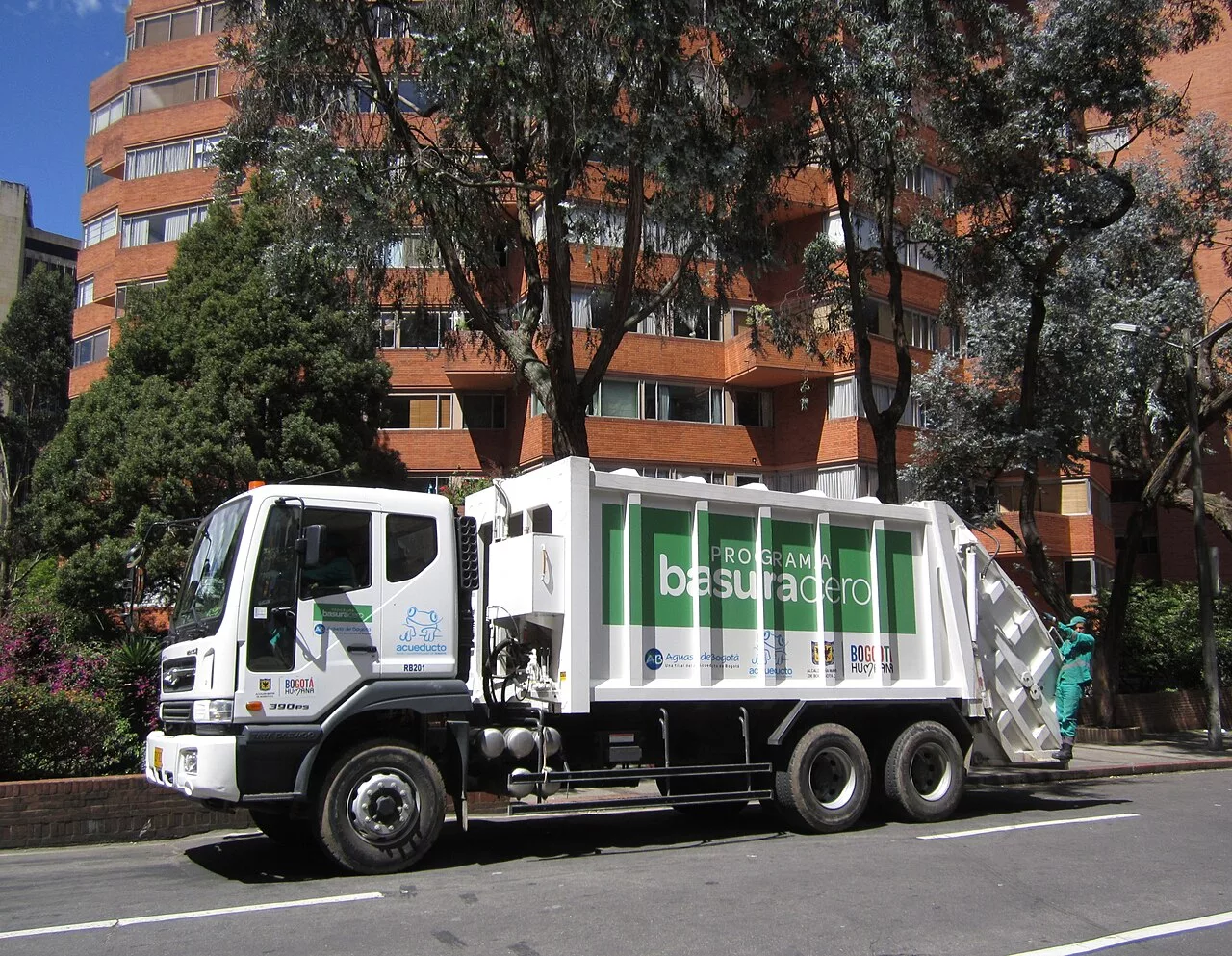
A separate piece of the loan targets illegal dumping. The city plans to clean up 100 sites where trash piles up outside the formal collection system.
Officials say the cleanup could recover more than 300,000 tons of waste from those sites. New recovery centers will help sort and reuse the material.
New monitoring tools will also track the district’s broader sanitation operations. City officials say the data should help crews spot illegal dumping sooner.
The plan also supports roughly 5,000 of Bogotá’s informal recyclers, known locally as recicladores. The city counts about 26,000 of these workers in total.
Recicladores collect and sort recyclable material by hand for a living. The loan funds better collection points and training for them.
It also pays for public campaigns teaching households how to separate their trash. Officials hope that cuts down on new illegal dump sites forming.
What Bogotá Owes and When
The full package is worth US$150 million, split into two pieces. One part is a US$149.25 million loan that Bogotá must repay.
The other part is a US$750,000 grant that Bogotá does not have to pay back. That money supports technical work tied to the program.
Bogotá has up to 14.5 years to pay off its loan. A 3.5-year grace period comes first, before any capital payments are due.
The IDB has not published the exact interest rate. It described the terms as market-based, tied to its standard lending conditions.
The broader program runs for three years. Officials say the results will shape whether other Colombian cities get the same offer.
More: Colombia news in English, every day from The Rio Times.
Frequently Asked Questions
Why doesn’t this loan need Colombia’s national guarantee?
Bogotá is the second city in a new IDB program that lets financially strong cities borrow without a national guarantee. Colombia’s finance ministry still had to approve the deal before it could close.
What will the money fund?
Part of it pays for street, park, and drainage upgrades in 80 Bogotá neighborhoods. Another share funds cleanup of 100 illegal dumping sites and updates to the city’s cadastre, its property registry.
How long does Bogotá have to repay the loan?
Bogotá has up to 14.5 years to repay, including a 3.5-year grace period before payments start. The IDB has not disclosed the exact interest rate.
Who are the recicladores mentioned in the plan?
Recicladores are Bogotá’s informal recyclers, who collect and sort recyclable trash by hand. The loan funds better collection points and training for roughly 5,000 of them.
Could other Colombian cities get loans like this?
Mayor Galán said the deal opens a path for other cities in Colombia and Latin America to borrow the same way. The IDB has not named which city might follow Bogotá.
Sources: El Tiempo, El Espectador, Valora Analitik, El Nuevo Siglo, La FM, Alcaldía de Bogotá (bogota.gov.co), and Radio Santa Fe.
This article was produced by The Rio Times’ automated newsroom system. How we use AI · Report an error · Editorial responsibility: Matthias Camenzind, Editor-in-Chief
Living in or visiting Bogotá? See this month's events and our Bogotá city guide with rents, safety and upcoming concerts.