Best Places to Live in Latin America: The 2026 Expat City Guide
Latin America · Expat City Guides
Key Facts
- Cheapest comfortable bases. Mérida, Oaxaca and Medellín — solid expat lives from about US$1,100 to US$1,800 a month.
- Easiest visas. Uruguay’s remote-worker permit has no income floor at all; Colombia’s nomad visa needs about US$1,400 a month.
- Safest tier. Argentina, Chile and Uruguay share the US Level 1 advisory; Mérida is the safest big city in Mexico.
- Top-ranked for nomads. São Paulo placed #3 in the world in 2026; Florianópolis is the #7 fastest-growing remote-work hub.
- The full series. Thirteen city guides, all linked below — each with costs, neighbourhoods, visas and safety.
Where should you actually live in Latin America? After building detailed 2026 guides to thirteen of the region’s expat and digital-nomad hubs, here is the honest map: the best places to live in Latin America, matched to budgets, priorities and temperaments — with every city guide linked for the deep dive.
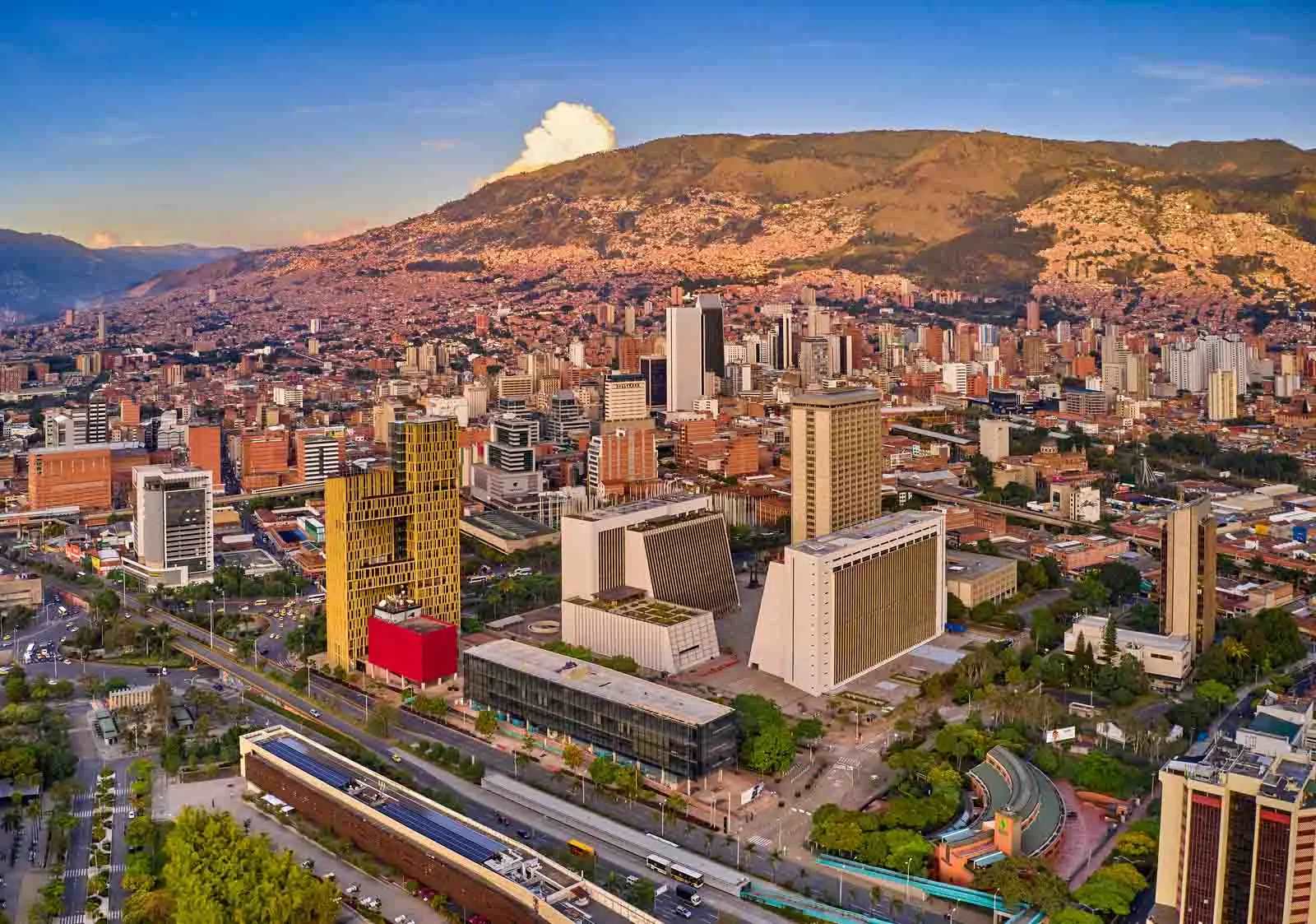
If budget leads: Mérida, Oaxaca, Medellín
The best cost-to-quality plays in the region. Mérida pairs Mexico’s safest streets with comfortable living from US$1,100 a month; Oaxaca adds the country’s deepest food culture at US$400 to US$750 rents; and Medellín delivers eternal spring and a US$1,400-a-month nomad visa.
If you want the big-city career: Mexico City, São Paulo, Bogotá
Mexico City is the region’s expat capital — Roma, Condesa and a food scene to match anywhere. São Paulo, ranked #3 worldwide for nomads in 2026, is where Latin America does business.
Bogotá is the professional’s Colombia: cooler, bigger, more serious than its famous rival.
If the beach is non-negotiable: Rio, Playa del Carmen, Florianópolis
Rio de Janeiro is the world’s most beautiful big-city posting; Playa del Carmen puts a 15,000-strong foreign community on Caribbean sand; and Florianópolis — the #7 fastest-growing remote-work hub on earth — is the work-from-paradise pick.
If stability is the product: Montevideo, Santiago, Buenos Aires
The Southern Cone trio shares the region’s safest tier. Montevideo adds the easiest residency and a tax holiday; Santiago brings the continent’s best infrastructure and the Andes; and Buenos Aires remains the great European city of the south — now at honest post-blue-dollar prices.
The wildcards: Lima
Lima is the underrated one: the food capital of the Americas, surf cliffs in the city, and costs below every Pacific rival — for those who bring street wisdom and don’t mind grey winter skies.
How to choose
Three questions sort most people. First, budget: under US$1,500 a month points to Mérida, Oaxaca, Medellín or Lima; over US$2,500 opens every door.
Second, visa reality: Uruguay is the easiest door, Colombia and Brazil sit at about US$1,400 to US$1,500 a month, Mexico’s bar is higher, and Argentina rewards passive income. Third, temperament: energy says Mexico City, Rio or São Paulo; calm says Montevideo, Mérida or Santiago; community says Medellín, Playa or Floripa.
Then test before you commit — a month in town beats a year of research, and every guide above tells you exactly what that month will cost.
More: Latin America news in English, every day from The Rio Times.
Frequently Asked Questions
What is the cheapest good place to live in Latin America?
Mérida and Oaxaca lead: comfortable expat lives from about US$1,100 to US$1,800 a month, with Medellín close behind and Lima the Pacific-coast value play.
Which country has the easiest visa for remote workers?
Uruguay (a cheap remote-worker permit with no fixed income floor) is the easiest door; Colombia’s nomad visa needs about US$1,400 a month and Brazil’s VITEM XIV US$1,500.
Where is it safest?
Argentina, Chile and Uruguay hold the US Level 1 advisory — the safest tier. Within Mexico, Mérida and Oaxaca stand out; in Brazil, Florianópolis.
Which city is best for digital nomads overall?
By the 2026 rankings, São Paulo (#3 worldwide) and fast-rising Florianópolis lead, with Mexico City, Medellín and Buenos Aires the established favourites — the right answer depends on your budget and pace.
This article was produced by The Rio Times’ automated newsroom system. How we use AI · Report an error · Editorial responsibility: Matthias Camenzind, Editor-in-Chief