Living in Montevideo: The 2026 Expat Guide

Uruguay · Expat City Guide
Key Facts
- Budget. A comfortable single life starts around US$1,500 to US$2,200 a month; a generous Pocitos lifestyle runs US$2,600 and up.
- Housing. One-bedrooms in Pocitos, Punta Carretas or Buceo cost US$600 to US$1,000; Ciudad Vieja runs US$600 to US$900.
- Visa. The remote-worker permit costs roughly US$10 to US$20, has no fixed income minimum, and fast-tracks residency.
- Taxes. A 10-year foreign-income tax holiday is still on offer — but a new 12 percent tax on some foreign income starts collection in July 2026 for those who don’t elect it.
- Safety. US Level 1 — with Chile and Argentina, the safest tier in the region.
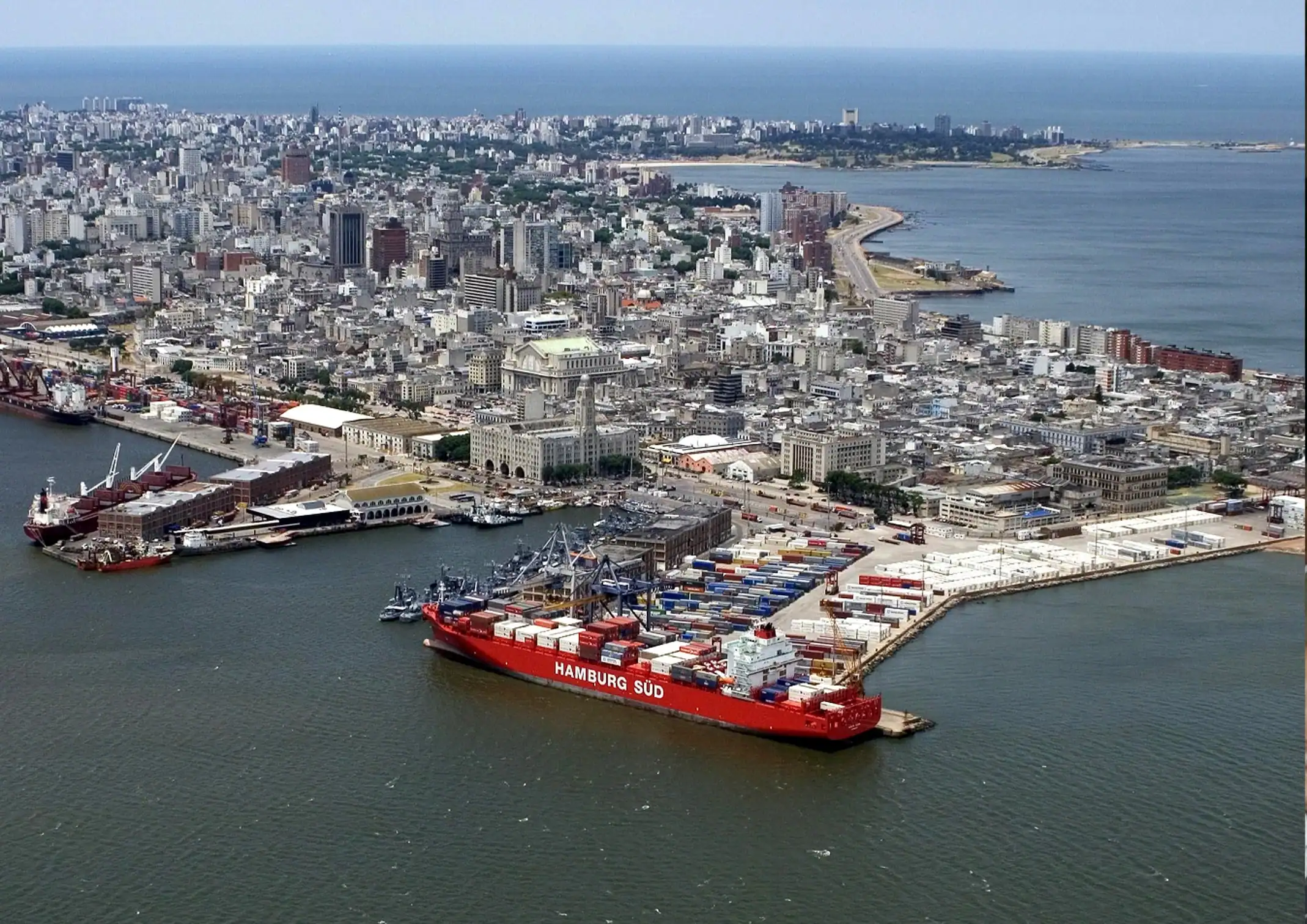
Montevideo is the region’s calm capital: a coastal city of beach promenades, stable politics, strong institutions and a famously relaxed pace. Uruguay’s easy residency and friendly tax regime have produced a quiet relocation surge — Americans and Brazilians above all — and the capital absorbs them without losing its mate-sipping character. Here is what you need to know about living in Montevideo as an expat in 2026.
Cost of living in Montevideo
Uruguay is the Southern Cone’s expensive-but-worth-it option. A comfortable single budget starts around US$1,500 to US$2,200 a month, and a generous lifestyle in the best coastal neighbourhoods — eating out freely, a newer apartment — runs 110,000 to 160,000 Uruguayan pesos ($2,600 to $3,800).
Imported goods and electronics cost more than in neighbouring countries, while services, healthcare and public transport stay reasonable. The peso trades near 40 to the US dollar.
Where to live: the best neighbourhoods
The coastal strip is the expat spine. Pocitos is the default — beachfront, walkable, café-rich — with one-bedrooms at US$600 to US$1,000.
Punta Carretas is slightly more polished, Buceo and Malvín more residential, and leafy Carrasco the upscale family quarter near the airport. Parque Rodó offers value near the park and university, while the historic Ciudad Vieja (studios US$600 to US$900) trades polish for character and the city’s best dining lanes.
Digital nomads also use colivings, with rooms at US$500 to US$1,000 including workspace.
Visas, residency and the tax question
Uruguay remains one of the easiest places in the Americas to put down legal roots. The remote-worker permit costs about US$10 to US$20, requires no fixed minimum income — just proof of solvency and remote work — and leads quickly into residency.
The tax picture is the 2026 story: newcomers can still elect a 10-year tax holiday on foreign income (or a flat reduced rate), but a new 12 percent levy on certain foreign earnings begins collection in July 2026 for new tax residents who don’t make that election. The rules are navigable but worth professional advice before you land.
Safety
Uruguay shares the US Level 1 advisory with Chile and Argentina — the region’s safest tier — and Montevideo feels it: children walk to school, the Rambla fills with runners at dusk, and the main cautions are pickpocketing in Ciudad Vieja and keeping an eye on your phone downtown. For many relocators, this everyday calm is the product they are buying.
The lifestyle: la Rambla and the long weekend
Life organises itself around the Rambla, 22 kilometres of coastal promenade, and around mate, the shared ritual that sets the city’s tempo. The food scene leans parrilla and tannat wine, with Ciudad Vieja’s Mercado del Puerto the classic Sunday outing.
Punta del Este’s beaches are two hours away, Colonia’s cobblestones 90 minutes, and Buenos Aires a ferry ride across the river. The trade-off: winters are grey and windy, nightlife is modest by Buenos Aires standards, and the city rewards those who like their excitement gentle.
Who Montevideo suits
Choose Montevideo for stability, legality and quality of life: easy residency, a real rule of law, clean beaches in the city, and a society that works. It suits remote workers with established incomes, families, and anyone playing a longer game — citizenship here is among the more attainable in the region.
It will frustrate those chasing big-city buzz or rock-bottom budgets.
More: Latin America news in English, every day from The Rio Times.
Frequently Asked Questions
How much does it cost to live in Montevideo?
A comfortable single budget starts at US$1,500 to US$2,200 a month; a generous coastal-neighbourhood lifestyle runs US$2,600 to US$3,800. One-bedrooms in Pocitos or Punta Carretas cost US$600 to US$1,000.
How does the remote-worker visa work?
It costs roughly US$10 to US$20, has no fixed minimum income — you show solvency and proof of remote work — and feeds into Uruguay’s fast residency track.
What is the new 12 percent tax?
From July 2026, Uruguay begins collecting a 12 percent tax on certain foreign income of new tax residents — unless you elect the existing 10-year foreign-income tax holiday (or a reduced flat rate) instead. Get professional advice before establishing tax residency.
Is Montevideo safe?
Yes — Uruguay holds a US Level 1 advisory, the region’s safest tier. Take normal care with phones and pockets in Ciudad Vieja and downtown.
Which neighbourhood should I pick?
Pocitos for the classic beachfront expat life, Punta Carretas for polish, Buceo and Malvín for quieter value, Carrasco for families, Parque Rodó for budget-friendly charm, and Ciudad Vieja for history and dining.
This article was produced by The Rio Times’ automated newsroom system. How we use AI · Report an error · Editorial responsibility: Matthias Camenzind, Editor-in-Chief
The Montevideo Guide
What The Rio Times publishes for foreigners in Montevideo, Uruguay.
This month
Coming up in Montevideo
- La Delio Valdez in Montevideo, Uruguay: Argentine Cumbia Orchestra Plays Teatro de Verano on 24 October 24 Oct
- Cazzu in Montevideo, Uruguay: Argentina's Trap Star Brings 'Latinaje' to Antel Arena on October 24, 2026 24 Oct
- Camilo in Montevideo, Uruguay: Colombia's Pop Star at the Antel Arena on October 28, 2026 28 Oct
- Antel Campus Party Hits Montevideo, Uruguay 30–31 Oct 30 Oct
Living in Montevideo
- Cost of Living Punta del Este 2026: Half Again Above Montevideo
- Candlelight Montevideo: The Season, the Prices and the Missing Vivaldi Date
- Orsi Government Faces Expats Tracking Cost of Living Montevideo Above US$2,000
- Cost of Living in Montevideo: A Real Budget
Understand Uruguay