Living in Lima Costs US$1,300 to US$1,600 a Month
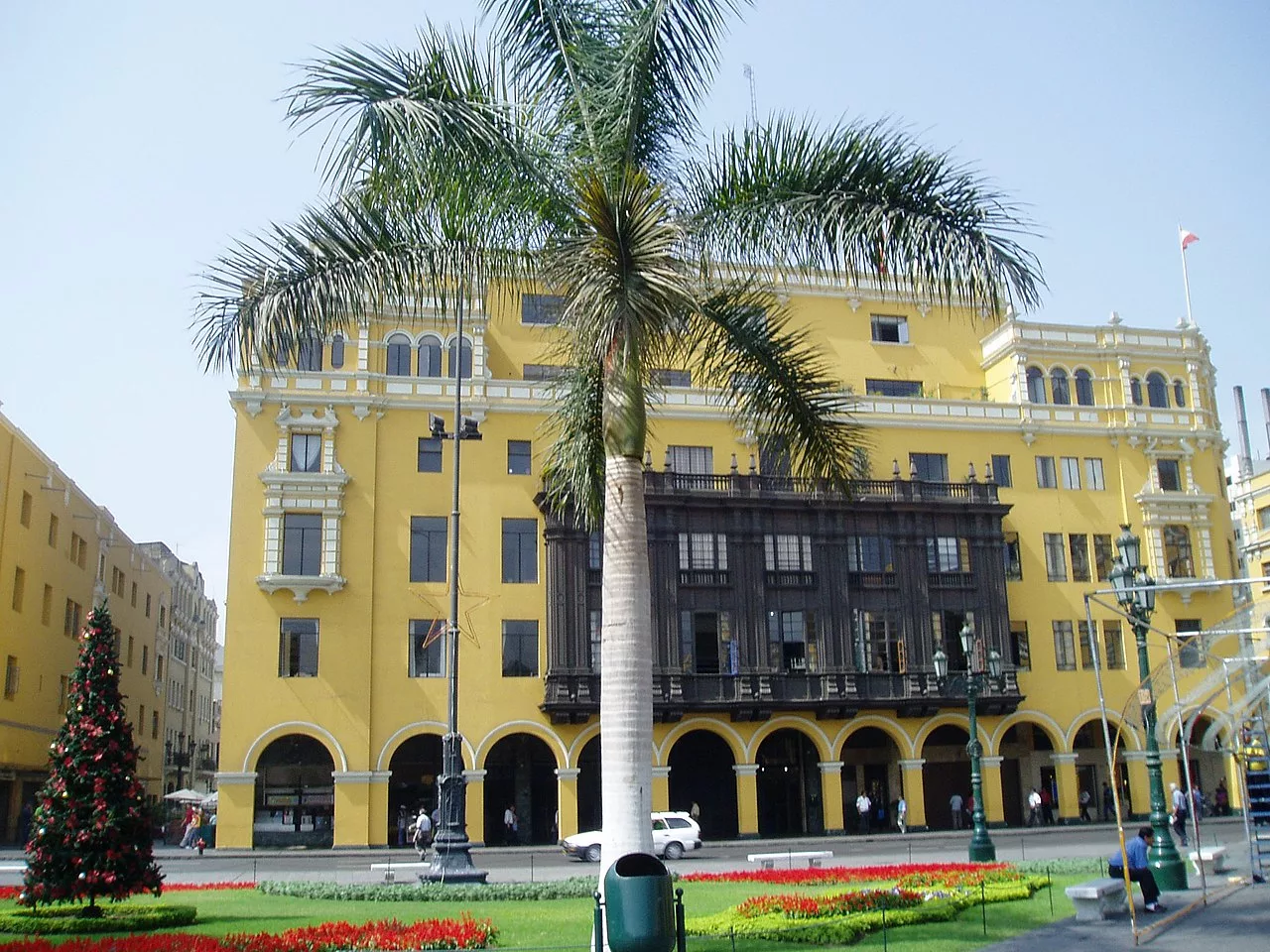
Peru · Expat City Guide
Updated 1 time · Latest: 12 October 2026
Key Facts
- Budget. A comfortable life in a good district runs US$1,300 to US$1,600 a month; sharing or cheaper areas bring it to US$800 to US$1,200.
- Housing. A modern one-bedroom costs US$900 to US$1,400 in Miraflores or San Isidro, and from US$600 in Barranco.
- The city. Greater Lima holds about 10.4 million people, roughly three in ten Peruvians.
- Safety. Street-smart city: phone snatching and taxi scams are the real risks, so use ride apps and keep devices put away.
- Stay. Tourists can stay up to 183 days in 12 months; the rentista residence visa needs US$1,000 in net permanent monthly income.
- Flights. United ends its Newark to Lima nonstop on 27 March 2027 and adds a second daily Houston flight.
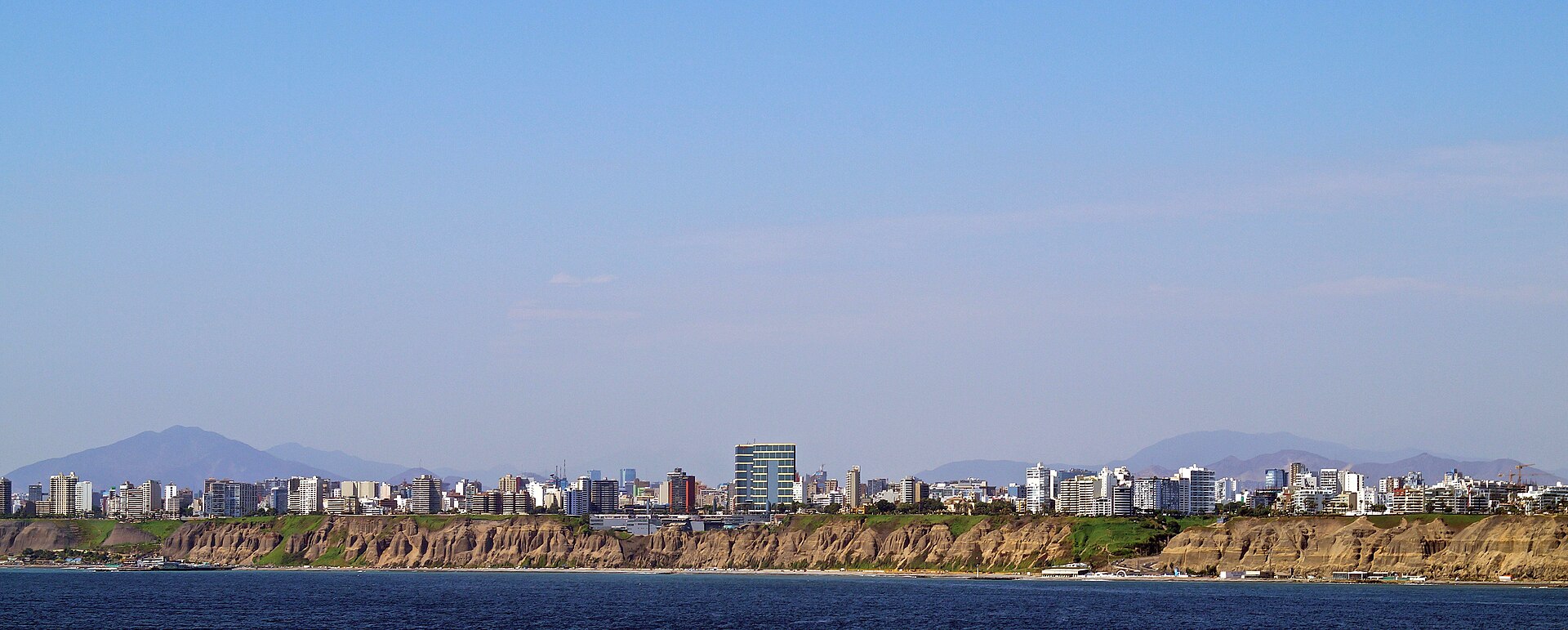
A comfortable life in Lima costs US$1,300 to US$1,600 a month, with one-bedrooms from US$600 in Barranco. The city has a clifftop coastline, a serious restaurant scene and the densest café and coworking life in Miraflores, but it asks for more street wisdom than the polished hubs and its winter skies are grey. Here is what you need to know about living in Lima as an expat in 2026, with the visa rules and flight changes that matter for readers in the United States.
Cost of living in Lima
A comfortable single setup in a desirable district (a furnished one-bedroom, eating out and coworking) runs US$1,300 to US$1,600 a month; sharing an apartment or choosing a quieter district drops it to US$800 to US$1,200.
The famous menú lunch (three courses at a neighbourhood spot) remains the budget option, and the sol trades at about S/3.44 per US$ (EODHD, 12 October 2026), so US$1,000 is roughly S/3,440.
Where to live: the best neighbourhoods
Miraflores is the expat default: cliff-top parks, the malecón boardwalk, the densest café and coworking scene, with modern one-bedrooms at US$900 to US$1,400. Barranco, the bohemian quarter next door, trades polish for murals, galleries and nightlife, with one-bedrooms from US$600 to US$900.
San Isidro is the leafy financial district for those who want quiet and embassies. Residential San Borja, Surco and La Molina suit families.
Internet quality is building-by-building, so test it before you sign. For the wider picture, see our Peru population explainer and the Peru news hub.
Visas and residency
Peru allows tourists to stay up to 183 days in a 12-month period, without extension, and the border officer stamps the number of days granted. US citizens need no tourist visa, but the number of days granted at the desk can be shorter than the maximum, so check your stamp.
For residency, the rentista visa requires proof of US$1,000 in net permanent monthly income from a pension or other stable source, a sworn statement that the money enters Peru through a bank supervised by the SBS (the banking regulator), and a clean record. Migraciones, the immigration agency, requires applicants to be outside the country when the status is granted, and the status gives indefinite stay without the right to work.
Peru has no dedicated digital nomad visa you can apply for today, so long-stayers choose between tourist time and a residency category through Migraciones. Rules have been revised more than once, so check the current requirements on the official gob.pe rentista page before you file.
Safety
Lima asks for the most situational awareness of the major hubs. The realistic risks are opportunistic: phone snatching on the street, unregistered-taxi robberies, and a wave of extortion pressure that has mostly targeted local businesses and transport operators rather than foreigners (see our report on Lima’s extortion crisis).
The expat districts (Miraflores, San Isidro, Barranco’s main streets and San Borja) are well-patrolled and fine day-to-day. Use ride apps rather than street taxis, keep the phone out of sight, and be alert after dark off the main streets.
Food: why Lima is called the food capital of the Americas
Lima is often called the food capital of the Americas. The everyday layer is as good as the fine dining: cevicherías at lunch (never dinner, since limeños eat ceviche fresh), anticuchos from street grills, chifa (Peruvian-Chinese) on every corner, and a pisco-sour culture that turns evenings social.
Many expats say the food alone justifies the posting.
Climate and rhythm
Lima’s quirk is the garúa, the grey coastal mist that caps winter skies from June to October without ever quite raining. Summers (December to March) are bright, beachy and humid.
The city is huge and traffic is real, so most expats build their life within one or two districts and let the malecón, the cliff-top promenade connecting Miraflores to Barranco, serve as gym, commute and sunset ritual in one.
What it means for you
For a reader in the United States, Lima is a budget in dollars, a visa question and a flight. The ranges above are Rio Times estimates in US$ for a single person, not official statistics, and rents change by building and season.
United ends its Newark to Lima nonstop on Saturday, 27 March 2027 and, the same day, raises Houston to Lima from one to two daily flights. If you plan a long spring 2027 stay, price Houston routings first and book early.
Stays beyond six months mean choosing between serial tourist entries and the rentista visa, which suits retirees and remote workers with a documented pension or other permanent income. Remote workers paid by an employer, rather than from a pension or permanent income, should confirm with Migraciones whether the category fits.
What is not known
No official source publishes a single cost-of-living figure for expats in Lima, so the budgets here are Rio Times estimates given as ranges.
More: Latin America news in English, every day from The Rio Times.
Frequently Asked Questions
How much does it cost to live in Lima?
A comfortable single budget in a good district is US$1,300 to US$1,600 a month; sharing or cheaper districts bring it to US$800 to US$1,200. Modern one-bedrooms run US$900 to US$1,400 in Miraflores and from US$600 in Barranco.
Is Lima safe for expats?
It requires street smarts more than fear: the realistic risks are phone snatching and unregistered-taxi scams. Stick to ride apps, keep devices put away, and the expat districts are comfortable day-to-day.
Which neighbourhood should I choose?
Miraflores for the full expat infrastructure, Barranco for bohemian character and nightlife, San Isidro for quiet polish, and San Borja, Surco or La Molina for family living.
What visa do I need?
Tourists can stay up to 183 days in 12 months without extension. The rentista visa, which needs US$1,000 in net permanent monthly income, is the main residency route; there is no dedicated digital nomad visa yet.
When is the best weather?
December to March brings bright, humid summer. June to October is the garúa season, with grey, cool coastal mist that rarely becomes rain. Many expats schedule Andes or jungle trips in the grey months.
Do Americans need a visa to visit Lima?
No. US citizens need no tourist visa, and Peru allows tourist stays of up to 183 days in 12 months, with the border officer setting the days granted. Residency requires a separate category such as the rentista visa.
Connected Coverage
Sources: Migraciones (gob.pe rentista residence and tourist-stay rules); INEI population projection via Andina; United Airlines schedule change as reported by The Points Guy and NBC New York; EODHD (exchange rate).
This article was produced by The Rio Times’ automated newsroom system. How we use AI · Report an error · Editorial responsibility: Matthias Camenzind, Editor-in-Chief
The Lima Guide
What The Rio Times publishes for foreigners in Lima, Peru.
This month
Coming up in Lima
- Ivy Queen Brings Pride Tour to Lima's Círculo Militar on 24 October 24 Oct
- Blessd Lima 2026: Peru Show at Arena 1 on 29 October Awaits Venue Reopening 29 Oct
- Hombres G in Lima, Peru: Two Nights of Spanish Pop-Rock at the Estadio Nacional, October 29–30, 2026 29 Oct
- Reggaeton Lima Festival 7 With Anuel AA on 31 October 31 Oct
Living in Lima
- Lima Rent for Foreigners in 2026 Averages US$979 a Month
- Cost of Living in Peru 2026, Monthly Budgets Lima to Cusco
- Cost of Living Arequipa Peru 2026: Less Than Half of Lima
- Investing in Peru as a Foreigner — What the Lima Market, the Mines and the Tax Rules Allow
Understand Peru