LatAm Expat & Nomad Daily Guide for Wednesday, June 3, 2026
Latin America · Expat & Nomad Intelligence
Key Points
- Chile opens an exit door. President Kast signed the “Plan Retorno” decree (June 1): people living in Chile without papers get 180 days to leave with no fine or re-entry ban, plus a faster legal return for those with family or work ties.
- Lima’s strike is off. The threatened nationwide transport strike was called off on June 2 after a fuel-subsidy deal — buses and intercity routes are running normally.
- Mexico City’s World Cup housing crunch. With kickoff on June 11, the city’s short-term-rental registry and rent caps are stuck in court while some landlords end leases early to chase tourist money.
- The Riviera Maya is under pressure. Playa del Carmen faces record seaweed (the navy is adding 300 cleaners) and repeated power blackouts that have sparked protests.
- Uruguay keeps drawing newcomers. American arrivals doubled in 2025 and Brazilian residency requests jumped 47%, even as a new 12% tax on foreign income nears.
- Watch out for online “nomad rule” myths. Brazilian immigration lawyers warn that most “2026 digital-nomad visa changes” circulating online are simply invented.
Welcome to your LatAm expat and nomad guide for Wednesday, June 3, 2026. Today’s big shifts are all about movement — who gets to stay, who is being asked to leave, and where the welcome is starting to wear thin.
Chile has signed a decree giving people without papers a no-penalty way out, Lima’s threatened transport strike was called off overnight, and Mexico City heads into the World Cup with its housing protections tied up in court.
Here is what matters today — first what changed overnight, then the running stories we are tracking, then the full picture city by city.
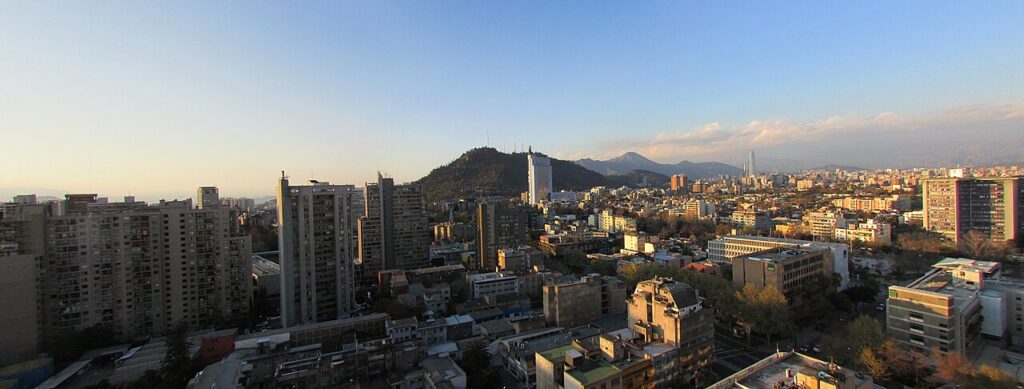
What changed since yesterday
- Lima — resolved. The transport strike that loomed on June 2 was called off after the government granted a per-kilometre fuel subsidy. No disruption for travellers.
- Chile — new. The “Plan Retorno” decree was signed June 1, opening a 180-day window for irregular migrants to leave without penalty.
- Mexico — building. The new visa rules that took effect in mid-May are now paired with a stalled rental registry just as World Cup demand drives evictions.
- Playa del Carmen — building. The navy added 300 staff to the seaweed cleanup, and power blackouts triggered roadblock protests.
▦ Story Tracker ONGOING
| Story | Place | Status | Latest |
|---|---|---|---|
| Plan Retorno migrant decree | Chile | New | Signed June 1; 180-day window to leave |
| Transport strike | Lima | Resolved | Called off June 2 via fuel subsidy |
| World Cup housing squeeze | Mexico City | Building | Rental registry stalled in court |
| Seaweed + power blackouts | Playa del Carmen | Building | Navy +300; blackout protests |
| Tourist-entry crackdown | Medellín | Ongoing | 60+ entry refusals in 2026 (full story) |
| 12% tax on foreign income | Uruguay | Ongoing | Collection starts July (full story) |
| End of the cheap-dollar deal | Buenos Aires | Ongoing | Rates converged; coffee now ~US$5 |
01 Visas & Residency LAWS
| Country | What’s happening |
|---|---|
| Chile | New “Plan Retorno” decree (June 1) lets people without papers leave within 180 days with no fine or ban, and return legally faster if they have family or work ties. Three further bills tightening illegal entry are moving fast. |
| Mexico | New visa rules in force since mid-May add a “highly specialised talent” route and demand more detailed employer paperwork — on top of January’s doubled fees and a push to make all residents hold a tax ID. |
| Colombia | Visa income requirements rose with a 23% minimum-wage jump (digital-nomad/retiree visas now need about US$1,380 a month), and older resident visas must be switched to the new format by October 31. |
| Argentina | The 2025 immigration decree is being actively enforced — passport checks, entry refusals for criminal records or false declarations, and 90-day temporary permits. |
| Brazil | The digital-nomad visa is unchanged (US$1,500/month or US$18,000 savings) with a 90-day grace period to switch from a tourist stay. Lawyers warn most “new 2026 nomad rules” online are invented. |
| Peru | The promised digital-nomad visa still isn’t running, so remote workers rely on tourist stays; from June 1 you can get a walk-in electronic passport with no online appointment. |
| Uruguay | A bill would make the “residence by ties” route permanent law. The 180-day nomad permit and the multi-year foreign-income tax break remain the headline draws — but the new 12% tax on foreign income is coming. |
02 Cost of Living & Money MONEY
| City | Comfortable monthly budget | What’s changing |
|---|---|---|
| Buenos Aires | US$1,500–2,200 | The cheap-dollar deal is over — exchange rates have converged at about 1,440 pesos to the dollar and a flat white now costs about US$5. |
| Montevideo | Most expensive in region | South America’s priciest city, with dollar-quoted rents — yet US and Brazilian arrivals keep rising. |
| Santiago | US$2,000–2,700 | Rent tracks inflation and eats 50–60% of a budget; winter smog and heating are seasonal pain points. |
| Medellín | US$1,800–2,800 | Now Colombia’s most expensive city to rent in — no longer the bargain it was. |
| Lima | ~US$900 average rent | Barranco and San Isidro are priciest (about US$1,120–1,150/month); rents up 4% so far this year. |
| Florianópolis | about US$1,150 | Booming nomad hub, but with Brazil’s most expensive bus fare and a steep grocery basket. |
03 What’s On Across Latin America EVENTS
Global Citizen Live: Rio — Botafogo beach · Sat June 6 · free (ticketed). Lauryn Hill, Wyclef Jean and Ludmilla close Rio’s first Nature & Climate Week.
“O Maior Encontro do Samba” — Rio (Maracanã) June 6 and São Paulo (Allianz Parque) June 20. Zeca Pagodinho, Alcione and Jorge Aragão share a stage for the first time.
São Paulo Pride — Avenida Paulista · June 7. One of the world’s biggest, in its 30th year.
Yerba Mate World Championship — Buenos Aires · June 5–7, the first edition, judging mate “like wine.”
Free in Santiago — a Joe Vasconcellos open-air concert for Providencia’s anniversary, Saturday June 6.
04 Art & Culture CULTURE
“Vik Muniz — A olho nu” — Rio · CCBB · free. The artist’s biggest career retrospective, 200-plus works.
“Katabasis” — Bogotá · opens June 4, free. The winner of Colombia’s top art prize traces the city’s buried rivers.
“Alegría Alegría” — Santiago · the Museo de la Memoria’s first show on sexual and gender dissidence under the dictatorship.
NODO gallery weekend — Buenos Aires · June 4–6, 68 galleries open across the city with free activities.
05 Food & Coffee FOOD
Mérida’s Michelin moment — Huniik earns a star and a second local restaurant wins a young-chef award, putting the city on the global food map.
Juan Valdez goes flagship — Bogotá gets the chain’s largest store worldwide, on Parque de la 93.
Lasai moves to Ipanema — Rio’s two-Michelin-star restaurant will anchor the new Sofitel on Ipanema beach.
Coworking coffee in Santiago — Starbucks opens its first Latin American “Smart Lounge,” with reservable workspaces, downtown.
Alfajor fair — Montevideo hosts its international alfajor fair June 5–7, with 70-plus brands.
06 Community & Safety EXPAT LIFE
Lima · Relief — The threatened transport strike was called off, so getting around the city is back to normal.
Playa del Carmen · Caution — Record seaweed and repeated power cuts are testing the Riviera Maya just as World Cup visitors arrive.
Mexico City · Caution — Frustration over rising rents is sharp, with landlords ending leases early to cash in on the tournament.
Montevideo · Trend — Newcomers keep arriving: US residencies doubled last year and Brazilian requests are up 47%.
07 Looking Ahead COMING UP
This week: NODO galleries, Buenos Aires (June 4–6) · Global Citizen Live and the samba show, Rio (June 6) · World Cup opening match, Mexico City (June 11).
This month: São Paulo Pride (June 7) · Mérida Pride (June 6) · Medellín Pride (June 26–29) · São João Floripa (June 12–14).
Mark your calendar: Oaxaca’s Guelaguetza (July 20 & 27, first tickets sold out in an hour) · Uruguay’s new tax on foreign income starts (July) · Colombia’s deadline to switch older resident visas (October 31).
More: Latin America news in English, every day from The Rio Times.
Frequently Asked Questions
What is Chile’s “Plan Retorno”?
It is a decree signed on June 1, 2026, that gives people living in Chile without legal papers 180 days to leave the country voluntarily, without a fine or a ban on returning. Those with family ties or a record of work and pension contributions get a faster path back in legally. The government estimates 250,000 or more people are affected, and it is moving three further bills to toughen the rules on illegal entry.
Is it safe to travel around Lima right now?
Yes. A nationwide transport strike had been called for June 2 over a wave of extortion-related killings, but it was called off after the government agreed a per-kilometre fuel subsidy for operators. Buses and intercity routes are running normally, though the underlying cost pressures could resurface later.
What changed for Mexico City ahead of the World Cup?
With the tournament opening on June 11, the city’s short-term-rental registry and rent caps remain stuck in legal challenges, so they are not really being enforced. At the same time, demand for tourist rentals is pushing some landlords to end leases early, which has intensified worries about evictions and rising rents.
Are the “new 2026 Brazil nomad visa rules” online real?
Mostly not. Brazilian immigration lawyers went public to warn that many “2026 changes” circulating online are invented. The real picture is steady: the digital-nomad visa still asks for about US$1,500 a month or US$18,000 in savings, with a 90-day grace period to switch from a tourist stay. Always check an official source or a qualified lawyer.
This article was produced by The Rio Times’ automated newsroom system. How we use AI · Report an error · Editorial responsibility: Matthias Camenzind, Editor-in-Chief
Expat Guide to Brazil
What The Rio Times publishes for foreigners who live in or move to Brazil.
Start here
- Do US Citizens Need a Visa for Brazil? Yes, US$80.90 E-Visa
- Brazil Education and Healthcare Explained
- Brazil Security and Crime Explained 2026
- Brazil Rent and Power Bills After 4.58% Inflation
City guides
Rio de Janeiro, São Paulo, Florianópolis, Salvador, Belo Horizonte, Curitiba, Porto Alegre, Brasília
Coming up in Brazil
- Copa Sudamericana Semi-Final Return Legs: Times and US TV 20 Oct
- Pussycat Dolls in São Paulo, Brazil: Reunion Show at Nubank Parque on October 20, 2026 20 Oct
- What to Do in Porto Alegre in October 2026 21 Oct
- Brazil Runoff Date and Results Time: 25 October, 4 p.m. ET 25 Oct
Understand Brazil