Living in Mexico City: The 2026 Expat Guide
Mexico · Expat City Guide
Key Facts
- Budget. A single expat lives comfortably on about US$1,800 to US$3,500 a month; many digital nomads manage on US$1,600 to US$2,400.
- Housing. A one-bedroom runs roughly US$800 to US$1,500 in Roma Norte, US$900 to US$1,800 in Condesa, and from US$600 in Juárez.
- Where to live. Roma Norte, Condesa, Juárez, Polanco, Coyoacán and Del Valle are the established expat neighbourhoods.
- Safety. The US lists Mexico City at Level 2 (the same as France or Spain); the central neighbourhoods are safe, with normal big-city care.
- Hot topic. Rents in Roma and Condesa are up 20 to 30 percent since 2020, fuelling an anti-gentrification debate.
Mexico City is the region’s biggest and most magnetic expat capital — a vast, high-altitude metropolis of world-class food, deep culture, and a remote-work scene that has exploded since 2020. It rewards newcomers with energy and variety, but the surge of foreign arrivals has also pushed up rents and sharpened a local debate about gentrification. Here is what you need to know about living in Mexico City as an expat in 2026.
Cost of living in Mexico City
Mexico City is no longer the bargain it once was, but it is still good value for a world capital. A single person lives comfortably on about US$1,800 to US$3,500 a month depending on neighbourhood and lifestyle, while budget-minded nomads manage on US$1,600 to US$2,400.
Beyond rent, expect roughly US$80 to US$150 for utilities, US$250 to US$400 for groceries, and US$200 to US$500 if you eat out often. Getting around leans on Uber and the metro, which keeps transport cheap at around US$40 to US$120 a month.
The peso sits near 17.3 to the US dollar in mid-2026.
Where to live: the best neighbourhoods
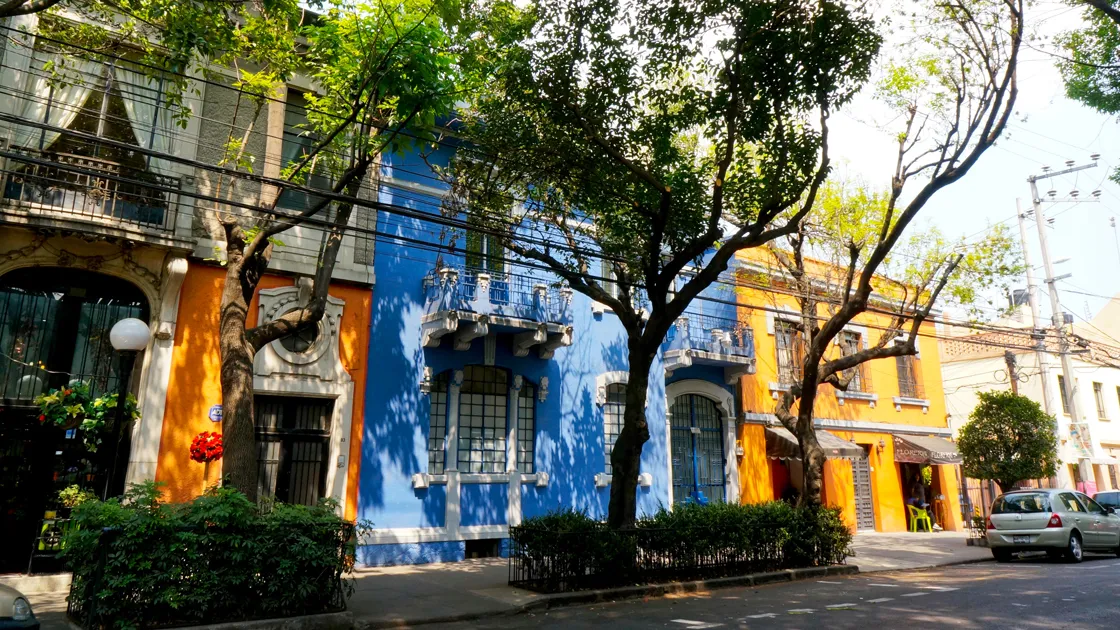
Roma Norte is the default first stop — walkable, tree-lined, packed with cafés, coworking spaces and a large expat community, though its bar streets get loud from Thursday to Saturday. Condesa, next door, is greener and calmer, built around Parque México and beloved by couples and dog owners.
Juárez is more central and noticeably cheaper, while Polanco is the upscale, embassy-and-luxury-mall district. For a quieter, more residential and more affordable feel, expats increasingly look to Del Valle, Coyoacán and San Ángel.
Visas and residency
Most long-stay expats apply for Mexican Temporary Residency, which is renewable and leads to permanent residency. You qualify mainly by proving financial solvency at a Mexican consulate in your home country — generally about US$4,400 a month in income over six months, or roughly US$72,000 in savings over a year.
The thresholds are tied to a Mexican benchmark called the Unidad de Medida y Actualización (the Unit of Measure and Update), so they shift slightly each January; fees rose in 2026, and every consulate applies the rules a little differently.
Safety
The US State Department rates Mexico City at Level 2 — exercise increased caution, the same level it gives France or Spain. In practice the city is best described as “patchwork safe”: expats live securely for years in the central neighbourhoods, but petty crime and phone theft are real risks around transit hubs and late-night nightlife.
Stick to the established areas, use Uber after dark, and keep your phone out of sight on the metro, and day-to-day life feels comfortable.
Gentrification and the rent debate
The flip side of the expat boom is a genuine local backlash. Rents in Roma and Condesa have climbed 20 to 30 percent since 2020, pricing out many local professionals, and in mid-2025 anti-gentrification protests in those neighbourhoods drew significant attention.
Most demonstrations were peaceful, but the issue is live. Newcomers can tread lightly by learning Spanish, supporting local businesses, and considering neighbourhoods beyond the Roma-Condesa core.
Food, culture and going out
This is one of the world’s great food cities, from street-corner tacos al pastor to globally ranked restaurants, plus an endless calendar of museums, galleries and live music. Nightlife centres on Roma and Condesa but spreads citywide.
Weekend escapes to Teotihuacán, the canals of Xochimilco, or the colonial towns of the surrounding states are all within easy reach.
Getting set up for remote work
Connectivity is solid: home fibre from Telmex, Totalplay or Izzi reaches up to 200 Mbps in newer buildings, and coworking spaces are dense across Roma, Condesa and Juárez. One practical note for 2026: Mexico City is a FIFA World Cup host, with matches around the June 11 kickoff, so short-term rooms are tight and pricier near the tournament — worth planning around if you are arriving mid-year.
More: Latin America news in English, every day from The Rio Times.
Frequently Asked Questions
How much does it cost to live in Mexico City?
A single expat lives comfortably on about US$1,800 to US$3,500 a month, and many digital nomads on US$1,600 to US$2,400. A one-bedroom runs roughly US$800 to US$1,500 in Roma Norte and US$900 to US$1,800 in Condesa, with Juárez and Del Valle cheaper.
Which neighbourhoods are best for expats?
Roma Norte is the most popular, with Condesa (greener and calmer) close behind. Juárez is cheaper and central, Polanco is upscale, and Del Valle, Coyoacán and San Ángel are quieter, more residential options.
Is Mexico City safe?
The US rates it Level 2, the same as France or Spain. The central expat neighbourhoods are safe; the main risks are petty crime and phone theft around transit and nightlife, so take normal big-city precautions.
What about the gentrification protests?
Rents in Roma and Condesa have risen 20 to 30 percent since 2020, prompting anti-gentrification protests in 2025. They were mostly peaceful, but the debate is real; newcomers can help by learning Spanish, supporting local businesses, and looking beyond the busiest expat areas.
What do I need for residency?
Temporary residency generally requires proving about US$4,400 a month in income over six months, or roughly US$72,000 in savings, at a Mexican consulate. Requirements are tied to the UMA benchmark and vary slightly by consulate; fees rose in 2026.
This article was produced by The Rio Times’ automated newsroom system. How we use AI · Report an error · Editorial responsibility: Matthias Camenzind, Editor-in-Chief
The Mexico City Guide
What The Rio Times publishes for foreigners in Mexico City, Mexico.
This month
Coming up in Mexico City
- Def Leppard Plays Mexico City, Mexico on 19 October 19 Oct
- DocsMX Documentary Festival Opens in Mexico City 22 Oct 22 Oct
- Bad Gyal Mexico 2026: Mexico City on 22 October, Monterrey on 23 October 22 Oct
- Romeo Santos and Prince Royce Play Mexico City 25 Oct 25 Oct
Living in Mexico City
- Medellín vs Mexico City for Expats in 2026: The Visa Gap Decides It
- Mexico City Residence Cards Now Take 4 to 6 Weeks: What Expats Should Know About INM Delays
- Mexico City Rents Push Expat Budgets Past 2800 Dollars as Roma Condesa Pressure Mounts
- Best Mexico City Neighborhoods for Expats
Understand Mexico