Batista Brothers Expand Venezuela Oil Bet With PDVSA Stake
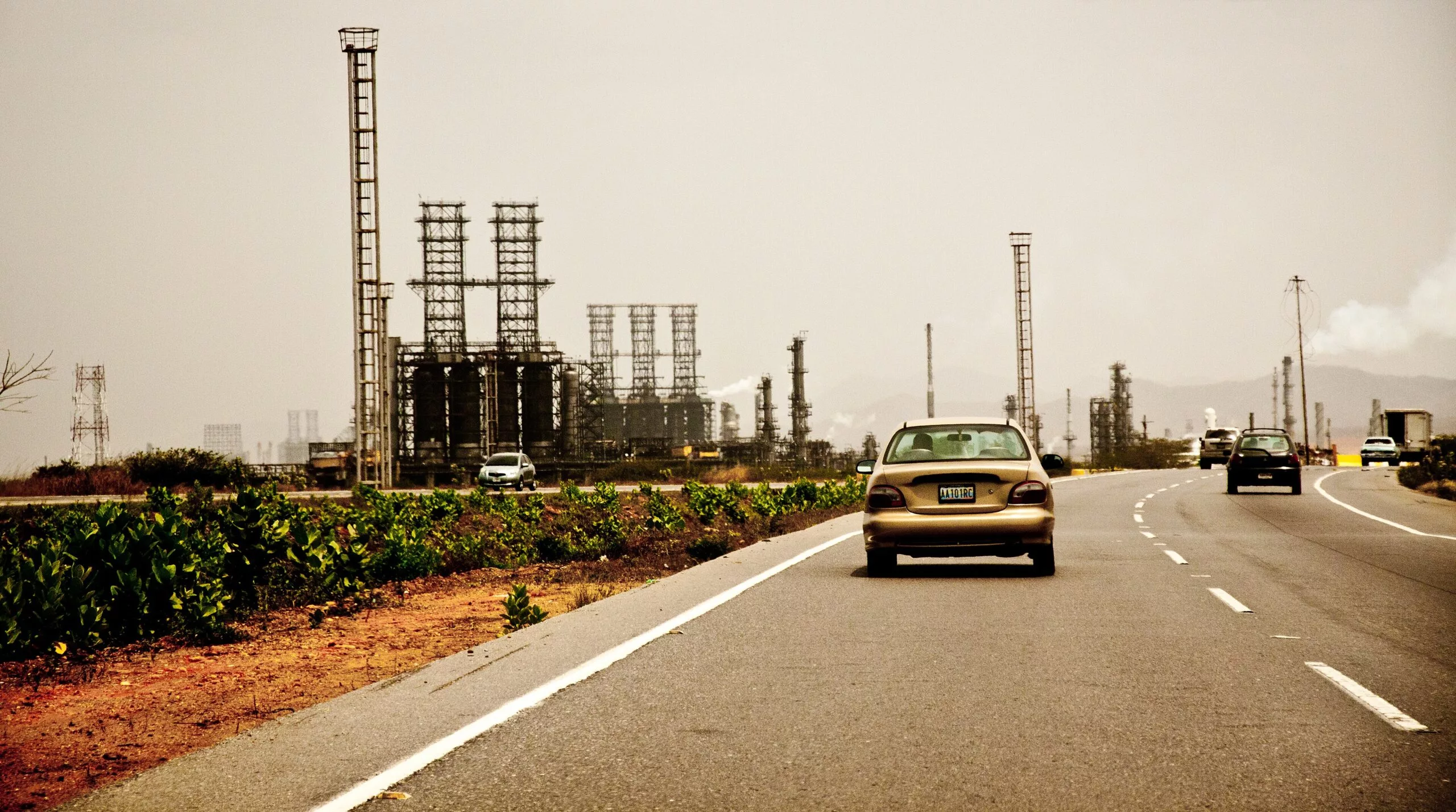
Energy
Key Facts
—The deal. Fluxus, controlled by Brazil’s Batista brothers, bought A&B Oil and Gas, giving it 49% of Petrolera Roraima, a joint venture with Venezuela’s PDVSA.
—The asset. Roraima was once run by ConocoPhillips; in 2024 Venezuela granted it 25-year production rights. PDVSA holds the other 51%.
—The wave. Reported by Bloomberg on 22 July 2026, it is the third such deal in a week, with more expected before a 28 July deadline.
—The opening. The deals follow US sanctions relief: OFAC issued general licences in early 2026 allowing certain Venezuelan-oil activities.
—The players. Joesley and Wesley Batista control meatpacker JBS and holding company J&F; their Venezuela ties date back over a decade.
Brazil’s billionaire Batista brothers are deepening a bet few Western companies will touch. The latest Batista Venezuela oil move gives their energy firm a stake in a PDVSA joint venture, as Washington eases the sanctions that long sealed the country off.
Brazil’s Batista brothers built their fortune on meat. Now Joesley and Wesley Batista are pushing into one of the riskiest corners of the energy world: Venezuelan oil.
The move was reported by Bloomberg on 22 July 2026, and it fits a pattern the family has followed for years — moving into markets others avoid.
What the Batistas Just Bought
The vehicle is Fluxus Oil, Gas & Energy, a company the brothers control. It acquired A&B Oil and Gas, a firm that holds 49% of a Venezuelan production venture called Petrolera Roraima.
PDVSA, Venezuela’s state oil company, owns the other 51%. The field was once operated by the US major ConocoPhillips, before Venezuela seized foreign assets years ago.
In 2024, Venezuela’s petroleum ministry handed 25-year exploration and production rights over the project to A&B Investments, a firm led by Jorge Silva Cardona, a business associate of the Batistas. Buying A&B now folds that stake into the brothers’ empire.
Petrolera Roraima pumps heavy crude in eastern Venezuela — oil that needs blending and specialist handling, part of why so few firms have wanted to run it.
Fluxus has kept the financial terms largely under wraps, and neither it nor PDVSA has detailed how much was paid.
Why Now — the Sanctions Opening
The timing is not accidental. For years, US sanctions on PDVSA made investing in Venezuelan oil legally radioactive for most companies.
That has begun to shift. In early 2026, Washington’s Office of Foreign Assets Control issued a series of general licences authorising certain activities in Venezuela’s oil sector, partially reopening the door.
Bloomberg called the Fluxus deal the third to surface in a single week, with more expected before a 28 July regulatory deadline. A scramble for Venezuelan assets is under way.
US policy toward Venezuela has swung sharply between administrations, tightening and loosening with each change in Washington. That volatility is the central risk for anyone buying in now.
For Washington, the calculus is partly about oil supply and partly about leverage over Caracas. Loosening the rules encourages production; tightening them again is a ready-made pressure tool.
The Batistas’ Long Venezuela Story
The brothers are no strangers to Caracas. More than a decade ago, their meatpacking giant JBS signed a deal worth roughly US$2.1 billion to supply beef and chicken to Venezuela as the country reeled from shortages and hyperinflation.
Since then, the family — through the holding company J&F — has studied oil, mining, power and other infrastructure in the country.
Fluxus is the vehicle carrying that ambition into energy, and the Roraima stake is its most concrete oil bet yet. Where others see legal and political minefields, the Batistas have often seen bargains.
The brothers have faced legal scrutiny at home, too. Joesley Batista struck a plea deal in a sprawling Brazilian corruption case years ago, yet the family kept control of JBS and expanded it.
A High-Risk, High-Reward Wager
The logic is stark. Venezuela sits on the world’s largest proven oil reserves, and its fields can be bought cheaply precisely because sanctions and mismanagement scared others off.
If Washington keeps easing sanctions and output recovers, early movers stand to profit handsomely. If the licences are reversed — a genuine risk given US policy swings — those same investors could be trapped.
Venezuela’s own instability adds to the danger: crumbling infrastructure, an unpredictable government and, this month, earthquakes on the central coast.
Rivals are circling the same assets. Chevron has kept a foothold in Venezuela under its own US licence, and other traders and producers are now testing what the new rules allow.
What It Means for Brazil and the Region
For Brazil, it is a striking case of a homegrown conglomerate wading into a market its own government treats warily. Brasília has kept a careful distance from Caracas’s oil.
For the region, the deal signals that Venezuelan oil is back in play, drawing not just Chevron and other majors but opportunistic private money from across Latin America.
It also underlines how Latin American capital, and not only Western oil giants, is shaping who profits from Venezuela’s slow and uncertain reopening.
The Batistas have built their fortune by moving early and absorbing controversy; JBS has weathered corruption scandals and emerged larger each time. Whether Venezuela rewards that instinct, or finally tests it, is the open question.
For ordinary Venezuelans, foreign money could mean jobs and rebuilt fields after years of collapse — or another chapter in which the country’s oil enriches outsiders while little trickles down.
More: Venezuela news in English, every day from The Rio Times.
Frequently Asked Questions
What did the Batista brothers buy in Venezuela?
Through their firm Fluxus Oil, Gas & Energy, they acquired A&B Oil and Gas, which holds a 49% stake in Petrolera Roraima, a joint venture with Venezuela’s state oil company PDVSA. PDVSA owns the other 51%.
Is it legal to invest in Venezuelan oil?
It has become less restricted. US sanctions long barred most dealings with PDVSA, but in early 2026 Washington’s OFAC issued general licences authorising certain Venezuelan oil activities, which is what has enabled a wave of new deals.
Who are the Batista brothers?
Joesley and Wesley Batista are Brazilian billionaires who control the world’s largest meatpacker, JBS, and the holding company J&F Investimentos. Their business interests in Venezuela date back more than a decade.
Sources & Further Reading
Bloomberg — Venezuela Oil: Batistas’ Fluxus Clinches Stake in PDVSA Joint Venture
World Oil — Fluxus acquires stake in Venezuela’s Petrolera Roraima joint venture
Greenberg Traurig — OFAC issues general licenses on the Venezuelan oil sector
Connected Coverage
Venezuela’s new oil rulebook runs 29 pages and never says PDVSA
JBS: the Batista brothers lead again as the meat giant grows and faces scrutiny
Sources: Bloomberg.
This article was produced by The Rio Times’ automated newsroom system. How we use AI · Report an error · Editorial responsibility: Matthias Camenzind, Editor-in-Chief