
KENYA · LISTED COMPANIES
Key Facts
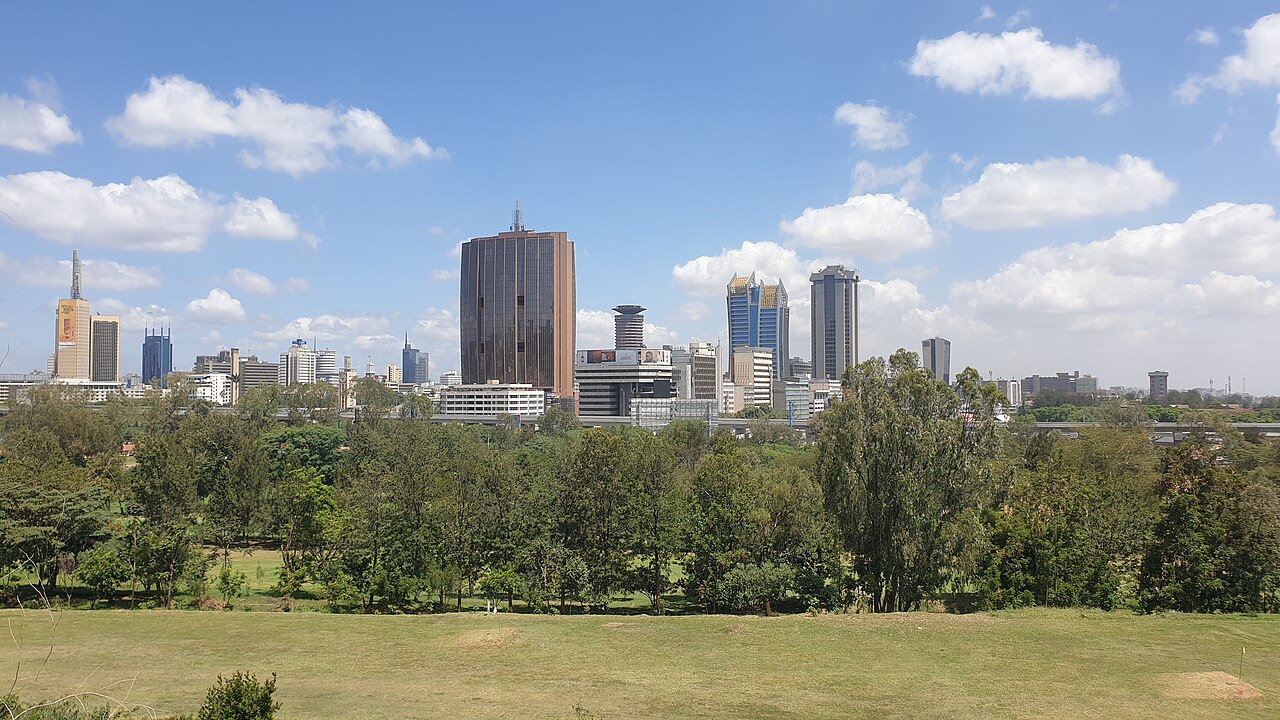
- —The country Kenya is an East African country of more than 50 million people, and its capital Nairobi hosts the region’s main stock exchange.
- —What happened Kenya’s Court of Appeal ruled on 16 October that BAT Kenya keeps its Sh56.2 million (about US$432,600) judgment against its distributor, M’Big Limited.
- —The company BAT Kenya, short for British American Tobacco Kenya, is a cigarette and nicotine pouch maker listed on the Nairobi Securities Exchange, with its Kenyan plant in Nairobi’s Industrial Area.
- —The ruling A three-judge bench held that an arbitration clause cannot be used as a shield or delaying tactic by a debtor who admitted the debt.
- —The scale The debt equals about 1.8% of BAT Kenya’s Sh3.075 billion (about US$23.7 million) profit after tax for the first half of 2026.
- —Still open Business Daily did not report whether M’Big has paid or will seek a further appeal.
The BAT Kenya debt case ended in its favour on Friday 16 October, when Kenya’s Court of Appeal upheld a Sh56.2 million (about US$432,600) judgment. Business Daily, a Nairobi newspaper, reported the ruling on Wednesday 21 October.
The court said a debtor cannot hide behind an arbitration clause to delay paying money it has already admitted owing. For US firms selling through African distributors, the case shows how Kenyan judges treat clauses that send disputes to private arbitration.
What the Court of Appeal Decided
The Court of Appeal, Kenya’s second-highest court, dismissed an appeal by M’Big Limited. It left in place a judgment of Sh56.2 million (about US$432,600) for BAT Kenya Tobacco Ltd.
A three-judge bench said an arbitration clause cannot be a shield or delaying tactic when no real dispute exists. It added that proceedings cannot be paused for arbitration where no genuine factual or legal dispute exists.
How the BAT Kenya Debt Case Began
BAT Kenya and M’Big signed a five-year cigarette distribution agreement that took effect on 1 June 2015. M’Big was named to market, resell and distribute BAT Kenya products.
An account reconciliation later showed that M’Big owed Sh56,184,300 (about US$432,600). In an email dated 2 February 2022, M’Big acknowledged a demand letter, offered a payment plan and said it was selling land to pay.
BAT Kenya asked the High Court in 2022 for judgment on admission, a fast route when a defendant has accepted a debt in writing. In September 2023 the High Court granted it and refused M’Big’s request for arbitration.
What the Distributor Argued
M’Big told the appeal judges that BAT Kenya skipped agreed procedures and that its admission came from fraudulent misrepresentation of the business’s finances. It cited a complaint letter of November 2021 and minutes of a meeting on 29 November 2021.
M’Big also said it had overpaid and that BAT Kenya in fact owed it Sh473.2 million (about US$3.64 million). The judges agreed with the trial judge that these claims came too late to displace the earlier admission.
Why the Contract Held
The Court of Appeal upheld the High Court’s reliance on a Variation Agreement dated 18 June 2020. That second agreement changed the dispute clause and gave Kenyan courts exclusive jurisdiction.
The judges said it was not open to M’Big to walk away from terms both sides had agreed. They also noted that BAT Kenya could bypass arbitration and seek judgment on admission or summary judgment under the Civil Procedure Rules.
BAT Kenya’s Latest Results
BAT Kenya earned Sh3.075 billion (about US$23.7 million) after tax in the six months to 30 June 2026. The Standard reported that BAT Kenya declared an interim dividend of Sh10 (about US$0.08) a share.
For 2025, profit before tax was Sh7.7 billion (about US$59.3 million) on net revenue of Sh23.2 billion (about US$178.6 million), down 10%, Citizen Digital reported. Management blames illicit cigarettes, which it says reached 45% of the market and cost the state about Sh12 billion (about US$92.4 million) a year.
The BAT Kenya Company Intelligence profile holds the background on the company. A separate petition seeking Sh4.5 billion (about US$34.7 million) over its VELO nicotine pouches is not linked to the BAT Kenya debt case.
What It Means for US Readers
The sum is small for a company that earned Sh3.075 billion (about US$23.7 million) in six months, so shares and dividends are unlikely to move. The value of the BAT Kenya debt case lies in the signal about unpaid distributor accounts.
US exporters and franchisors with Kenyan partners can take three lessons: put debts in writing, reconcile accounts often, and keep arbitration for real disputes. Investors in Kenyan listed companies also see that courts back a creditor with a clear paper trail.
What Is Not Known
The reports do not say whether M’Big has paid any of the Sh56.2 million (about US$432,600). Nor is it stated whether it can ask the Supreme Court, Kenya’s highest court, to hear the matter.
The case number and the names of the three judges were not published in the Business Daily account of the BAT Kenya debt case. The rate used here is 129.87 shillings to the US dollar on 22 October 2026.
More: Kenya news in English, every day from The Rio Times.
Frequently Asked Questions
What did the Court of Appeal decide in the BAT Kenya debt case?
On 16 October 2026 the court dismissed M’Big Limited’s appeal and upheld a judgment of Sh56.2 million (about US$432,600) for BAT Kenya. It held that an arbitration clause cannot delay payment of a debt the debtor has admitted.
Who is M’Big Limited?
M’Big Limited is the company BAT Kenya named under a five-year distribution agreement from 1 June 2015. Court records show it acknowledged owing Sh56,184,300 (about US$432,600) in February 2022.
What is a judgment on admission?
It is a fast court order when a debtor has accepted in writing that it owes money, as in the BAT Kenya debt case. The court can then order payment without a full trial.
Why did M’Big want arbitration?
M’Big argued that the contract required arbitration and that it had overpaid BAT Kenya by Sh473.2 million (about US$3.64 million). The judges found no real dispute in the BAT Kenya debt case and said the claims came too late.
Does the ruling affect BAT Kenya’s shares or dividend?
The BAT Kenya debt case equals about 1.8% of the company’s Sh3.075 billion (about US$23.7 million) first-half profit, so a large effect is unlikely. BAT Kenya declared an interim dividend of Sh10 (about US$0.08) a share for 2026.
Sources: Business Daily, BAT Kenya wins debt fight with distributor, 21 October 2026; The Standard, BAT half-year net profit, 24 July 2026; Citizen Digital, BAT Kenya dividend proposal, 26 February 2026; Business Daily, BAT Kenya challenges VELO claim, 13 August 2026.
Editorial responsibility: Matthias Camenzind, Editor-in-Chief · Editorial standards · Report an error
Part of our ongoing coverage
Africa: The New Scramble — the great-power contest over the continent.
LatAm Markets: Live Signals → — real-time movers, turnover leaders and FX across Latin America.