Asia Intelligence Brief — Saturday, November 21, 2026
Executive Summary
Asia Intelligence Brief for November 21: Seoul's ruling party moves to impeach the chief justice, Japan trains in India, Hong Kong inflation 2.2%.
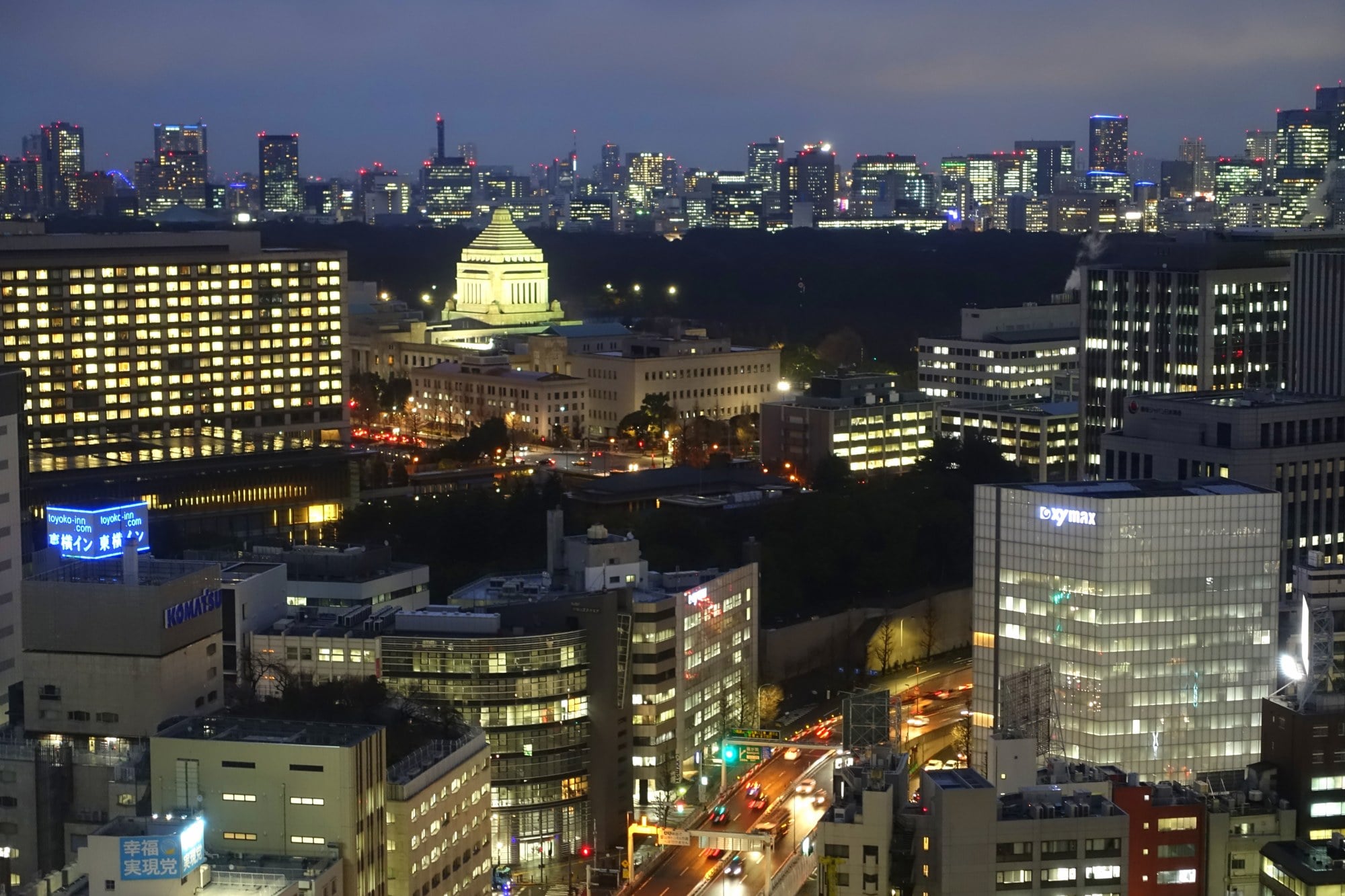
Asia on Saturday feels like a region arguing over who holds the last word, with a fight over a courtroom in Seoul, a growing defence handshake between Tokyo and New Delhi, and steadier ledgers elsewhere. The temper is watchful rather than alarmed, because most of the day’s news concerns institutions and partnerships rather than shocks.
Leaders speak the language of process: parties talk of impeachment and rulings, while defence officials talk of dialogues and letters of intent. Ordinary publics are heard mostly through household prices and trade books, which is why small data surprises carry more mood than their size suggests.
The through-line is a contest over rules and partners, in which governments test who may judge them and who may stand beside them. For US readers, the practical question is whether these quiet realignments change who Washington’s friends in Asia can rely on, and for what.
Key Facts
Impeachment. South Korea’s ruling Democratic Party is pursuing the impeachment of Chief Justice Cho Hee-dae, announced 19 November.
Ranges. A Letter of Intent lets Japan’s Self-Defense Forces use Indian test ranges for live-fire training for the first time.
Chips. A South Korean initiative aims to roughly double DRAM output within five years.
Prices. Hong Kong’s October inflation was 2.2%, against a 2.0% forecast and 1.9% in September.
Festival. The 57th International Film Festival of India was scheduled to open in Goa on 20 November.
Seoul: A Court And A Party On A Collision Course
Kim Min-seok, leader of the Democratic Party, said on 19 November that a Supreme Court ruling involving former Prime Minister Han Duck-soo had prompted the party to act against the chief justice. By tying the move to one ruling, the party presents itself as responding to the judiciary rather than starting the fight.
The mood is institutional tension, with a governing party that holds the political initiative and a court that holds the final legal word. For a US reader, South Korea is a treaty ally and a chip supplier, so a prolonged clash between branches of government is a stability question and not only a domestic quarrel.
Tokyo And New Delhi: Defence Ties Built In Quiet
A defence and foreign-ministers dialogue in Tokyo ended with both governments welcoming the range arrangement, which shows how far trust has travelled between two capitals that once kept a polite distance. The language was practical and unhurried, the register of partners who expect to work together for years.
India gains a role as host and Japan gains room to train, while neither has to sign an alliance to do it. Washington should read this as the region hedging and networking at once, with middle powers building ties among themselves instead of waiting for a single patron.
Hong Kong: A Small Surprise In Household Costs
The October reading, released on 20 November, came in above forecasts and above September, a modest upward nudge rather than a jolt. In a city that depends on steady confidence, even a few tenths on the price index keeps the cost of living in the conversation.
The public mood here is cautious pragmatism, with households watching rents and food bills more closely than headlines from abroad. For US firms with regional offices there, it is a reminder that costs are drifting up and not falling.
Kuala Lumpur: Strength Without Noise
Malaysia rarely makes loud claims, which suits a government with a calm tone. The mood is quiet confidence, with exporters benefiting from a region that keeps buying and a government that avoids picking fights. US readers should note that Malaysia’s strength comes from staying useful to everyone, which is also its protection.
What This Means From Latin America
South Korea’s aim to roughly double DRAM output within five years is a long-term signal for Chile and Argentina, since chip and battery supply chains lean on copper and lithium. Any such build-out is a reading of future demand, not a promise of orders, but it supports the case for steady investment in Andean mines.
The India-Japan range arrangement is a diplomatic lesson for Brazil, which also prefers to build many partnerships without joining a bloc. Trade and migration flows are unchanged for now, but Latin American capitals will watch whether Asian middle powers keep widening their circle of defence and industrial partners.
What We Are Watching
- Monday, 23 November, 12:00 a.m. ET: Singapore inflation — Forecast 1.9% against 2.2% before. It shows whether prices at a major trade hub are cooling.
- Monday, 23 November, 5:30 a.m. ET: India third-quarter growth — Forecast 7.6% against 7.8% before. It shows whether India’s economy is slowing.
- Monday, 23 November, 7:00 p.m. ET: Singapore third-quarter growth — Forecast 5.6% against 5.9% before. It shows how a trade-dependent economy handled the quarter.
- Tuesday, 24 November, 10:00 p.m. ET: Thailand trade balance — Forecast a deficit of 6.45 against 5.86 before. It shows whether import pressure is widening.
- Wednesday, 25 November, 8:00 p.m. ET: South Korea interest-rate decision — Forecast 3.25% against 3% before. It shows how the central bank weighs prices at a tense political moment.
- Thursday, 26 November, 6:30 p.m. ET: Tokyo core consumer prices — Forecast 3.0% against 2.6% before. It shows whether Japan’s price pressure is returning.
Background: China’s military purge explained.
Frequently Asked Questions
Why is South Korea’s ruling party targeting its chief justice?
Democratic Party leader Kim Min-seok said on 19 November that a Supreme Court ruling involving former Prime Minister Han Duck-soo prompted the push to impeach Chief Justice Cho Hee-dae. The move sets the governing party against the top of the judiciary.
What did India and Japan agree in Tokyo?
Both sides welcomed a Letter of Intent allowing Japan’s Self-Defense Forces to use Indian test ranges for live-fire training for the first time. It followed a defence and foreign-ministers dialogue held in Tokyo.
How did Hong Kong’s prices move in October?
Inflation was 2.2%, above the 2.0% forecast and the 1.9% recorded in September. The data were released on 20 November.
Which Asian data arrive next week?
India’s third-quarter growth is due on 23 November, South Korea’s rate decision on 25 November and Tokyo consumer prices on 26 November. Singapore and Thailand also publish inflation, growth and trade data.
This article was produced by The Rio Times’ automated AI newsroom. Editorial responsibility: Matthias Camenzind, Publisher and Editor-in-Chief. The Rio Times also runs Ask Rio Times, which answers from 100,000+ of our own articles, the daily Latin America Power Map, and prediction-market odds on elections and markets.. How we use AI · Report an error
LatAm Markets: Live Signals → — real-time movers, turnover leaders and FX across Latin America.
Read More from The Rio Times