Asia Intelligence Brief — Friday, November 20, 2026
Executive Summary
Asia Intelligence Brief for November 20: Trump, Xi and Putin issue a four-point statement, Indonesia sets a vote and Takaichi gets no Xi meeting.
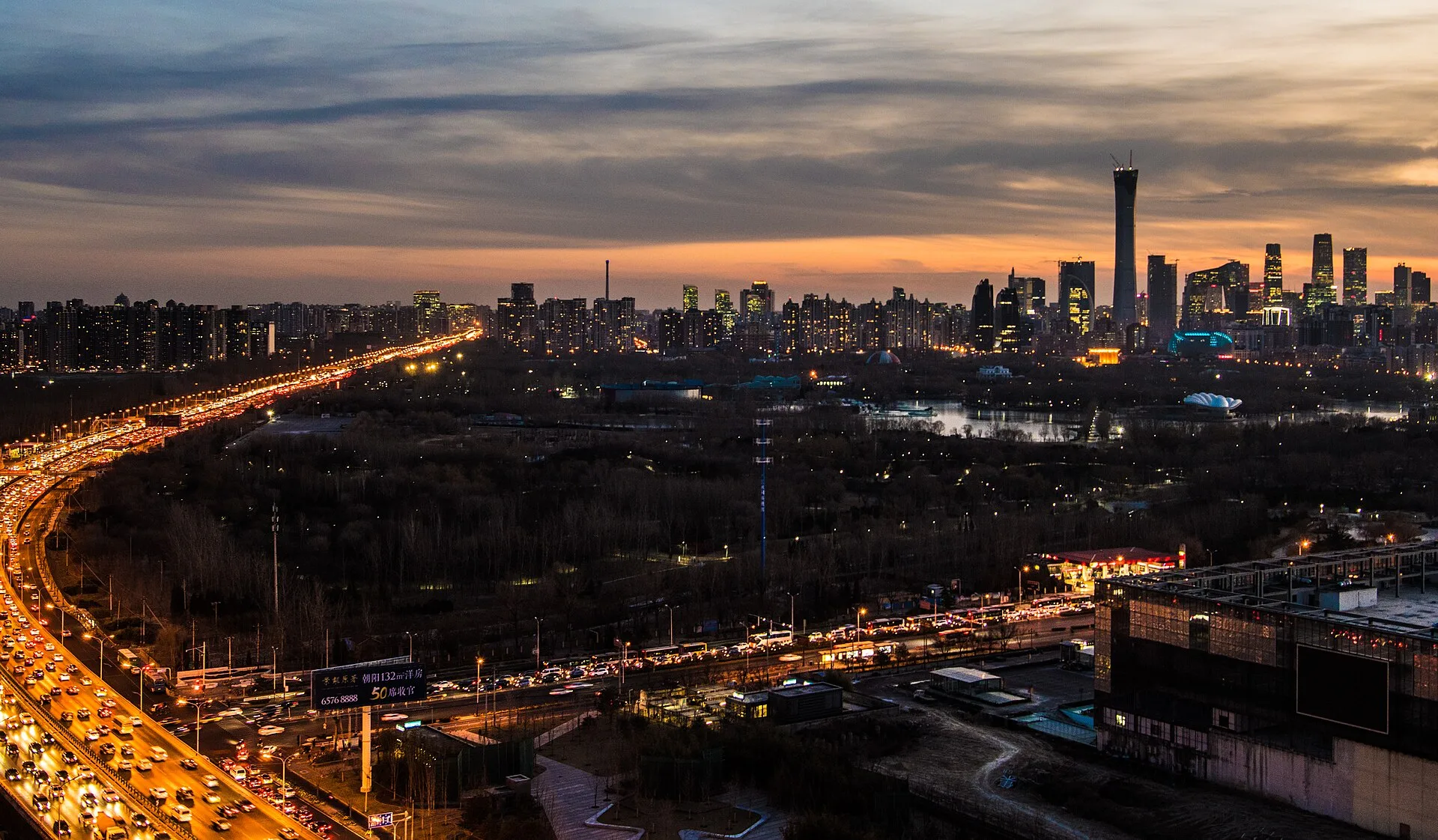
Asia wakes on Friday like a house after a big reception, with the guests gone and the host counting what was said. Three leaders spent Thursday at one table in Shenzhen, and the capitals that were not invited are now reading the minutes. The register is polite and guarded: statements speak of dialogue and respect, while smaller governments weigh what the big three left out.
The through-line is the unwritten line in every document, because this week the region keeps learning what was not promised. For readers in the United States, the question is whether a friendly photograph changes any policy that touches tariffs, chips or oil.
Key Facts
Summit. Trump, Xi and Putin issued a four-point joint statement in Shenzhen on 19 November.
Nuclear. The statement says a nuclear war cannot be won and promises talks on lowering nuclear risks.
Vacancy. Prabowo must send Indonesia’s assembly two vice-president candidates by 25 November.
Prices. Japan’s core inflation was 2.2% in October, against a 2.3% forecast.
Trade. Malaysia’s October trade surplus was 41.8 billion ringgit (about US$10.2 billion), against a 34.4 billion forecast.
Shenzhen: Warm Photos, Thin Text
The statement has four points: more refined-fuel supply, respect for the immunity of state officials, a pledge on nuclear risk and a promise to reform the United Nations. It runs to a few paragraphs.
The justice clause is the sharpest reading for outsiders, because Putin is the only one of the three leaders named in an International Criminal Court (ICC) arrest warrant. The mood from Beijing is satisfaction at hosting a table that Washington and Moscow both attended.
Smaller Asian governments will read the text for what it omits, because a nuclear pledge with no inspections and no stockpile limits asks little of anyone. The practical result is a calmer headline week, while the hard questions on arms, sanctions and tariffs stay for later.
Tokyo: Greeted, Not Received
Prime Minister Sanae Takaichi greeted Xi at Wednesday’s welcome banquet, but the South China Morning Post reported that she got a smile and no formal meeting. Relations have been cold since her 2025 remarks that a Taiwan emergency could draw a Japanese military response.
At home the news was plainer: Japan’s statistics bureau put core inflation, which excludes fresh food, at 2.2% in October, below the 2.3% forecast and up from 2.1% in September. The reading gives Takaichi a small calm on prices while the diplomatic chill continues.
Japanese officials had hoped only for protocol courtesy in Shenzhen, and a handshake is roughly what they got. In Tokyo that counts as a quiet win, because an open snub would have forced a harder public response.
Jakarta: A Chair, A Clock And A Date
Indonesia’s vice presidency has been empty since Gibran Rakabuming Raka resigned on 12 November. The People’s Consultative Assembly (MPR), the body that fills the post, has moved its vote from 2 December to 9 December at President Prabowo Subianto’s request.
Prabowo now has until 25 November to hand over two names. The mood is a waiting room: every party hopes to be named, and none wants to be seen asking.
Political reports name Gerindra’s chairman Sufmi Dasco Ahmad as the most mentioned possibility, but no name is official yet. The choice will show whether the president tightens his own circle or makes room for the network of his predecessor, Joko Widodo.
Hong Kong: Prices Tick Up At The Summit’s Edge
Hong Kong’s government statistics showed consumer prices rising 2.2% in October, against a 2.0% forecast and 1.9% in September. It is a small surprise, yet it lands as the city watches Shenzhen, just across the border, host the world’s most-watched table.
The mood here is proximity without a seat: Hong Kong trades on its closeness to mainland power, and it feels every shift in tone from Beijing. A rise of a few tenths in prices is a footnote, but it keeps household costs in the conversation.
Kuala Lumpur And Taipei: Strong Trade, Cold Talks
Malaysia’s statistics department reported a trade surplus of 41.8 billion ringgit (about US$10.2 billion at 4.11 ringgit per dollar) for October, well above the 34.4 billion forecast and 33.7 billion in September. The figure beat the forecast by 7.4 billion ringgit.
What This Means From Latin America
The refined-fuel supply point in the Shenzhen statement is the one Latin America will read first. Calm talk about oil supply matters to Mexico and Colombia, since fuel prices ripple through their budgets.
What We Are Watching
- Monday, 23 November, 12:00 a.m. ET: Singapore inflation — Forecast 1.9% against 2.2% before. It shows whether a trade hub’s prices are cooling.
- Monday, 23 November, 5:30 a.m. ET: India third-quarter growth — Forecast 7.6% against 7.8% before. It shows whether Asia’s fastest big economy is slowing.
- Monday, 23 November, 7:00 p.m. ET: Singapore third-quarter growth — Forecast 5.6% against 5.9% before. It shows how a trade hub carried the summit season.
- Wednesday, 25 November: Prabowo’s deadline — He must send two vice-president names to the assembly. It shows whether he picks from his own circle or beyond.
- Thursday, 26 November, 6:30 p.m. ET: Tokyo consumer prices — Core forecast 3.0% against 2.6% before. It shows whether Japan’s price pressure is returning.
- Wednesday, 9 December: Indonesia’s assembly vote — Members choose one of the two names. It shows who the president trusts as deputy.
Background: China’s military purge explained and BRICS Summit Adds Nobody, China Chairs 2027.
Frequently Asked Questions
What did Trump, Xi and Putin agree in Shenzhen?
They issued a four-point statement on 19 November covering refined-fuel supply, state-official immunity, nuclear-risk dialogue and United Nations reform. Trump called the talks “12 out of 10”.
When will Indonesia choose a new vice president?
The People’s Consultative Assembly is due to vote on 9 December. President Prabowo must send two names by 25 November.
Did Japan’s prime minister meet Xi in Shenzhen?
She greeted him at the welcome banquet, but no formal meeting has been reported. Relations have been cold since her 2025 remarks on Taiwan.
Why should a US reader follow this week in Asia?
The Shenzhen talks touch nuclear risk, energy supply and the trade truce. Malaysia and Taiwan also anchor chip supply chains that US firms rely on.
This article was produced by The Rio Times’ automated AI newsroom. Editorial responsibility: Matthias Camenzind, Publisher and Editor-in-Chief. The Rio Times also runs Ask Rio Times, which answers from 100,000+ of our own articles, the daily Latin America Power Map, and prediction-market odds on elections and markets.. How we use AI · Report an error
LatAm Markets: Live Signals → — real-time movers, turnover leaders and FX across Latin America.
Read More from The Rio Times