Africa Intelligence Brief — Friday, November 20, 2026
Executive Summary
Africa Intelligence Brief for November 20: South Africa's rate hold, Ethiopia-Eritrea border tension, Senegal's party split.
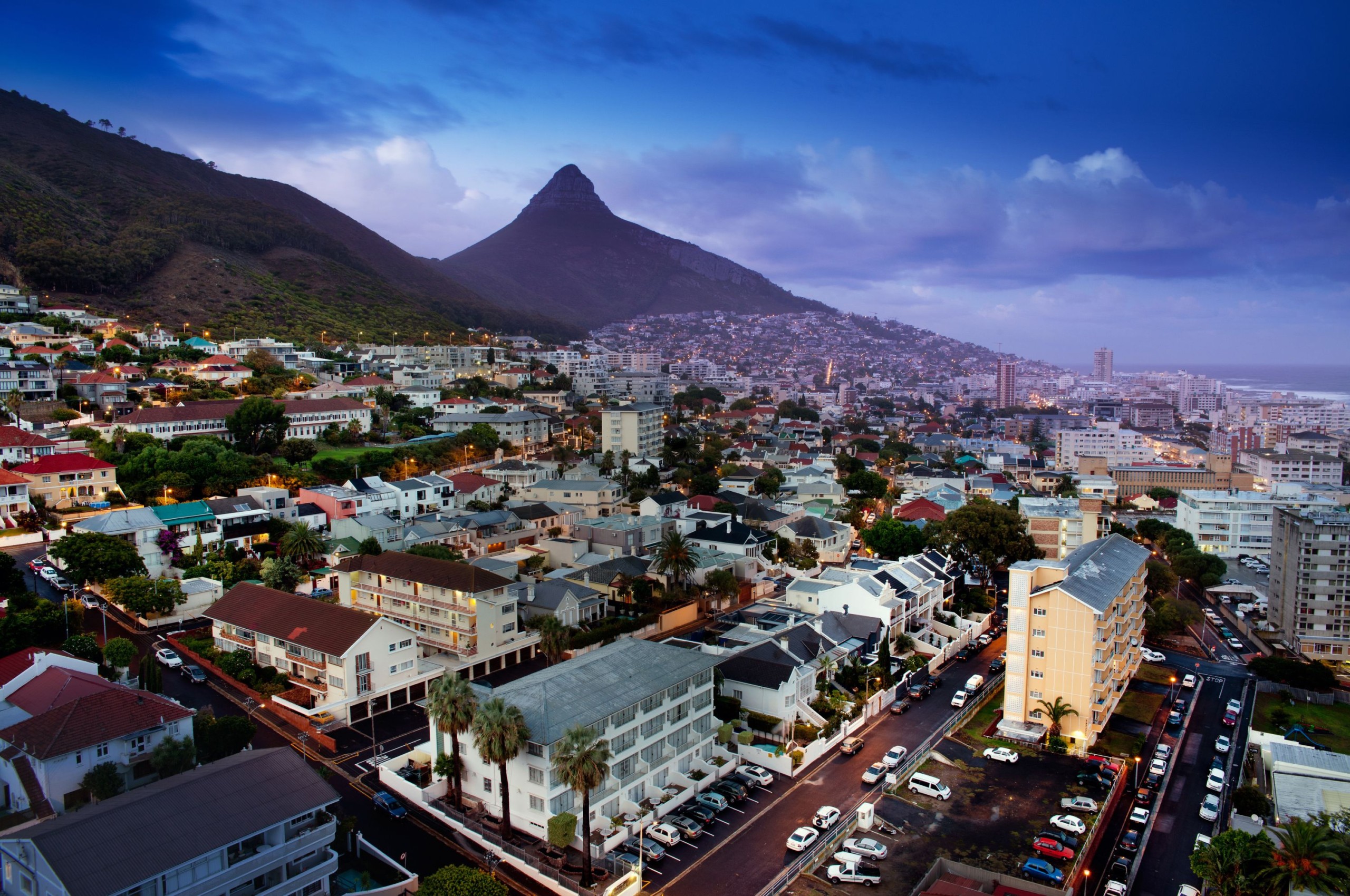
Africa wakes this Friday watching its institutions decide whether to hold the line or split. A central bank paused by a single vote, a ruling party turned on its own president and two neighbours eyeing each other across a border make for a tense, watchful mood.
The register is brinkmanship without a break: decisions taken narrowly, and warnings that stop short of action. Beneath it runs an old question, which is whether rules can survive the people who wrote them.
The through-line is the fragile centre. In each capital someone is asking how long a pause, a pact or a ceasefire can last when the pressure keeps building.
Key Facts
South Africa. The central bank held its rate at 7.25% on 19 November by a 4–3 vote.
Ethiopia and Eritrea. Conflict monitors say both have massed troops on the border; Eritrea denies it.
Senegal. The ruling Pastef party expelled President Bassirou Diomaye Faye on 17 November.
Nigeria. All 36 states approved state police forces; President Bola Tinubu must still sign.
Mozambique. Opposition leader Venâncio Mondlane’s trial is under way, with no live broadcast.
South Africa: A Pause Won By One Vote
The South African Reserve Bank held its main interest rate at 7.25% on Thursday 19 November, and Governor Lesetja Kganyago said inflation is expected to stay above 5% into early 2027. The seven-member committee split 4–3, with three members wanting a 25 basis point rise.
The mood is of a country told to expect no relief, only a pause. Statistics South Africa said on 18 November that annual inflation rose to 5.2% in October from 4.5%, with fuel doing most of the damage.
The counterweight is that the bank called the hold a pause and said it will not hesitate to raise rates if needed. The next decision is on 28 January 2027, and a split vote this close makes it a live meeting for households that carry variable-rate debt.
Ethiopia And Eritrea: Two Armies, One Denial
The conflict monitor ACLED and the International Crisis Group say Ethiopia and Eritrea have massed troops along their shared border. ACLED says Ethiopian drones struck likely Eritrean positions near Badme on 12 November and that the armies clashed the next day.
The mood is of a region bracing for a war nobody has declared. Eritrea’s information minister, Yemane Gebremeskel, called the Ethiopian claims propaganda, and the clashes remain unconfirmed.
What is not known is whether these are probes or the start of a campaign. The two countries fought a bloody war from 1998 to 2000, so each side reads the other’s moves through that memory.
Senegal: A Party Turns On Its President
Senegal’s ruling party, Pastef, expelled President Bassirou Diomaye Faye and 31 other inactive members on 17 November. The move follows a power struggle with party leader Ousmane Sonko, whom Faye fired as prime minister in May.
The mood in Dakar is of a victory that turned inward. Pastef holds 130 of the 165 seats in the National Assembly, so the quarrel is now between the president and the machine that elected him.
The wider stake is financial, because the rift threatens expected support from the International Monetary Fund, the global lender. Investors in West Africa will read it as a test of whether a young, popular movement can govern after it splits.
Nigeria: The States Say Yes To Their Own Police
All 36 of Nigeria’s states have approved a constitutional change that would allow state police forces, well above the 24 needed. President Bola Tinubu must still sign it, and further legislation is required before any force exists.
The mood is of long-delayed hope with a hint of dread. Nigerians have asked for local policing for years because the federal force is stretched, but governors with armed police of their own is a power many fear.
The open question is who pays, trains and controls these forces. A reform this large will be judged by its guardrails more than its passage.
Maputo And Banjul: Law Before The Ballot
The Supreme Court trial of Mozambican opposition leader Venâncio Mondlane opened in Maputo on Tuesday 17 November on five charges, including terrorism, which he denies. The court has refused live broadcasts and banned sound and image recording, although journalists can report in writing.
The mood is guarded, because supporters read the case as politics and the court insists it is not. Prosecutors say they will present videos, wiretaps and bank records, so the weeks ahead will test how much the public learns.
In The Gambia, campaigning for the 5 December presidential vote runs until 3 December. Eight of the nine cleared candidates, including President Adama Barrow, who seeks a third term, signed a peace pact, a small sign that rivals still agree on the rules.
What This Means From Latin America
Latin America knows what a one-vote central bank decision feels like. Brazil and Mexico also watch how long fuel prices take to reach wages before their banks move.
Mondlane’s trial and Senegal’s party split will also feel familiar to readers in Peru and Brazil, where courts and parties have tested how much power a president really holds. In both regions the lesson is the same: institutions last when they stay open to view.
What We Are Watching
- Tuesday, 24 November, 10:00 a.m. ET: Nigeria interest rate decision: The central bank meets after inflation eased to 14.06%. It shows whether easing is on the table.
- Thursday, 26 November, 3:00 a.m. ET: Zambia inflation rate: November data is due, after 6.3% before. It shows how far prices are drifting in Southern Africa.
- Friday, 27 November, 8:00 a.m. ET: Nigeria GDP growth: Third-quarter output is due, after growth of 4.43% before. It shows how much the economy has gained from lower inflation.
- Tuesday, 1 December, 4:00 a.m. ET: South Africa GDP growth: Third-quarter output is due, after a contraction of 0.2% before. It shows how much the economy feels the squeeze.
- Saturday, 5 December: The Gambia votes: Nine candidacies are cleared. It decides whether a third-term bid meets a united or a split opposition.
- Date not set: Tinubu’s signature on state police: All 36 states have approved the change. It shows whether the reform moves from vote to law.
Background: South Africa inflation in October · The Gambia election · Mozambique politics
Frequently Asked Questions
What did South Africa’s central bank decide on 19 November?
The South African Reserve Bank held its main rate at 7.25% on Thursday 19 November. The seven-member committee voted 4–3, with three members wanting a 25 basis point increase.
Why is Senegal’s ruling party expelling its own president?
Pastef, the ruling party, expelled President Bassirou Diomaye Faye on 17 November after a power struggle with party leader Ousmane Sonko. Faye had fired Sonko as prime minister in May.
Are Ethiopia and Eritrea at war?
Not officially. Conflict monitors say both countries have massed troops along their border and that clashes took place on 12 and 13 November, but these reports are unconfirmed and Eritrea calls them propaganda.
When is The Gambia’s presidential election?
The vote is on Saturday 5 December. President Adama Barrow seeks a third term, and nine candidacies have been cleared.
This article was produced by The Rio Times’ automated AI newsroom. Editorial responsibility: Matthias Camenzind, Publisher and Editor-in-Chief. The Rio Times also runs Ask Rio Times, which answers from 100,000+ of our own articles, the daily Latin America Power Map, and prediction-market odds on elections and markets.. How we use AI · Report an error
Part of our ongoing coverage
Africa: The New Scramble — the great-power contest over the continent.
LatAm Markets: Live Signals → — real-time movers, turnover leaders and FX across Latin America.
Read More from The Rio Times