Through Javier Milei’s legislative proposal, the Argentine government plans a significant overhaul of the 1967 Hydrocarbons Law.
It aims to remove regulations on prices and exports, impacting the burgeoning oil and gas sector, especially the Vaca Muerta fields.
The oil sector received news that Export Rights rates will stay at 8%. However, the proposal seeks to end price interventions, promoting a market-driven approach.
This shift to an export parity price model ensures producers receive competitive international rates.
The government also intends to allow free exportation of hydrocarbons, encouraging global trade and easing natural gas import restrictions.
These changes, while promising economic growth, present challenges in infrastructure and regulation.
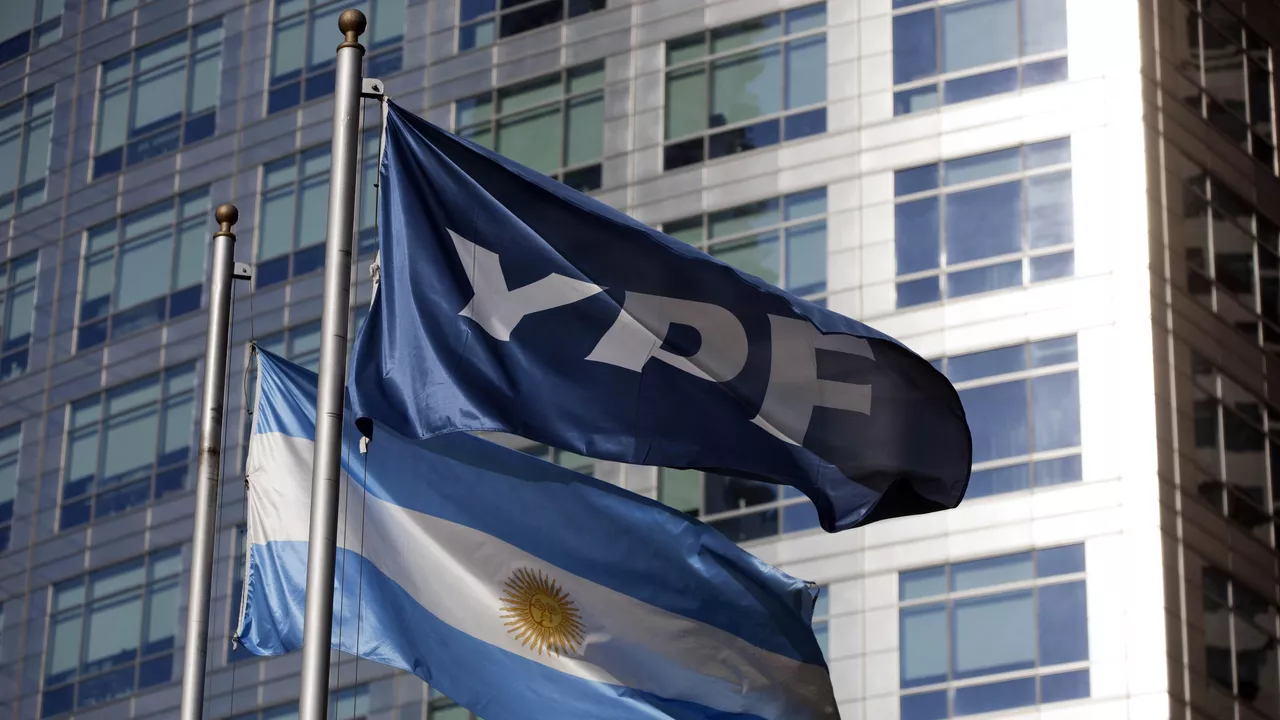
Additionally, the proposal suggests privatizing state-owned energy companies, potentially reshaping Argentina’s energy landscape.
This includes major players like YPF, illustrating a move towards a more market-oriented sector.
Energy Secretary Eduardo Rodríguez Chirillo faces the task of allocating export quotas, a crucial step in this transition.
The proposal’s success hinges on effectively balancing competitive pricing with industry stability and national interests.
In essence, Argentina’s proposed hydrocarbon reforms signify a transformative approach to its energy sector, aiming for increased efficiency, global competitiveness, and economic growth.
Background
Argentina’s President Javier Milei has launched a 366-article decree to deregulate the nation’s crippled economy.
Announced through national broadcasts, the decree targets oppressive legal and institutional structures, aiming for national rejuvenation.
It declares a public emergency across various sectors until the end of 2025.
The decree mandates nationwide deregulation of trade, services, and industry.
Milei emphasized that all restrictions hampering market freedom and private initiatives would be nullified.
His goal is to reconstruct Argentina, restore individual freedom, and dismantle growth-inhibiting regulations.
The decree includes repealing laws across healthcare, pharmaceuticals, tourism, and sports sectors, among the significant changes.
More: Argentina news in English, every day from The Rio Times.
This article was produced by The Rio Times’ automated newsroom system. How we use AI · Report an error
Read More from The Rio Times