Top anti-drug officials are convening in Quito, Ecuador, to exchange strategies against the illegal drug trade.
The conference runs until October 6. Juan Zapata, Ecuador’s Interior Minister, and Gustavo Manrique, Foreign Minister, inaugurated the event.
Attendees include officials from Latin America, European observers, and global organizations like Interpol.
Zapata said the meeting boosts collaboration against organized crime. “It provides a forum for discussing the global drug issue from a regional angle,” he added.
Various working groups will tackle different aspects of drug-related challenges. These actions aim to address shared problems in the region.
Zapata highlighted the event’s importance for Ecuador. The country is battling a surge in violence due to drug trafficking.
He revealed a special request for a National Drug Observatory in Ecuador. Additionally, a scientific lab for substance identification was proposed.
Furthermore, Zapata stated that Ecuador ranks third in drug seizures globally. Colombia and the U.S. occupy the top spots.
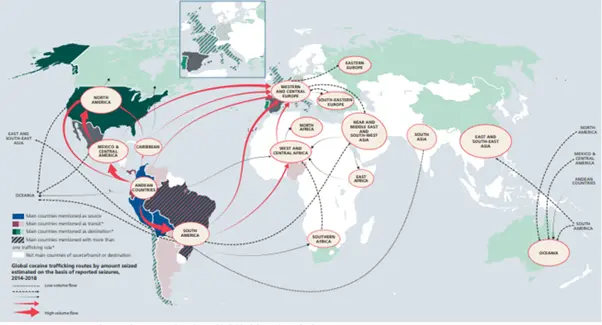
“We’ve confiscated over 521 tons of drugs in just over two years,” he claimed. Manrique emphasized that international cooperation is vital.
He said it contributes to achieving the UN’s Sustainable Development Goals by 2030.
Background
This meeting holds special relevance for Ecuador, facing increased organized crime. In contrast, Colombia, a neighbor, has battled drug trafficking for decades.
Meanwhile, the U.S. focuses on curbing demand and promoting alternative crops abroad. Globally, drug trafficking remains a critical issue, often financing terrorist activities.
Interestingly, European nations act mostly as consumer markets. This differs from Latin America, often considered a production hub.
Yet, recent shifts show European countries like Portugal adopting liberal drug policies. These focus on treatment over punishment.
This divergence in approaches warrants attention. It could guide Latin American countries in adopting more holistic anti-drug strategies.
Finally, multilateral meetings like this one are crucial.
They facilitate the exchange of effective policies, and thereby contribute to a safer, more secure global community.
This article was produced by The Rio Times’ automated newsroom system. How we use AI · Report an error
Read More from The Rio Times