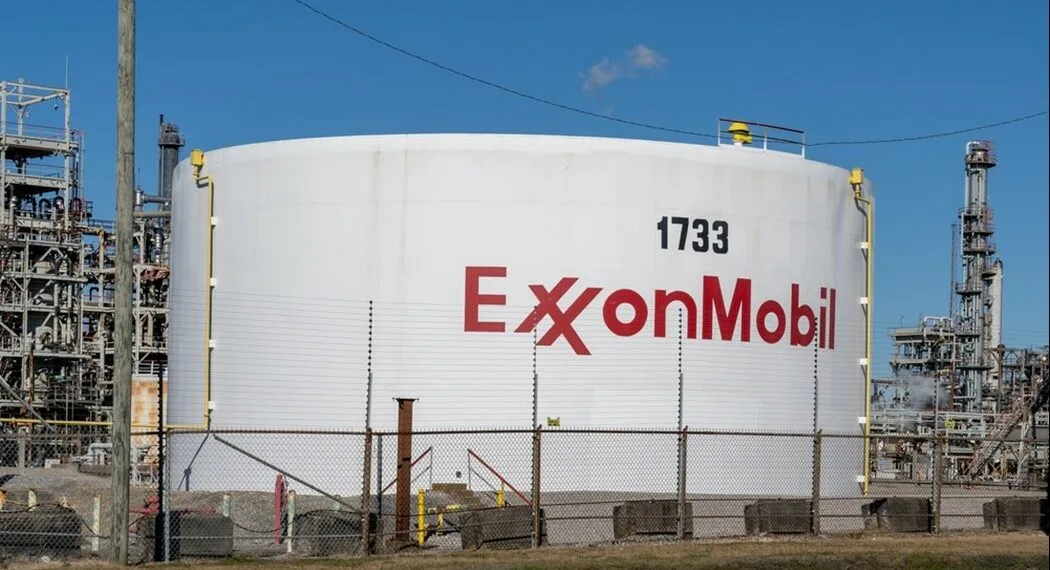
ExxonMobil, the American oil giant, anticipates a pivotal investment decision by the end of 2025 concerning its natural gas project in northern Mozambique.
This project, located in the Rovuma Basin, aims to significantly elevate Mozambique’s stature in the global natural gas market.
It is expected to produce an estimated 18 million tons of liquefied natural gas (LNG) annually, an increase from an initial 15.2 million tons.
Free daily brief — no card needed
Get every Africa story in one morning email
We build you a personalized brief around the topics you follow — free for 7 days. Love it? Your first month after that is US$1.
The project site in Cabo Delgado province has faced disruptions due to insurgent activities since 2017. These activities have impacted regional security and the pace of development.
However, improvements in security since a pause in March 2021 have allowed progress to gradually resume.
Africa’s Future Largest LNG Site Set for 2025 Decision.
The Rovuma LNG project is set to be Africa’s largest and one of its most significant historical developments. This marks a critical juncture for ExxonMobil and Mozambique.
It represents one of three major efforts to tap into one of the world’s largest natural gas reserves, found off the coast of Cabo Delgado.
Rio Times membership
Read everything we publish for US$1 in the first month.
ExxonMobil’s upcoming decision is crucial as it reflects not only on the company’s strategic direction but also on Mozambique‘s economic prospects.
The decision to proceed can transform Mozambique into a key LNG exporter. This would have profound implications for its economic stability and regional development.
In Addition, this investment decision will influence ExxonMobil‘s business trajectory.
The project will significantly impact Mozambique’s economy and enhance its global energy market interactions.
The outcomes of this project extend beyond immediate economic returns. They embed into broader geopolitical and economic frameworks that affect the region and the energy sector worldwide.
This article was produced by The Rio Times’ automated AI newsroom. Editorial responsibility: Matthias Camenzind, Publisher and Editor-in-Chief. The Rio Times also runs Ask Rio Times, which answers from 100,000+ of our own articles, the daily Latin America Power Map, and prediction-market odds on elections and markets.. How we use AI · Report an error