Africa Intelligence Brief — Tuesday, November 3, 2026
Executive Summary
Africa Intelligence Brief for November 3: South Africans vote in local elections, Tanzania awaits the Lissu verdict, and 50,000 cross into Kenya.
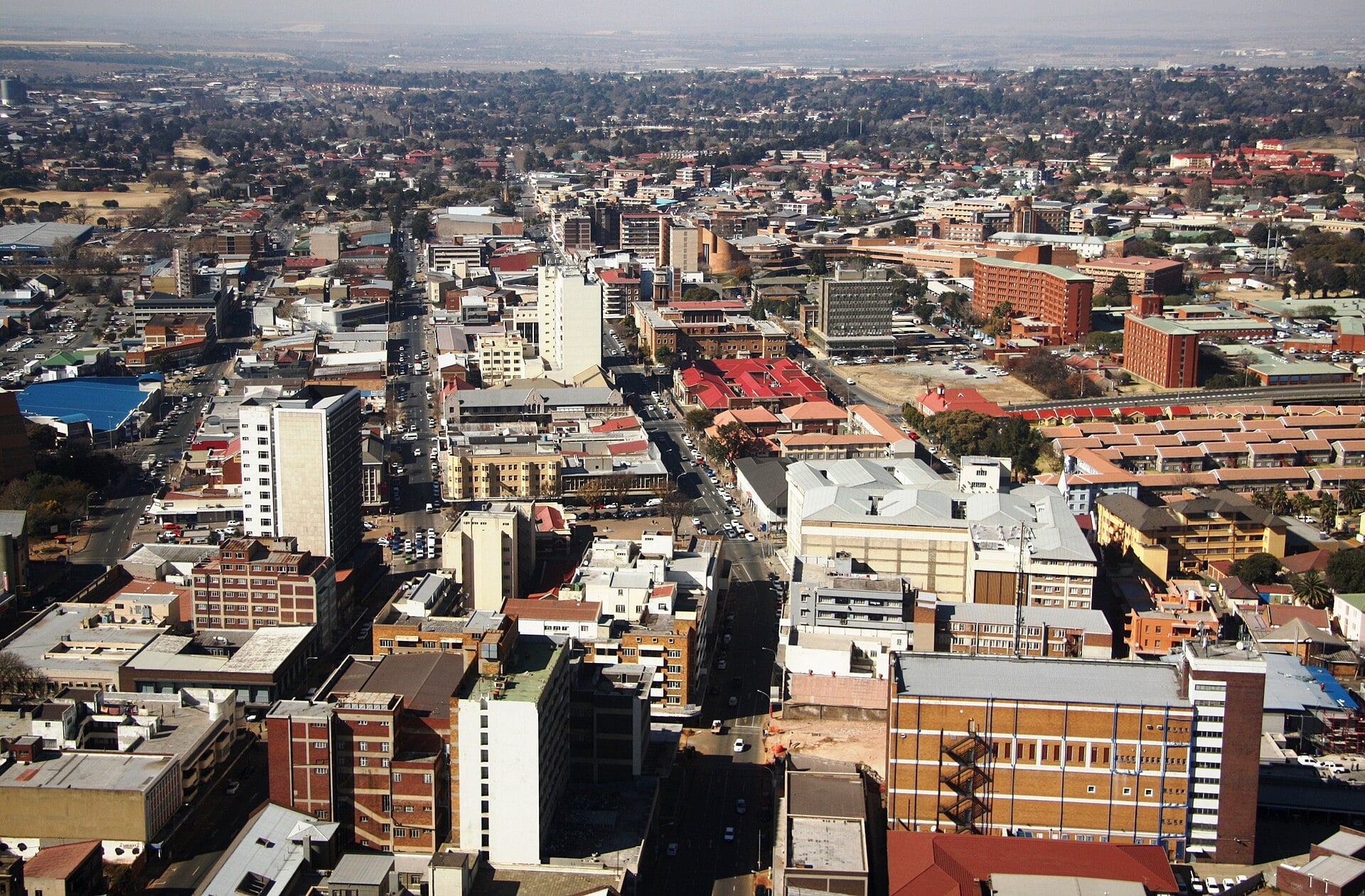
The region’s temper on Tuesday is one of held breath, as South Africans prepare to vote on Wednesday, Tanzanians wait for a treason verdict on Friday and families on the Kenyan border count the cost of a conflict next door. Pages from impact.sn dated 2 November and Naijanews dated 3 November show citizens bracing for events they cannot control rather than celebrating any of them.
The register is official and defensive: security chiefs promise readiness, ruling parties ask for renewed mandates and lawyers speak of political motives. Daily Maverick reported on 2 November that South Africa’s security cluster said it was ready for the vote, while Naijanews reported on 3 November that Vice-President Kashim Shettima urged Cross River residents to renew President Bola Tinubu’s mandate in 2027.
The through-line is trust under test: citizens are asked to believe in ballots, courts, borders and refineries at the very moment each of them is being questioned. From Pretoria to Dar es Salaam to Moyale, the open question is whether institutions can hold when the public expects them to fail.
Key Facts
Kenya border. About 50,000 people have crossed from Ethiopia into Kenya since 22 October.
South Africa vote. More than 29 million people are registered for local elections on Wednesday 4 November.
Tanzania verdict. Judgment in Tundu Lissu’s treason trial is due on Friday 6 November.
Nigeria petrol. Dangote Refinery cut petrol by ₦55 (US$0.04) to ₦1,210 (US$0.91) per litre.
Kemi Seba. A hearing on Benin’s extradition request for Kemi Seba is set for 20 November in South Africa.
Kenya And Ethiopia: Alarm At The School Gate
Moyale lives in alarm after three rocket-propelled grenades from Ethiopia landed in the town on Sunday 1 November, striking Sessi Primary School and the Meteorological Department offices. The Rio Times reported on 2 November that army bomb-disposal experts detonated them safely, that police have not said who fired them and that the UN has appealed for US$8.9m for three months.
The unanswered question of who fired is itself part of the mood, because without an author the fear has no address and every border town must assume the worst. impact.sn reported on 2 November that, on the fourth anniversary of the Pretoria accord, aid groups describe limited access and blocked returns for displaced people in Ethiopia, which shows how far peace on paper is from peace on the ground. A US reader should read Moyale as spillover from unresolved Ethiopian tensions, now pressing on a neighbour that is trying to hold its school year together.
South Africa: A Vote Without Trust
South Africa enters its local elections in a mood of weariness and expected fragmentation, as reporting on 2 November described Johannesburg as the fulcrum that could steady or topple coalitions from Tshwane to Nelson Mandela Bay. On 2 November 20 murders were recorded in the election period, with seven arrests, which shows that the fear around this vote is physical as well as political. A US reader should treat the result as a test of coalition politics, since hung councils and minority governance would make the bargaining after the count more important than the count itself.
Tanzania: The Held Breath Before Friday
TimesLIVE reported on 27 October that Lissu refused food that day and ended the protest after lunch, following a private meeting with his brother. The short hunger strike shows how a man facing a possible death sentence still uses his own body as a political instrument.
According to the same coverage, Lissu was arrested in April 2025, pleaded not guilty and says through his lawyers that the case is politically motivated. A US reader should read Friday as a gauge of how far Dar es Salaam tolerates opposition politics, and of the reputation the country will carry abroad whichever way the court rules.
Nigeria: Campaign Season Arrives Early
Nigeria has slipped into early campaign mode for 2027, as Naijanews reported on 3 November that Senator Oshiomhole criticised Peter Obi’s one-term pledge and Plateau governor Caleb Mutfwang blamed the Buhari administration for economic trouble. The relief at the pump gives allies of the president an argument they will happily claim as their own, while rivals will say that households still feel the squeeze. A US reader should read the early noise as a sign that Africa’s largest economy is already organising around the next contest, with the economy as the main battleground.
West Africa: Gold In Hand, Jihadists At The Door
impact.sn reported on 2 November that Guinea inaugurated its first gold refinery, a move that shows governments eager to keep more of the value of what lies under their soil. The mood is one of resource pride, tempered by the knowledge that security decides who can actually dig.
impact.sn also reported that the intelligence chiefs of Mali and Côte d’Ivoire met in Bamako over JNIM activity near their border. A US reader should see neighbours sharing intelligence out of necessity, while the same fragile frontier regions that hold mineral wealth also hold the greatest risk of violence.
What This Means From Latin America
Guinea’s first gold refinery, reported by impact.sn on 2 November, points towards African producers keeping more of the processing that Latin American exporters also seek to capture. The lower petrol price at Dangote Refinery, reported by Naijanews on 3 November, bears on diesel and crude flows that Brazilian traders watch, and a steadier Nigerian market could change who buys from whom. On diplomacy, Latin American foreign ministries with interests in the Horn of Africa and the Sahel will follow the Moyale spillover and the Bamako security talks as early signs of where regional alliances are heading.
What We Are Watching
- Tuesday, 3 November, 9:00 p.m. ET: Morocco Unemployment Rate: third-quarter data is due with a forecast of 12, following a previous reading of 9.5, according to the RT economic calendar. A jump of that size would show how much pressure households face.
- Wednesday, 4 November: South Africa local elections: voting is due across the country, with more than 29 million people registered, according to reports on 2 November. The result will show how fragmented councils become and which coalitions are possible.
- Wednesday, 4 November, 2:15 a.m. ET: South Africa S&P Global Composite PMI: October data is due with a forecast of 50.2, following a previous reading of 49. A move above 50 would signal expansion on the eve of the vote.
- Thursday, 5 November, 5:00 a.m. ET: Ghana Inflation Rate: October data is due with a forecast of 5.4, against a previous reading of 5.2. It shows whether living costs are easing or pressing harder on households.
- Friday, 6 November: Tanzania, Lissu judgment: the court is due to rule in the treason trial of the opposition leader. The outcome will set the tone for Tanzanian politics and its standing abroad.
- Tuesday, 10 November, 4:30 a.m. ET: South Africa Unemployment Rate: third-quarter data is due with a forecast of 32.5, following a previous reading of 33.6. It will show how much economic frustration voters carry out of the election.
Frequently Asked Questions
When do South Africans vote in the local elections?
Local government elections are on Wednesday 4 November 2026, with voting stations open from 7am to 9pm on a public holiday, according to sanews.gov.za on 30 April. A total of 10,526 council seats are contested, and more than 29 million people are registered, as reported on 2 November.
What happened in Moyale on 1 November?
Three rocket-propelled grenades from Ethiopia landed in the Kenyan town, striking Sessi Primary School and the Meteorological Department offices. Army bomb-disposal experts detonated them safely and nobody was hurt, the Rio Times reported on 2 November.
When is the verdict in Tundu Lissu’s trial?
Judgment in the treason trial is due on Friday 6 November, and the charge carries a possible death sentence. TimesLIVE reported on 27 October that Lissu ended a short hunger strike after meeting his brother.
Is the 2027 campaign in Nigeria already under way?
Naijanews reported on 3 November that Vice-President Kashim Shettima urged Cross River residents to renew Tinubu’s mandate in 2027. The same report said Senator Oshiomhole criticised Peter Obi’s one-term pledge.
This article was produced by The Rio Times’ automated newsroom system. How we use AI · Report an error · Editorial responsibility: Matthias Camenzind, Editor-in-Chief
Part of our ongoing coverage
Africa: The New Scramble — the great-power contest over the continent.
LatAm Markets: Live Signals → — real-time movers, turnover leaders and FX across Latin America.
Read More from The Rio Times