Zambia’s Opposition Leaders Deny Sedition
Zambia’s opposition leaders deny sedition over two live Facebook broadcasts made after the August vote, in a case that runs beside a separate treason charge.
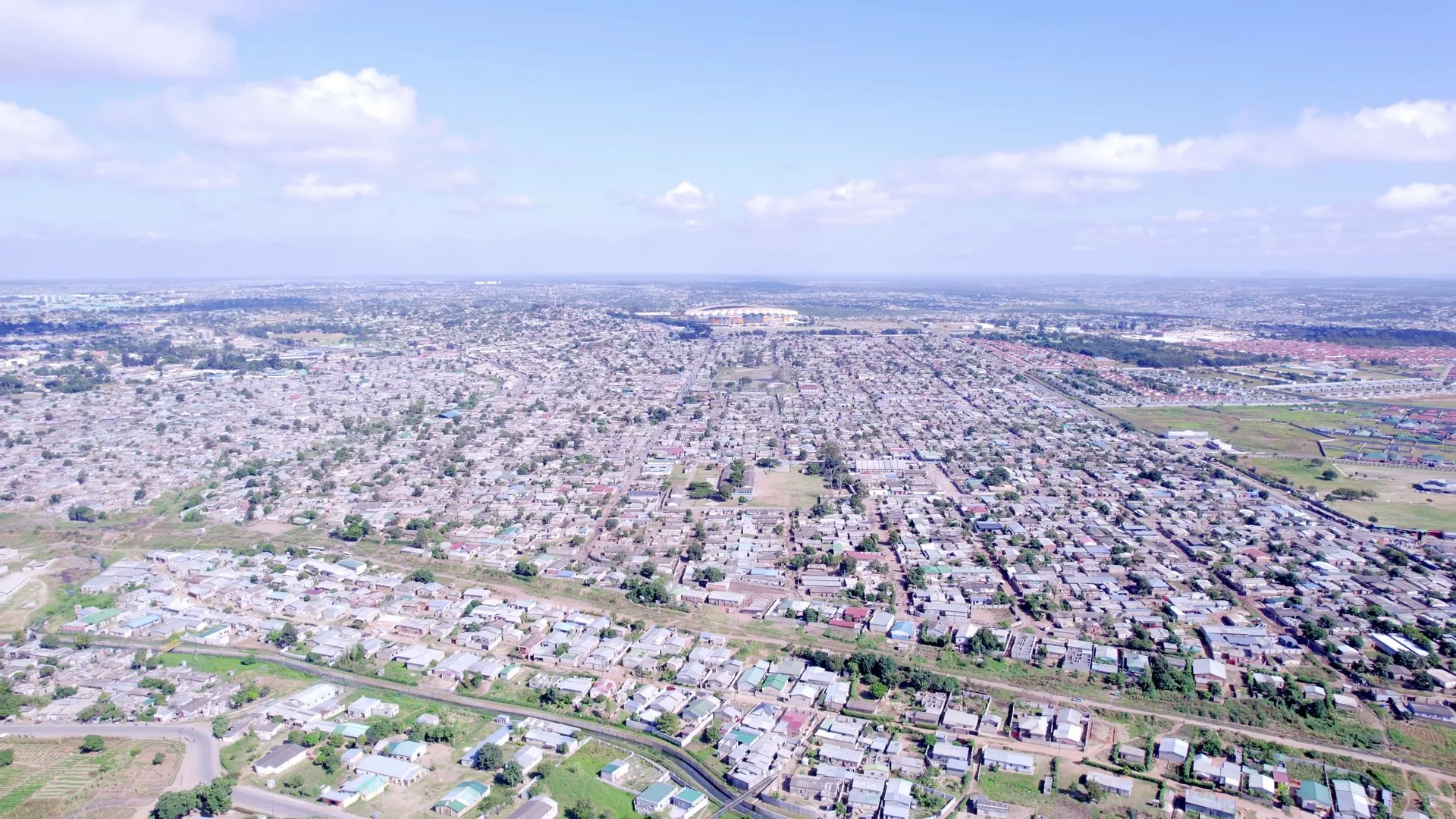
Zambia: Politics and Law
Brian Mundubile, who lost Zambia’s presidential election in August, and his running mate Makebi Zulu pleaded not guilty on Tuesday 24 November 2026 to two counts of seditious practices, an offence under Zambia’s Penal Code, over what they said online the day after the vote. The plea was entered before Webster Milumbe, a magistrate in Lusaka, the capital, and the trial is set to open in December.
Prosecutors allege that on 14 August 2026 each man used a live Facebook broadcast to challenge the official count, and both men deny it. The two also face a separate treason case, a charge of plotting to overthrow the government, and no court has tested any of the allegations.
Key Facts
- Who. Brian Mundubile, opposition presidential candidate, and running mate Makebi Zulu, a lawyer; both deny the charges.
- What. Two counts of seditious practices over Facebook broadcasts on 14 August; both pleaded not guilty.
- Where. A magistrate’s court in Lusaka, Zambia’s capital.
- Next. Bail hearing on Tuesday 1 December 2026, trial from Monday 14 December.
- As of 25 November 2026, 13:00 GMT
Zambia’s opposition leaders deny sedition over two live Facebook broadcasts made after the August vote, in a case that runs beside a separate treason charge.
Zambia voted on Thursday 13 August 2026, and the Electoral Commission of Zambia (ECZ, the state election body) declared President Hakainde Hichilema the winner on Tuesday 18 August. It gave him 2,965,326 votes, or 60.49% of valid votes, against 1,856,217 for Mundubile, or 37.87%.
The European Union’s election observation mission said in Lusaka on 15 August that election day was calm and voters had a competitive choice, but its chief observer, Michael McNamara, said: “Late legal changes, legal uncertainty, and unequal campaign conditions distorted the playing field”. The mission also said recently introduced cyber laws had raised concerns among journalists and online users.
Police charged Mundubile and Zulu with seditious practices on 11 September 2026 at Kabwe Central Police Station in the central city of Kabwe, under section 57 of Zambia’s Penal Code (chapter 87), after Mundubile had been charged with treason in late August. The offence, as the prosecution brings it, rests on what the two men said in those broadcasts rather than on any act.
Mundubile, who led the National Reconciliation Party for Unity and Prosperity (NRPUP) into the election, is accused of saying that his party’s own Parallel Vote Tabulation, a private count of polling-station results run outside the ECZ, showed NRPUP had won the presidency. He is also accused of calling on the ECZ to resume counting.
Zulu is accused of saying in his own broadcast that Mundubile would address the nation. Both men told Magistrate Milumbe on 24 November that they understood the charges and denied the allegations.
Sakwiba Sikota, Mundubile’s lawyer, said in September that the case rests on an announcement that Mundubile would address the nation. He questioned what was seditious about announcing a speech.
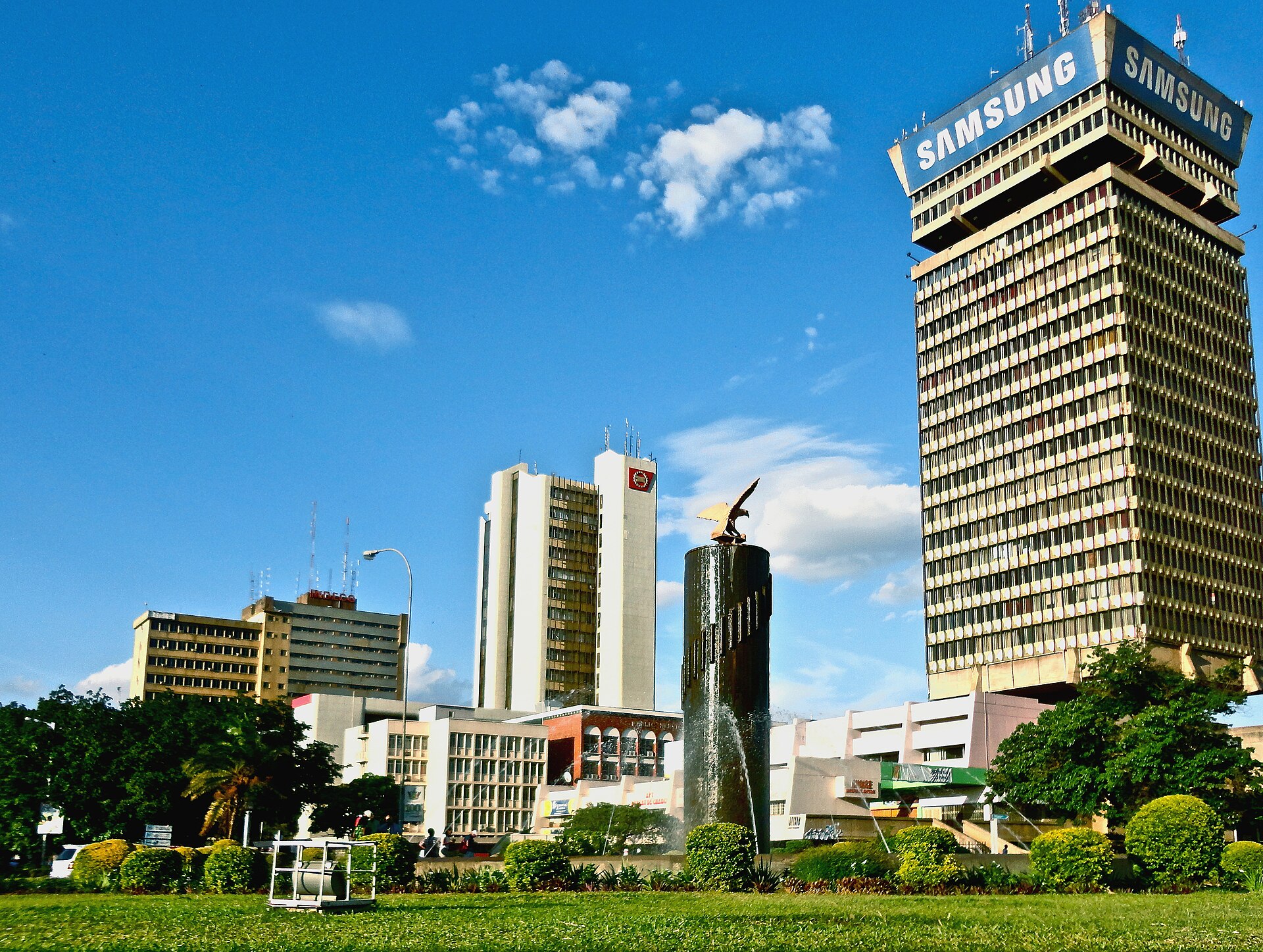
In mid-November the defence lawyers withdrew from the case, and the magistrate adjourned it to 24 November for possible plea. The prosecution is led by the office of the Director of Public Prosecutions (DPP, the state prosecutor), whose head is Gilbert Phiri.
The defence has applied for bail pending trial under section 123(1) of the Criminal Procedure Code, the law that governs how Zambian criminal cases are run. The court directed the defence to file its application first, and the State to respond before the hearing.
The magistrate will hear the bail application on Tuesday 1 December 2026. It follows a High Court direction that the two men should apply to the magistrate’s court first.
The sedition trial is set to begin on Monday 14 December 2026, so the bail ruling will come before any evidence is heard. The full wording of the two counts has not been published, so what each man is accused of saying rests on the prosecution’s account in open court.
The hearing did not touch the election result itself. The counts concern what was said, not who won, and the ECZ’s declaration of 18 August is not before the magistrate.
The treason case is separate. On Monday 23 November 2026 a magistrate sent Mundubile, Zulu and 12 other accused to the High Court, the country’s senior trial court, to stand trial on that charge, and no trial date has been fixed.
Gina Romero, the UN Special Rapporteur on the right to peaceful assembly and association (an independent expert who does not speak for the UN as a whole), said on Wednesday 2 September 2026: “Authorities must release all political detainees, respect fundamental freedoms, and restore democratic accountability”. She described the treason charges against Mundubile and Zulu as “concocted”.
Both men remain presumed innocent until a court rules. The allegations described here are the prosecution’s, and the defence denies each of them.
More news is on our Zambia page. For the wider picture, see who holds power in Zambia.
Frequently Asked Questions
What does seditious practices mean in this case?
It is a crime in Zambia’s Penal Code. The prosecution says the Facebook broadcasts were meant to stir discontent, and the defence denies it.
Will Mundubile and Zulu be released?
That depends on the magistrate’s decision at the bail hearing, and no ruling has been made. A separate treason case is also pending.
Is the sedition case the same as the treason case?
No. They are separate charges, heard in different courts, and what happens in one does not decide the other.
Sources: Electoral Commission of Zambia, declaration of 18 August 2026 and constituency results notice of 25 August 2026; European Union Election Observation Mission, preliminary statement, Lusaka, 15 August 2026; UN Special Rapporteur Gina Romero, statement of 2 September 2026; Lusaka magistrate’s court proceedings of 23 and 24 November 2026; Penal Code and Criminal Procedure Code of Zambia.
This article was produced by The Rio Times’ automated AI newsroom. Editorial responsibility: Matthias Camenzind, Publisher and Editor-in-Chief. The Rio Times also runs Ask Rio Times, which answers from 100,000+ of our own articles, the daily Latin America Power Map, and prediction-market odds on elections and markets.. How we use AI · Report an error