Who Runs Gaza Next? Inside Washington’s Demilitarization And Rebuild Plan
Key Points
- Washington says Gaza’s next stage must pair demilitarization with a temporary technocratic Palestinian administration.
- Mediators are discussing a 15-member committee to run civil affairs, but the plan depends on real disarmament.
- Hostage obligations, credible penalties, and a workable security model will decide whether rebuilding can begin.
The United States is trying to turn a ceasefire into a new political order. Trump envoy Steve Witkoff says Phase One held the truce, expanded aid access, freed all living hostages, and returned most bodies.
His Phase Two pitch is simple on paper and brutal in practice: remove weapons from Gaza, hand day-to-day governance to nonpartisan administrators, and start reconstruction once the guns are gone.
The administrative centerpiece is a transitional body widely reported as a National Committee for the Administration of Gaza.
Arabic and Hebrew coverage describes a 15-member, technocrat-heavy committee, with Egypt, Qatar, and Turkey cited as key brokers. Several accounts name Ali Abdel Hamid Shaath as the intended chair, with additional names expected.
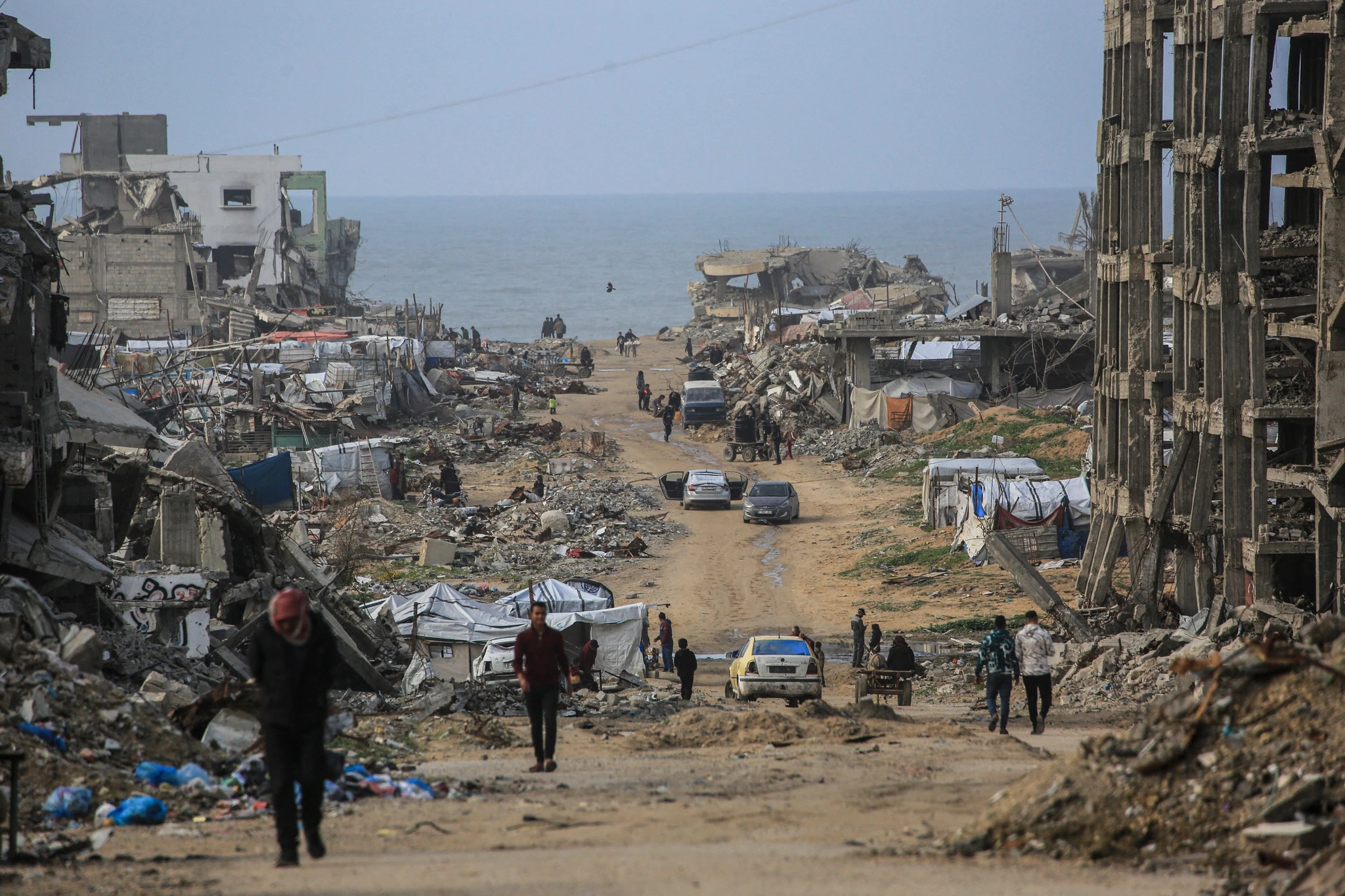
The story behind the story is leverage. Witkoff’s message to Hamas is that earlier commitments must be completed, including the return of the last deceased hostage; Israeli reporting identifies him as Ran Gvili.
He warned of “serious consequences” for noncompliance, without detailing the tools. That vagueness keeps pressure on Hamas while leaving room for bargaining.
U.S. plans Gaza stabilization Phase Two
U.S. briefings have floated an amnesty-style off-ramp for fighters who surrender weapons, signaling Washington wants exits that reduce incentives to sabotage the process.
Israel remains doubtful Hamas would disarm, and military operations have continued in areas where armed networks are believed to persist.
Proposals for an international stabilization force and a vetted Palestinian police component reflect the same dilemma: Gaza needs security that prevents rearmament without returning power to militias.
Oversight is also being sketched. Reporting describes a “Board of Peace” chaired by Trump and cites former UN envoy Nickolay Mladenov in a supervisory role.
In plain terms, Phase Two is a wager that competence, conditional aid, and credible penalties can beat the logic of armed governance.
Related coverage: Brazil’s Morning Call | Brazil Tests Aerial Taxis As São Paulo, Rio Plan First Verti This is part of The Rio Times’ daily coverage of global affairs and Latin American financial news.
More: Egypt news in English, every day from The Rio Times.
This article was produced by The Rio Times’ automated newsroom system. How we use AI · Report an error
Read More from The Rio Times