
GUIDES · EGYPT
Key Facts
- —The country Egypt guards the Suez Canal and was Africa’s top FDI destination for a fourth straight year in 2025, per UNCTAD.
- —The money Foreign direct investment reached US$15.45 billion in 2025, down from a revised US$46.58 billion in 2024, when the UAE’s Ras El Hekma deal landed.
- —United States About US$1.3 billion a year in military aid. A waiver of human rights conditions on US$320 million of it, signed by the State Department, was reported on 1 October 2026.
- —Lenders The IMF’s US$8 billion loan programme expires on 15 December 2026. The EU had paid €3.5 billion (about US$3.9 billion) of a €5 billion (about US$5.6 billion) loan package by July 2026.
- —Gulf and Asia Abu Dhabi committed US$35 billion in the Ras El Hekma deal and Qatar US$29.7 billion for Alam El Roum. Chinese firms had invested over US$4.7 billion in the Suez zone by June 2026.
- —Diaspora Egyptians abroad sent home a record US$36.5 billion in the fiscal year to June 2025, per the Central Bank of Egypt.
Egypt foreign money comes from almost every direction: American military aid, Gulf land deals, European gas companies, Chinese factories and a Russian nuclear loan. Each partner wants something different, from a quiet Sinai border to a Mediterranean beachfront. For US readers, the mix decides how stable the Suez Canal route and Egyptian debt remain.
This guide maps who brings money into Egypt, how much, over what period, and what each wants back. It complements our Egypt Geopolitics Explained 2026, which covers diplomacy and conflict. Figures are dated, and the euro is converted at US$1.1206, the European Central Bank reference rate of 9 October 2026.
Who Brings Money to Egypt and Why
The best single yardstick is foreign direct investment (FDI), money that buys or builds lasting stakes in companies and projects. UNCTAD, the UN trade and development agency, counted US$15.45 billion of FDI into Egypt in 2025. That was down 66.8 percent from a revised US$46.58 billion in 2024.
The fall looks dramatic but is mostly arithmetic. The 2024 total was inflated by Abu Dhabi’s US$35 billion Ras El Hekma deal, a one-off. UNCTAD said underlying inflows rose by about a quarter in 2025, helped by Qatar’s Alam El Roum project. Ahram Online, the state-owned English news site, reported the figures in July 2026.
Even after the drop, Egypt took more than a fifth of all FDI into Africa, which UNCTAD put at US$69.5 billion in 2025. Guinea came second with US$7.7 billion. Egypt also hosted four of the continent’s ten largest project-finance deals announced that year.
The Egypt foreign investment story therefore rests on a few very large partners. They fall into five groups:
- The United States, which pays for security and sells gas, grain and weapons.
- The Gulf states, which buy land and park deposits at the central bank.
- Europe, through energy companies and an EU loan package.
- China and Russia, through an industrial zone and a nuclear plant.
- Multilateral lenders such as the IMF and the World Bank, plus aid agencies and the diaspora.
The United States: Security First, Then Gas and Trade
The US relationship rests on the 1978 Camp David Accords and the Egypt-Israel peace treaty of 26 March 1979. Since 1978, Washington has given Egypt more than US$50 billion in military aid and over US$30 billion in economic aid, the State Department says.
Military aid now runs at about US$1.3 billion a year, mostly through Foreign Military Financing (FMF), grants for buying US weapons. Congress ties part of it to human rights. Secretary of State Marco Rubio waived those conditions on US$320 million of FY2025 aid, Al-Monitor reported on Thursday 1 October 2026.
His memo cited Egypt’s “helpful role” after Operation Epic Fury, the US campaign against Iran. For Washington, the aid underpins the peace between Egypt and Israel and keeps Cairo close during regional wars.
Troops and Exercises
The US has no base in Egypt, but its soldiers serve in the Multinational Force and Observers (MFO). This independent peacekeeping force monitors the Sinai security terms of the 1979 treaty. The MFO lists 22 supporting states and an authorised strength of 1,164 troops.
The two armies also co-host Bright Star, a large multinational exercise. The 2025 edition ran from 28 August to 10 September at Mohamed Naguib Military Base. More than 40 nations took part, Military Africa reported.
American Companies and Trade
The largest US corporate presence is in oil and gas. Apache, the Egypt arm of Houston-based APA Corporation, operates mostly in the Western Desert. Its gross Egyptian output averaged 207,000 barrels of oil equivalent a day in the second quarter of 2026. That figure comes from the trade publication Egypt Oil & Gas.
In August 2026 Petroleum Minister Karim Badawi met Apache chief executive John Christmann to review a five-year plan to raise output. Egypt Oil & Gas reports that Apache has committed US$4 billion in Egypt over three years.
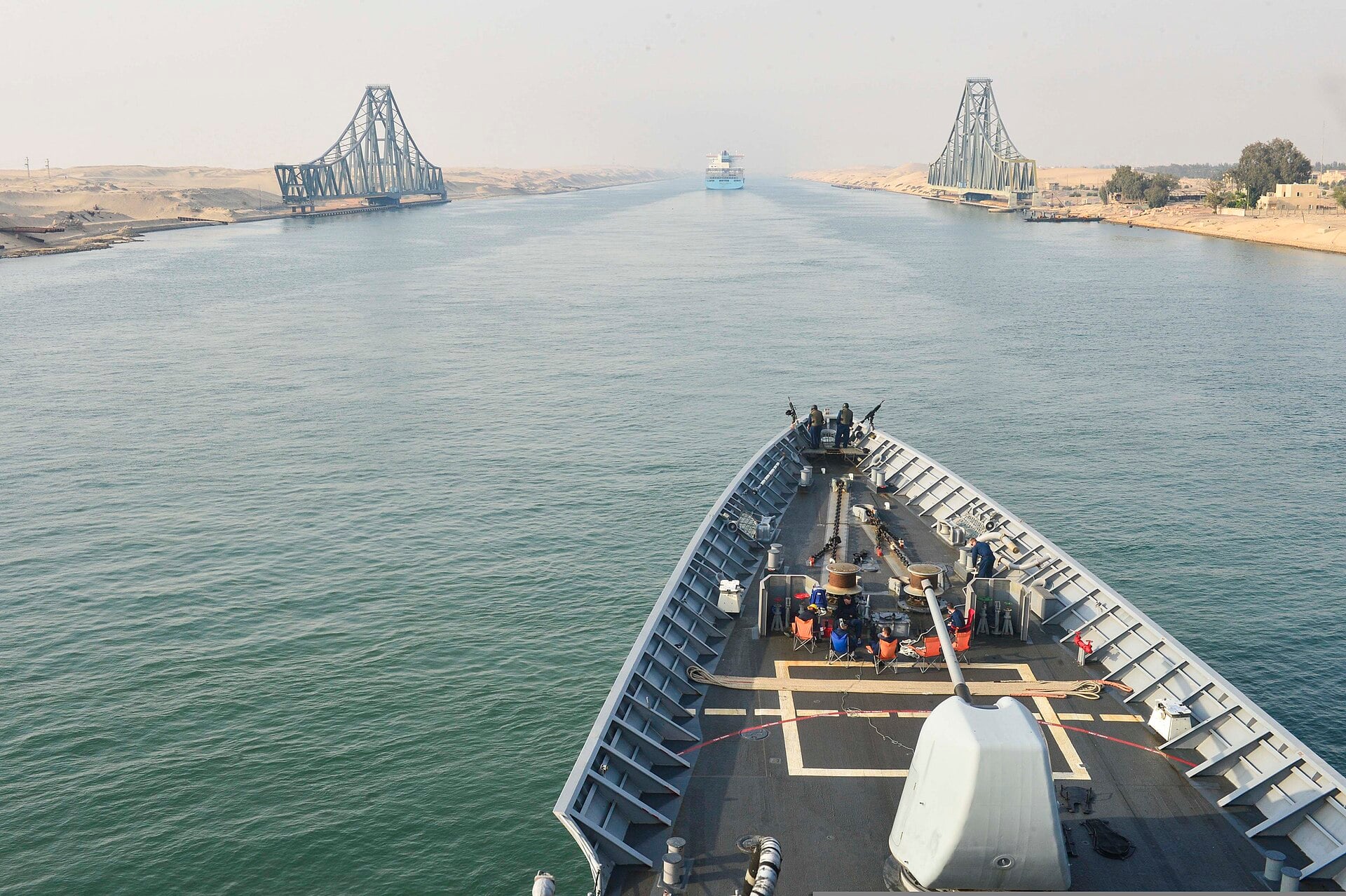
Trade runs strongly in America’s favour. US goods exports to Egypt reached US$9.43 billion in 2025, against imports of US$2.85 billion, Census Bureau data show. US exports reached US$8.29 billion in January to August 2026 alone.
Gas is the new link. In April 2026 the Export-Import Bank of the United States, the federal export credit agency, approved more than US$2 billion in credit insurance. It covers US liquefied natural gas shipped to the state-owned Egyptian General Petroleum Corporation in 2026 and 2027.
The Gulf States: Land Deals and Central Bank Deposits
The Gulf monarchies are among Egypt’s biggest investors and have repeatedly propped up its reserves with deposits. They want a stable, friendly Egypt, prime coastline at low entry prices and returns for their sovereign wealth funds.
United Arab Emirates. ADQ, an Abu Dhabi sovereign investor, committed US$35 billion to Egypt in the 2024 Ras El Hekma deal. That included US$24 billion for the development rights to more than 170 square kilometres on the Mediterranean coast. The other US$11 billion of UAE deposits was converted into investments across Egypt. The Egyptian state keeps a 35 percent stake in the project.
Qatar. On Thursday 6 November 2025, Qatari Diar, a state-owned Qatari real estate developer, signed a US$29.7 billion deal for Alam El Roum. The site covers more than 20 million square metres in Matrouh governorate. Egypt’s New Urban Communities Authority receives 15 percent of net profits once costs are recovered.
Saudi Arabia. Riyadh’s support has come mainly as central bank deposits. In March 2022 it placed US$5 billion with the Central Bank of Egypt, lifting its deposits to US$10.3 billion, the Saudi Press Agency reported. Egypt’s cabinet said the Public Investment Fund, the kingdom’s sovereign wealth fund, would also invest in Egypt.
Europe: Gas Companies and the EU Package
Europe’s weight comes from energy companies and from Brussels. Italy’s Eni operates Zohr, Egypt’s giant offshore gas field in the Mediterranean. Eni CEO Claudio Descalzi met President Abdel Fattah el-Sisi, Egypt’s head of state since 2014, on Tuesday 25 August 2026. Eni then announced about US$8 billion of new spending over five years. It plans 230 wells, on top of US$8.5 billion invested since 1954.
Britain’s BP is Eni’s partner in the Denise development lease off the Nile Delta. Both are working with the state oil company towards an investment decision on Denise West.
The European Union signed a strategic partnership with Egypt worth €7.4 billion (about US$8.3 billion) for 2024 to 2027. Up to €5 billion (about US$5.6 billion) of it is macro-financial assistance, budget loans tied to reforms. By late July 2026 the EU had disbursed €3.5 billion (about US$3.9 billion), the EU delegation in Cairo said. One €1.5 billion (about US$1.7 billion) tranche is left.
Brussels wants fewer irregular departures across the Mediterranean, more gas for Europe and a stable neighbour. Cairo wants cheap long-term money and access to the EU market.
China and Russia: Factories and a Nuclear Plant
China’s main foothold is the China-Egypt TEDA Suez Economic and Trade Cooperation Zone on the Suez Canal. By the end of June 2026, more than 200 companies had invested over US$4.7 billion there. They created more than 10,000 direct jobs, according to Chinese official figures cited by Ahram Online.
Chinese President Xi Jinping made his first visit to Egypt since January 2016, ending on Wednesday 2 September 2026. The sides launched a third phase of the zone, and ZC Rubber agreed to study a US$500 million tyre plant. Prime Minister Mostafa Madbouly, who heads the cabinet, said in August 2026 that Chinese investment had passed US$10 billion.
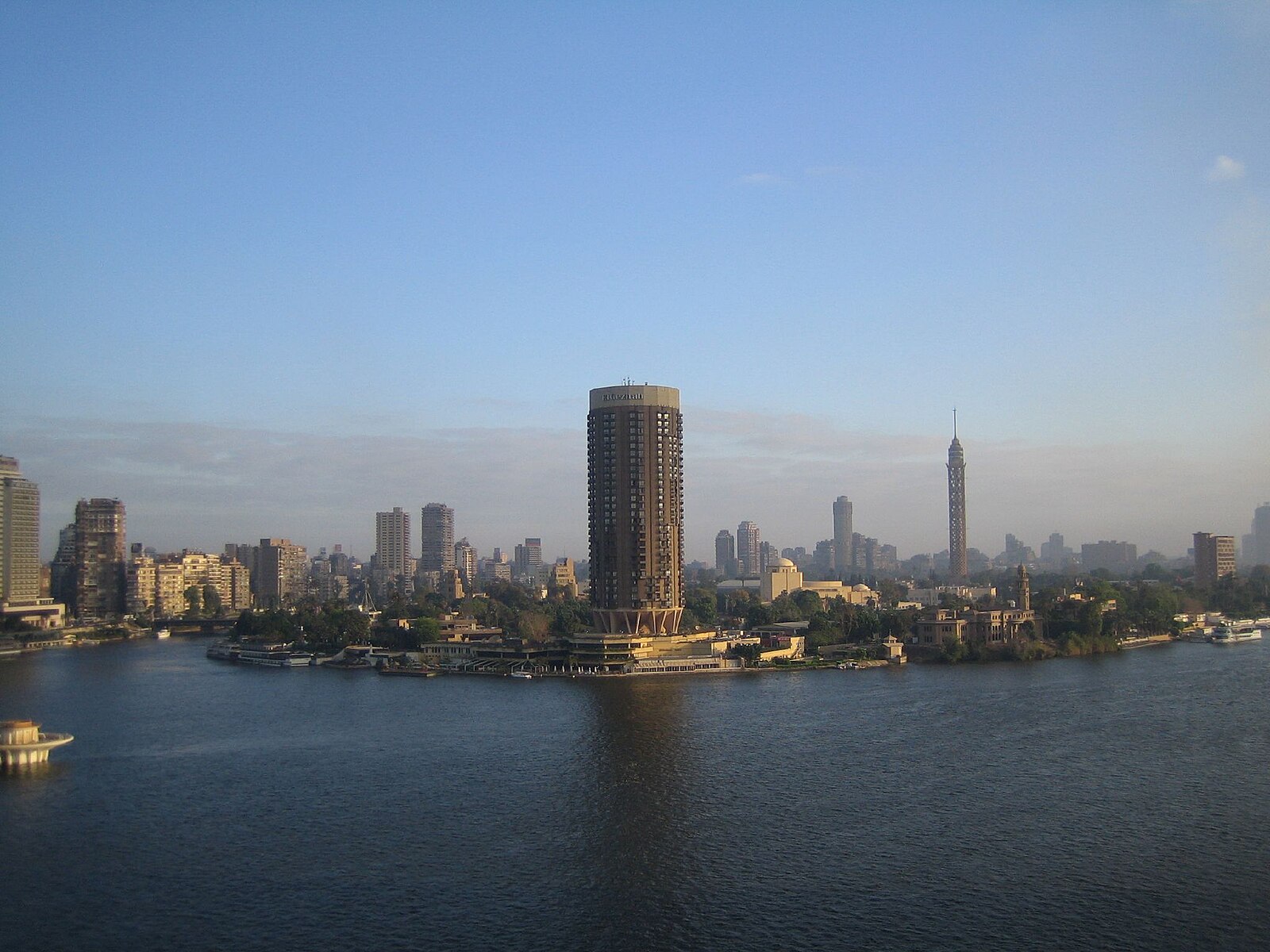
Bilateral trade was about US$19.52 billion in 2025, according to Egypt’s investment and foreign trade ministry. China wants a manufacturing base with tariff-free access to Africa and Europe, close to its shipping lanes.
Russia’s stake is El Dabaa, a 4,800-megawatt nuclear plant with four reactors built by Rosatom, the Russian state nuclear company. The project is estimated at US$25 billion and is largely financed by a Russian state loan. The first reactor is due to start in 2028, the rest by 2030, Egyptian Streets reported in April 2026.
The Lenders: IMF, World Bank and Others
The International Monetary Fund (IMF), the Washington-based crisis lender, runs Egypt’s largest reform programme. Its Extended Fund Facility is worth US$8 billion and expires on 15 December 2026.
On 30 July 2026 the IMF board completed the seventh review, releasing about US$1.77 billion. That included US$272 million from a separate climate-focused Resilience and Sustainability Facility. Drawings under both arrangements total about US$7.3 billion, Ahram Online reported.
The World Bank Group pledged more than US$6 billion over three years in March 2024. Half was for government programmes and half for private sector deals through its IFC and MIGA arms. These lenders want fiscal discipline, a flexible pound and a smaller role for state and military firms in the economy.
Aid Agencies, Refugees and the Diaspora
Egypt hosts one of the largest refugee populations in Africa. As of 30 September 2026, UNHCR, the UN refugee agency, counted 1,084,858 registered refugees and asylum-seekers. Sudanese make up 78 percent, most of them having fled the war at home.
Their presence makes Egypt a central partner for UN agencies and for European donors focused on migration.
The diaspora is now Egypt’s largest source of hard currency. Remittances hit a record US$36.5 billion in the fiscal year to June 2025, up 66.2 percent, the central bank said. The jump followed Egypt’s move to a flexible exchange rate in March 2024.
Together, these flows helped lift net international reserves to a record US$57.35 billion at the end of September 2026, per provisional central bank data.
What It Means for US Readers
- Investors: Egypt is a frontier market propped up by Gulf money and the IMF. The end of the IMF programme on 15 December 2026 is the next big test for its bonds and the pound.
- Energy and shipping: US gas sellers, backed by EXIM insurance, now have a growing customer in Egypt. Suez Canal stability matters for freight rates on Asia to US East Coast routes.
- US policy: Congress debates the US$1.3 billion yearly military aid every budget cycle. The 2026 waiver shows the executive branch values Egypt’s regional role above the human rights conditions.
- Expats and travellers: Gulf-funded coastal resorts such as Ras El Hekma and Alam El Roum are long-term projects, so expect building work along the north coast for years.
- Companies: Chinese rivals are building factories in the Suez zone. US firms competing for Egyptian contracts face Chinese financing on one side and Gulf capital on the other.
Connected Coverage
Egypt Geopolitics Explained 2026
Who Runs Egypt’s Economy, the Key Players in 2026
Egypt’s US$8bn IMF Programme Ends 15 December
Egypt and China Expand the Suez Zone and Widen Their Currency Swap
What Is Not Known
- Whether Egypt will ask the IMF for a new programme after 15 December 2026. Neither side has announced one.
- When the EU will release its final €1.5 billion (about US$1.7 billion) tranche, which depends on remaining reform conditions.
- How much of the Ras El Hekma and Alam El Roum money has been spent on the ground, beyond the upfront payments.
- Whether the El Dabaa nuclear plant will meet its 2028 start date, and the full terms of the Russian loan.
- How long Washington will keep waiving human rights conditions on military aid.
Frequently Asked Questions
Who are the biggest foreign investors in Egypt?
The Gulf states lead. Abu Dhabi committed US$35 billion through the Ras El Hekma deal in 2024 and Qatar US$29.7 billion to Alam El Roum in November 2025. Italian energy group Eni, US oil company Apache and Chinese firms in the Suez zone are also major investors.
How much foreign direct investment did Egypt receive in 2025?
UNCTAD counted US$15.45 billion in 2025, down 66.8 percent from a revised US$46.58 billion in 2024. The 2024 figure was inflated by the one-off Ras El Hekma deal, and Egypt still remained the largest FDI destination in Africa.
How much military aid does the United States give Egypt?
About US$1.3 billion a year. In a waiver reported on 1 October 2026, Secretary of State Marco Rubio lifted human rights conditions on US$320 million of FY2025 aid, citing the role Egypt played after the US campaign against Iran.
When does the IMF programme for Egypt end?
The US$8 billion Extended Fund Facility expires on 15 December 2026. The seventh review was completed on 30 July 2026, and no successor programme has been announced.
What is China doing in Egypt?
Its main project is the TEDA industrial zone on the Suez Canal, where more than 200 companies had invested over US$4.7 billion by June 2026. President Xi Jinping visited Egypt in September 2026.
How important are remittances for Egypt?
Very. Egyptians abroad sent home a record US$36.5 billion in the fiscal year to June 2025, up 66.2 percent on the year before, making remittances the largest source of foreign currency.
Sources: Investment data from UNCTAD, aid and trade from the US State Department, Census Bureau and EXIM, lending from the IMF, World Bank and EU, refugee data from UNHCR and remittance and reserve figures from the Central Bank of Egypt, all accessed 11 October 2026.
- Ahram Online: UNCTAD World Investment Report 2026 figures for Egypt
- US State Department: US relations with Egypt
- Al-Monitor: military aid waiver, October 2026
- US Census Bureau: trade in goods with Egypt
- Export-Import Bank of the United States: LNG insurance for Egypt
- Multinational Force and Observers
- Military Africa: Bright Star 2025
- Egypt Oil & Gas: APA Egypt output, Q2 2026
- Zawya: petroleum minister reviews Apache plan
- Egypt Innovate: Ras El Hekma deal terms
- Egyptian Streets: Qatari Diar Alam El Roum deal
- AGBI: Saudi deposits at the Central Bank of Egypt
- Journal of Petroleum Technology: Eni plan for Egypt
- EU Delegation to Egypt: macro-financial assistance
- Ahram Online: TEDA Suez zone
- Ahram Online: Xi Jinping visit to Egypt
- Ahram Online: Egypt-China trade and investment
- Egyptian Streets: El Dabaa nuclear plant
- Ahram Online: IMF seventh review
- International Monetary Fund: Egypt country page
- World Bank Group: US$6 billion support statement
- UNHCR: refugees and asylum-seekers in Egypt
- Daily News Egypt: CBE remittances FY2024/25
- Arab News: CBE net international reserves
- European Central Bank: euro reference rates
This article was produced by The Rio Times’ automated newsroom system. How we use AI · Report an error · Editorial responsibility: Matthias Camenzind, Editor-in-Chief
Part of our ongoing coverage
Africa: The New Scramble — the great-power contest over the continent.