USA & Canada Intelligence Brief — Thursday, November 26, 2026
Executive Summary
USA & Canada Intelligence Brief for November 26: a 50% auto tariff threat for January 1, a Bank of Canada at 2.5% and Montréal tax anger.
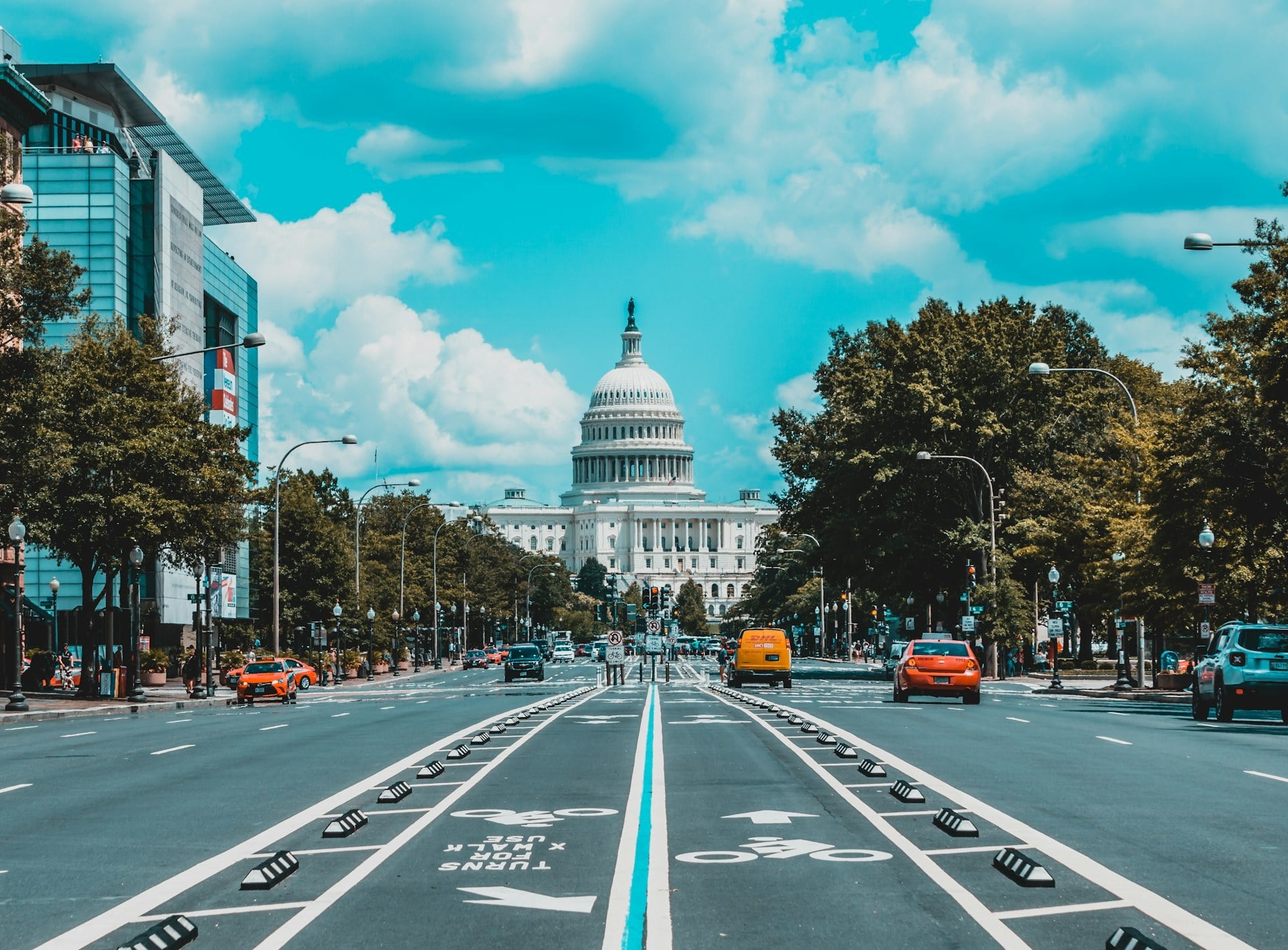
Thanksgiving finds both countries in a mood of pressure, with Washington escalating its trade quarrels and Ottawa answering as a partner that refuses to plead. Washington speaks in proposals and public rebukes, and its Democratic opponents answer in kind on social media. Ottawa speaks in the language of responsibility, steady in tone and careful never to sound supplicant.
The through-line is a contest of patience in which each government wants to look able to wait. The calendar disagrees, because deadlines in December and January keep pulling both capitals towards a bargain.
Key Facts
Tariffs. The United States and Canada remain in talks on tariffs for steel, aluminium and autos.
Steel and autos. US tariffs on Canadian autos are 25%; Trump has said autos and steel go to 50% on 1 January 2027.
Rates. The Bank of Canada’s policy rate is 2.5%, and its next decision falls on 9 December.
Parliament. The committee on Bill C-39 sat more than 100 hours over seven days, finishing on 23 November.
Montréal. The proposed 2027 budget raises the average residential property tax bill by 9.8%, about C$515.
Ottawa: Responsibility As A Posture
CP24, citing the Canadian Press, reported on 25 November that a Pentagon fact sheet issued on 23 November said Canada’s defence spending limits its ability to help protect North America. Carney replied, according to CTV and CBC the same day, that Trump has not raised these complaints with him and that Canada is making “historic investments” in its military.
Defence Minister David McGuinty said, according to CP24 on 25 November, that he has not seen an allegedly leaked classified memo that reportedly restricts some military co-operation with Canada. The tone is calm and the substance firm, so a US reader should see a government that wants to be judged as an ally by its actions rather than lectured through documents.
Trade: Hope Under The Clock
Global News reported on 25 November that US Trade Representative Jamieson Greer said Washington wants a deal that “accommodates” Canada on steel, aluminium and autos. Carney and Trump met in Shenzhen the previous week, and Carney’s office said they agreed to keep working towards a “mutually beneficial” deal.
Global News added that chief negotiator Janice Charette told a federal advisory committee, according to sources briefed by the government, that multiple trade issues remain unresolved, the biggest being the auto tariff. The mood is cautious hope, and since the same report tied the renewed effort to Republican losses in the midterms, domestic price anger rather than goodwill looks like the engine.
Montréal: A Tax Bill And A Tactless Meal
Global News reported on 25 November that Mayor Soraya Martinez Ferrada suggested in an interview with Quatre95 that people may eat a little more Kraft Dinner because they cannot afford filet mignon, and later called the analogy “pretty tactless” on social media. The remark stung because it turned a tax bill into a question of dignity, and Projet Montréal and food-security groups criticised it.
Global News said a protest called “Soraya Dinner” is planned for 1 p.m. today outside city hall. For a US reader it is a reminder that cost-of-living anger is not only an American story, and that it can topple the reputation of a local leader in a single sentence.
Parliament: Haste As A Governing Style
The Canadian Press reported on 25 November that Bloc MP Gabriel Ste-Marie called the schedule for Bill C-39 “inhumane”, Conservative MP Branden Leslie called it “pretty brutal”, and NDP MP Heather McPherson said she had never seen anything like it in more than seven years. Carney countered that hours of clause-by-clause review are a better measure than days and that this is his government’s most consequential economic bill.
The Canadian Press added that the Senate has started its review before third reading and that its witness list already exceeds the House committee’s. The row shows a government in a hurry to build, an opposition that reads haste as disrespect, and a country in which speed itself has become the argument.
What This Means From Latin America
Mexico is the clearest beneficiary of the Canadian-American quarrel, since DesRosiers data reported by the Canadian Press on 25 November show its share of Canada’s light vehicle imports rising to 20.5% from 16.7%. For Latin America, the lesson is that friction between Washington and Ottawa can redirect supply chains toward Mexico.
What We Are Watching
- Friday 27 November, 8:30 a.m. ET: US trade balance for October: The forecast is -133 against -134.9 previously. It shows how the tariff standoff is shaping the deficit.
- Monday 30 November, 8:30 a.m. ET: Canada third-quarter GDP: The previous quarter grew 0.8%, or 3.3% annualised. BNN Bloomberg reported on 24 November that Macklem said the Bank of Canada will weigh it before its December decision.
- Tuesday 1 December, 10:00 a.m. ET: US ISM manufacturing: The PMI is forecast at 55.2 against 55.5, and the prices index previously stood at 75.2. It shows whether factory costs still feed the price anger.
- Date to be confirmed: Jensen Huang before the Senate Banking Committee: Jensen Huang, Nvidia’s former chief executive, has agreed to testify before the Senate Banking Committee, which had asked for 3 December, but no hearing date has been confirmed. Huang resigned as Nvidia chief executive on 12 November, and the company’s board has said it does not plan to reinstate him. The hearing would test bipartisan unease over AI chip sales to China.
- Wednesday 9 December, 9:45 a.m. ET: Bank of Canada decision: The policy rate stands at 2.5%, and economists expect a hike. It is the last decision of 2026.
- Saturday 12 December: US funding deadline: Two Louisiana races go to runoffs the same day.
Frequently Asked Questions
What is the Pentagon’s complaint about Canada?
CP24, citing the Canadian Press, reported on 25 November that a Pentagon fact sheet said Canada’s defence spending limits its ability to help protect North America. Carney replied that Trump has not raised these complaints with him and that Canada is making “historic investments”.
Where do US-Canada tariff talks stand?
Global News reported on 25 November that Jamieson Greer said Washington wants a deal that “accommodates” Canada on steel, aluminium and autos. The 25% US tariff on Canadian autos could double to 50% from 1 January 2027 if no deal is reached.
Why is Montréal’s mayor under fire?
Mayor Soraya Martinez Ferrada suggested people may eat more Kraft Dinner because they cannot afford filet mignon, then called the remark “pretty tactless”, Global News reported on 25 November. The comment came as the city proposes raising the average residential property tax bill by 9.8% in 2027.
What is the Bank of Canada expected to do on 9 December?
Global News reported on 25 November that economists expect a rate hike after the Bank raised its rate by 25 basis points to 2.5% on 28 October. BMO’s Sal Guatieri expects at least 25 basis points more, which would take the rate to 2.75%.
This article was produced by The Rio Times’ automated AI newsroom. Editorial responsibility: Matthias Camenzind, Publisher and Editor-in-Chief. The Rio Times also runs Ask Rio Times, which answers from 100,000+ of our own articles, the daily Latin America Power Map, and prediction-market odds on elections and markets.. How we use AI · Report an error
Read More from The Rio Times