USA & Canada Intelligence Brief — Saturday, October 10, 2026
Executive Summary
USA & Canada Intelligence Brief for October 10: Quebec separatists win minority government; Alberta sovereignty vote looms; US inflation expectations rise.
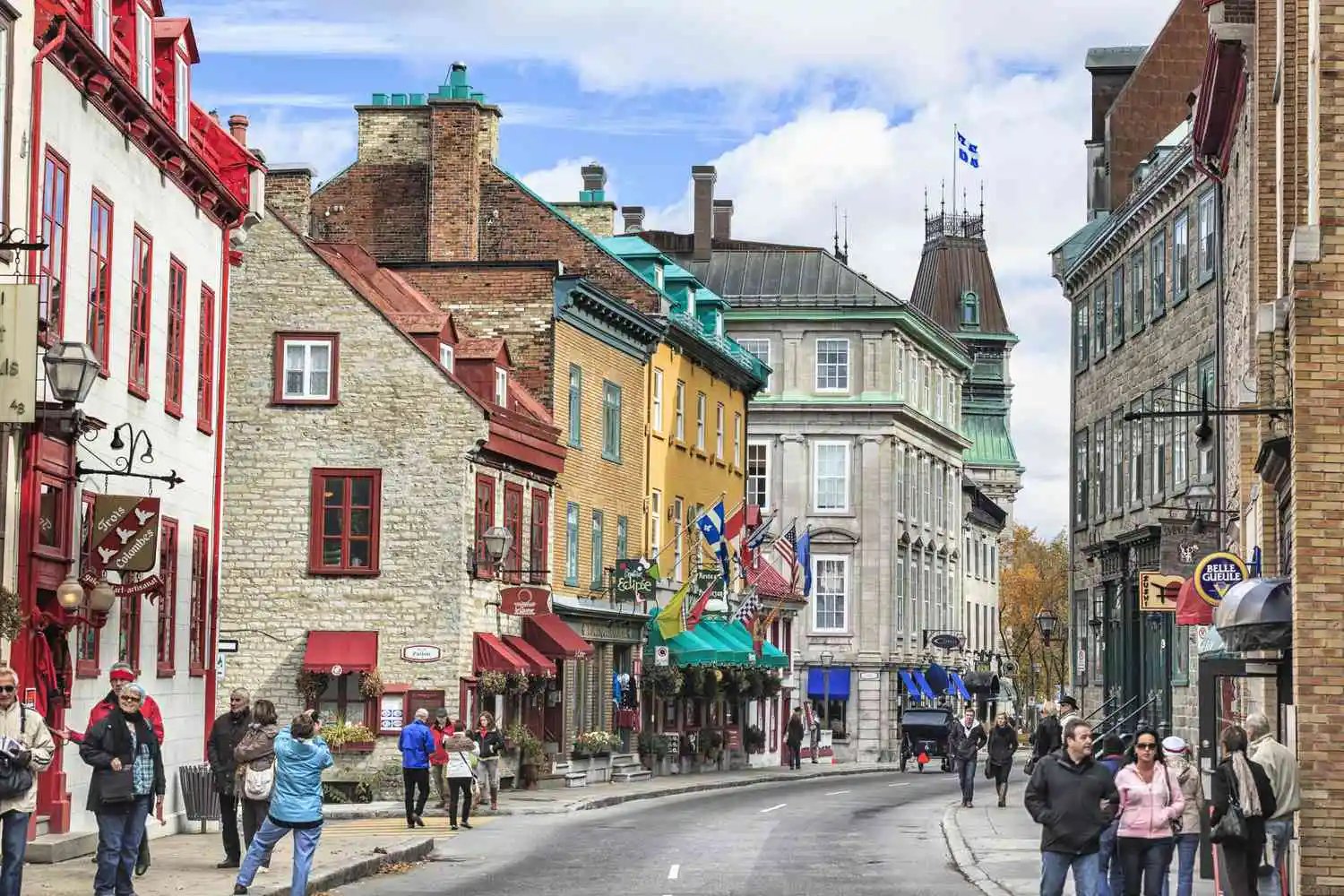
North America’s temper on Saturday is one of renewed constitutional anxiety in Canada and cautious economic watchfulness in the United States. Quebec has returned a separatist party to power, Alberta is nine days from a sovereignty referendum, and federal leaders are spending political capital defending the idea of a single country. The American side of the brief is quieter but not calm: inflation expectations are edging upward, and the labour market is showing strain on both sides of the border.
The register is defensive and declarative. Prime Minister Mark Carney, Conservative Leader Pierre Poilievre, Alberta Premier Danielle Smith and Saskatchewan Premier Scott Moe all rejected Elon Musk’s call for Quebec, Alberta and Saskatchewan to separate, according to CBC News on 10 October 2026. The language is about self-determination and Canadian control, but the repetition of unity pledges reveals how seriously the threat is being taken.
The through-line is a federation under simultaneous pressure from within and without. Separatist politics have returned to Quebec, western alienation is being tested at the ballot box, and economic weakness is eroding the federal government’s room to manoeuvre. Washington is watching a northern neighbour whose internal cohesion can no longer be taken for granted.
Key Facts
—Quebec election. The separatist Parti Québécois won a minority government on 5 October 2026.
—Alberta referendum. Alberta votes on pursuing separation on Monday, 19 October 2026.
—Canadian jobs. Employment fell by 68,000 in September and unemployment rose to 6.5 per cent.
—Musk intervention. Elon Musk called for Quebec, Alberta and Saskatchewan to separate earlier this week.
—US inflation expectations. Michigan one-year inflation expectations rose to 4.7 per cent in October.
Quebec: A Separatist Mandate, Deferred
Quebec’s political landscape has shifted decisively toward sovereignty politics, even if the referendum itself remains years away. CBC News reported on 10 October 2026 that Paul St-Pierre Plamondon became premier-designate after the Parti Québécois won a minority government on 5 October. The same report said Plamondon would not call a sovereignty referendum while Donald Trump was US president, potentially postponing such a vote until at least 2029.
The mood in Quebec is assertive but disciplined. La Presse reported on 9 October 2026 that Plamondon urged elected and defeated candidates to remain mobilised in case of another election, a signal that the minority government expects instability. The party is governing with sovereignty as its horizon, but it is not rushing toward a vote that could fail.
For a US reader, the Quebec result matters because it reintroduces a long-term question about Canada’s territorial integrity. Washington has long assumed a stable, unified northern neighbour. A separatist government in Quebec City, even one that defers its referendum, complicates that assumption and adds friction to every federal-provincial negotiation.
Alberta: Sovereignty Anxiety Becomes A Vote
Alberta’s constitutional future is now the clearest fault line in Canadian politics. CBC News reported on 10 October 2026 that Alberta voters will decide on Monday, 19 October 2026, whether the province should pursue leaving Canada. The referendum is not expected to produce a mandate for separation, but it will measure the depth of western alienation at a moment when Quebec is also governed by separatists.
The mood in Alberta is confrontational toward Ottawa. Premier Danielle Smith rejected Elon Musk’s call for Alberta to separate, according to CBC News on 10 October 2026, while still pressing the province’s grievances against the federal government. The vote is as much about leverage as it is about independence.
For a US reader, the Alberta referendum tests the resilience of Canadian federalism at a moment when Washington is already pressing Ottawa on trade and security. A strong separatist showing would embolden provincial governments to demand more autonomy in energy, immigration and fiscal policy. That could complicate cross-border coordination on everything from pipelines to defence procurement.
Ottawa: Defending Unity Amid Economic Strain
Prime Minister Mark Carney is fighting a two-front battle: defending national unity while managing a deteriorating labour market. Statistics Canada data reported by La Presse on 9 October 2026 showed employment fell by 68,000 in September and the unemployment rate rose to 6.5 per cent. Quebec lost 49,000 jobs and its unemployment rate reached 6 per cent, adding economic pain to the province’s political transition.
The federal response to separatism has been firm but reactive. CBC News reported on 10 October 2026 that Carney said Canada’s future would be decided by Canadians and Quebecers, while Conservative Leader Pierre Poilievre rejected Musk’s intervention and said Canadians control their own destiny. The unity message is consistent across party lines, but it is being delivered against a backdrop of job losses concentrated among young people and women, particularly in the public sector.
For a US reader, the economic data matters because it weakens Ottawa’s hand in trade negotiations. La Presse reported on 9 October 2026 that manufacturing weakness was linked to the trade conflict with the United States. A Canadian government facing separatist pressure and rising unemployment will have less political room to make concessions to Washington.
Washington: Inflation Expectations Edge Higher
The United States enters the weekend with a cautious eye on consumer sentiment and price expectations. The University of Michigan’s one-year inflation expectations rose to 4.7 per cent in October, up from 4.6 per cent in September, according to data released on Friday, 9 October 2026. Five-year expectations also ticked up to 3.5 per cent from 3.4 per cent.
The shift is small but directionally significant ahead of the 14 October consumer price index release. Forecasts point to a September inflation rate of 3.6 per cent, up from 3.4 per cent in August. If realised, that would be the first hard confirmation that tariff costs and supply-chain pressures are feeding through to consumer prices.
For a US reader, the inflation watch is about more than monetary policy. Rising price expectations can become self-fulfilling, and the Federal Reserve will be watching the Michigan data closely. The political risk is that voters go to the midterm polls on 3 November with inflation, not unity or trade, as their dominant concern.
What This Means From Latin America
Canada’s internal fragmentation has implications for Latin American trade and diplomacy. A federal government distracted by separatist pressure in Quebec and Alberta will have less bandwidth for trade diversification, climate diplomacy and multilateral engagement. Latin American exporters watching Canada’s labour-market weakness should note that a slowing Canadian economy may reduce demand for imported goods and services.
The US inflation trajectory is the more immediate concern for Latin America. If the 14 October CPI release confirms a rise to 3.6 per cent, the Federal Reserve may delay rate cuts, keeping the dollar strong and borrowing costs high for Latin American governments and companies. The Michigan expectations data released on 9 October suggest that American consumers are already bracing for higher prices, a sentiment that could harden into political pressure for more protectionist trade policy.
What We Are Watching
- Wednesday 14 October, 13:30 Lisbon: US inflation rate — September forecast at 3.6 per cent against 3.4 per cent in August; the first hard read on whether tariff costs are feeding through to consumer prices.
- Wednesday 14 October, 13:30 Lisbon: US core inflation rate — September forecast at 2.5 per cent against 2.4 per cent; a cleaner measure of underlying price pressure excluding food and energy.
- Thursday 15 October, 13:30 Lisbon: US retail sales — September forecast at 0.2 per cent against 1.4 per cent in August; a test of whether consumer spending is holding up amid rising prices.
- Thursday 15 October, 17:00 Lisbon: EIA crude oil stocks change — Previous value a draw of 3.186 million barrels; relevant for energy prices and Latin American oil exporters.
- Monday 19 October: Alberta sovereignty referendum — The vote will measure western alienation and set the tone for federal-provincial relations through the autumn.
- Wednesday 28 October: Bank of Canada rate decision — The policy rate stands at 2.25 per cent; the decision will signal whether the central bank prioritises inflation or the weakening labour market.
Background: USMCA 2026 Trade Pact Guide.
Background: Oil and Energy in Latin America 2026: A Guide.
Frequently Asked Questions
Why is Quebec separatism back in the news?
The Parti Québécois won a minority government on 5 October 2026, making Paul St-Pierre Plamondon premier-designate. He has said Quebec would not hold a sovereignty referendum while Donald Trump is US president, potentially deferring such a vote until at least 2029.
What is the Alberta sovereignty referendum?
Alberta voters will decide on Monday, 19 October 2026, whether the province should pursue leaving Canada, according to CBC News on 10 October 2026. The vote is expected to measure western alienation rather than produce a mandate for separation.
How is Canada’s labour market performing?
Statistics Canada data reported by La Presse on 9 October 2026 showed employment fell by 68,000 in September and the unemployment rate rose to 6.5 per cent. Quebec lost 49,000 jobs and its unemployment rate reached 6 per cent.
What did Elon Musk say about Canadian unity?
Elon Musk called for Quebec, Alberta and Saskatchewan to separate earlier this week, according to CBC News on 10 October 2026. Prime Minister Mark Carney, Conservative Leader Pierre Poilievre, Alberta Premier Danielle Smith and Saskatchewan Premier Scott Moe all rejected the intervention.
This article was produced by The Rio Times’ automated newsroom system. How we use AI · Report an error · Editorial responsibility: Matthias Camenzind, Editor-in-Chief