US EXIM Lends Africell US$99.6 Million for Angola
ANGOLA · TELECOMS
Key Facts
- —Who is Africell A mobile operator with about 15 million customers in Angola, Gambia, DR Congo and Sierra Leone. Reuters describes it as Africa’s only American-owned telecoms firm.
- —What happened The US Export-Import Bank approved a direct loan of US$99.6 million. The announcement came on 11 September and Africell confirmed it on 14 September.
- —What the money buys American and European mobile network equipment for Africell’s network in Angola.
- —Why Washington is lending To put non-Chinese equipment into an African network. Huawei holds about 52% of Africa’s 5G infrastructure market, on a Counterpoint Research estimate.
- —Where it fits The Lobito corridor, the rail and logistics route from Angola’s coast into the Congolese and Zambian copper belt.
- —Not the first time Africell took a US$100 million American government-backed loan in 2018, through the agency now called the DFC.
Washington is paying for an African mobile network to buy American kit. The loan is for Angola, and the reason sits a thousand kilometres inland.
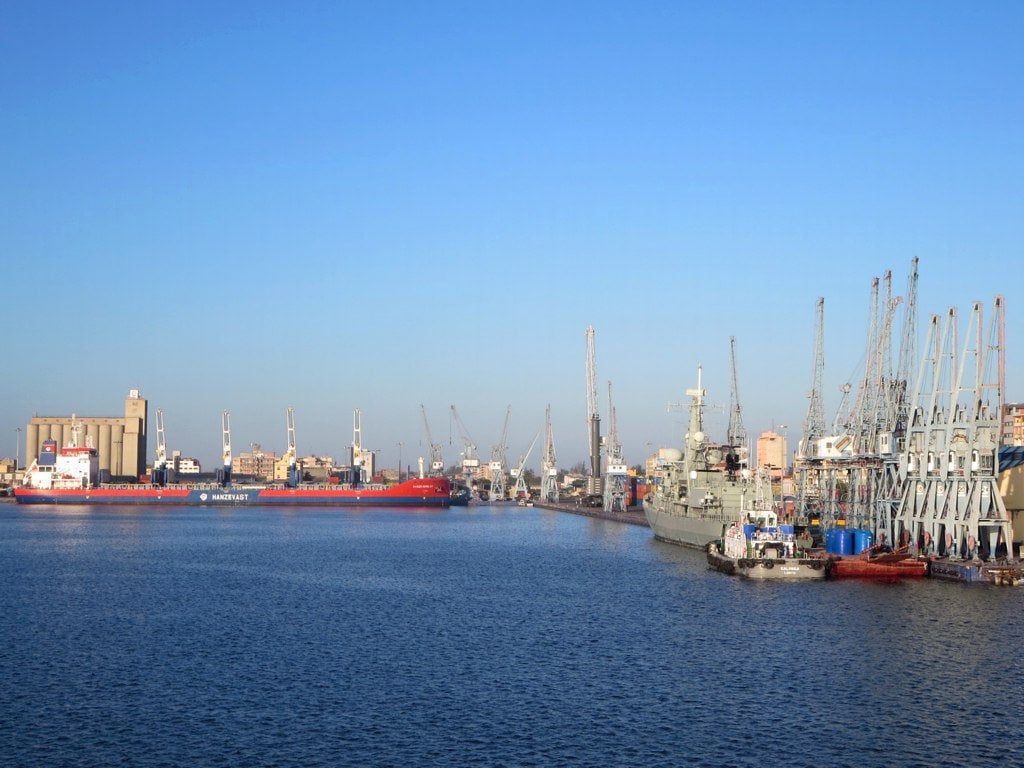
The United States Export-Import Bank has approved a direct loan of US$99.6 million to the mobile operator Africell. The money buys American and European network equipment for Angola, and Africell confirmed the deal on 14 September.
What Was Approved
EXIM published the approval on Friday 11 September. Reuters reported it the same day from Washington.
Africell confirmed the terms on 14 September: US$99.6 million, a direct loan, for network equipment in Angola.
Named vendor partners in the coverage include HP, Nokia, Dell and Oracle.
Chief executive Ziad Dalloul said the company was pleased to be working with EXIM. The aim, he said, is more trusted and secure communications infrastructure in its markets.
Angola, Not Congo
Africell operates in four countries: Angola, Gambia, DR Congo and Sierra Leone. Reuters listed all four.
The loan is for Angola. Africell framed it around the Lobito corridor, and the equipment is for the Angolan network.
Some coverage has attached the loan to DR Congo. Africell mentioned Congolese growth only as context, not as the destination for this money.
The distinction decides what the loan is actually for.
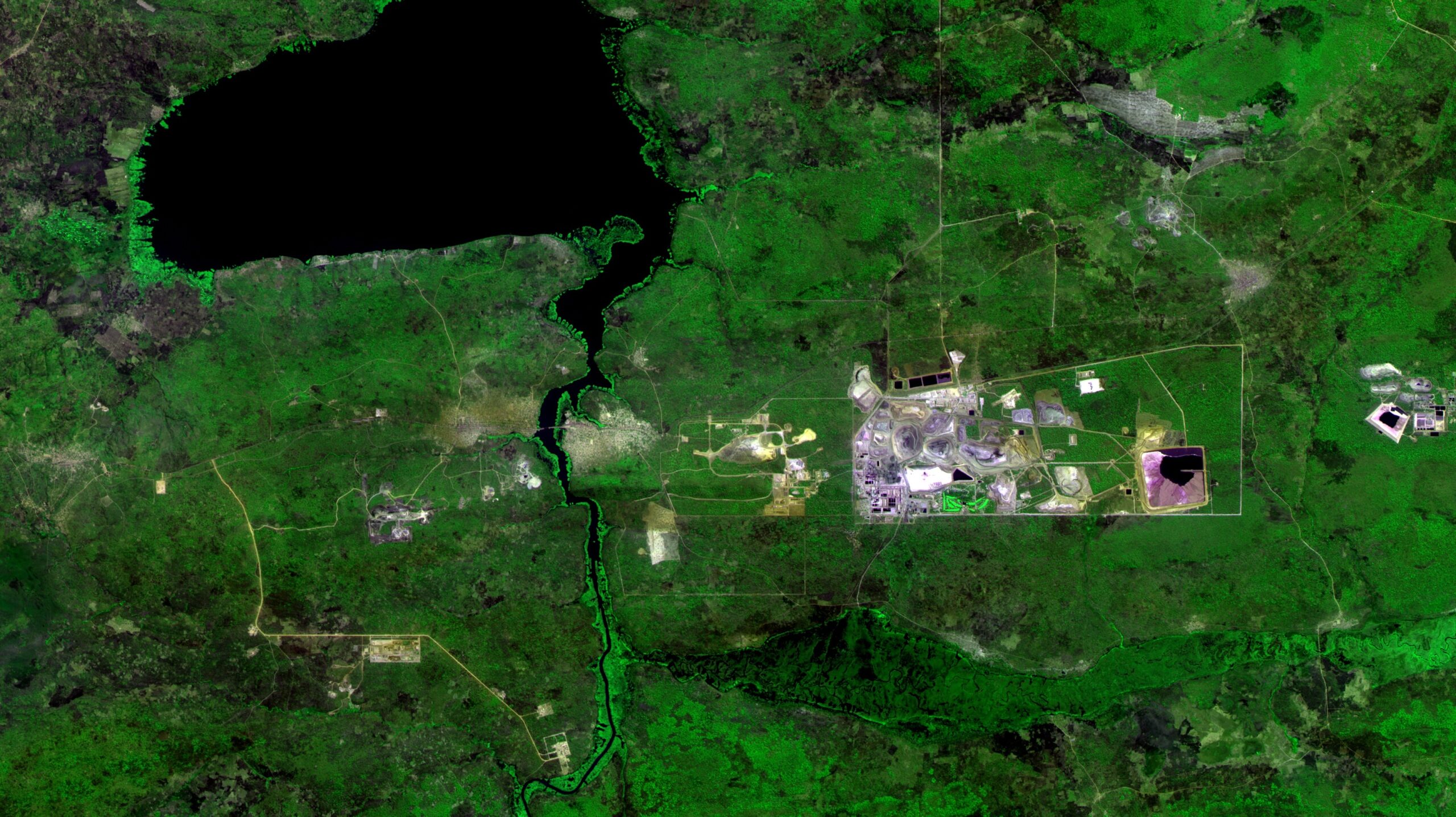
Why the Lobito Corridor Matters
The Lobito corridor is a railway running inland from the Angolan port of Lobito. It reaches the copper and cobalt belt of DR Congo and Zambia.
Washington and European partners have backed its rehabilitation as an alternative to Chinese-controlled export routes for critical minerals.
A corridor of that kind needs telecommunications along its length, for freight tracking, customs and border management.
Financing a network operator at the Angolan end is a smaller, quieter piece of the same project.
The Huawei Question
Counterpoint Research estimates Huawei holds about 52% of Africa’s 5G infrastructure market. The figure was reported by Reuters and is one research house’s estimate.
American concern is about network equipment sitting inside the systems that carry a country’s data.
In 2022 the then deputy secretary of state Wendy Sherman visited Africell’s offices in Angola. Speaking there on 10 May, she said countries choosing Huawei are potentially giving up their sovereignty. They were, she said, turning over their data to another country.
Huawei did not comment on this loan. The Chinese embassy said Chinese investment had spurred growth and been welcomed by residents, and urged Washington not to undermine China-Africa cooperation.
What Africell Is
Africell has about 15 million customers across its four markets. Angola is its largest.
It entered Angola in 2022, after winning the country’s fourth mobile licence, and grew quickly in a market long dominated by Unitel.
The American-owned description comes from Reuters and refers to corporate domicile. The group’s founder and chief executive, Ziad Dalloul, is Lebanese.
The 2018 loan of US$100 million came through OPIC, the Overseas Private Investment Corporation, which has since become the Development Finance Corporation.
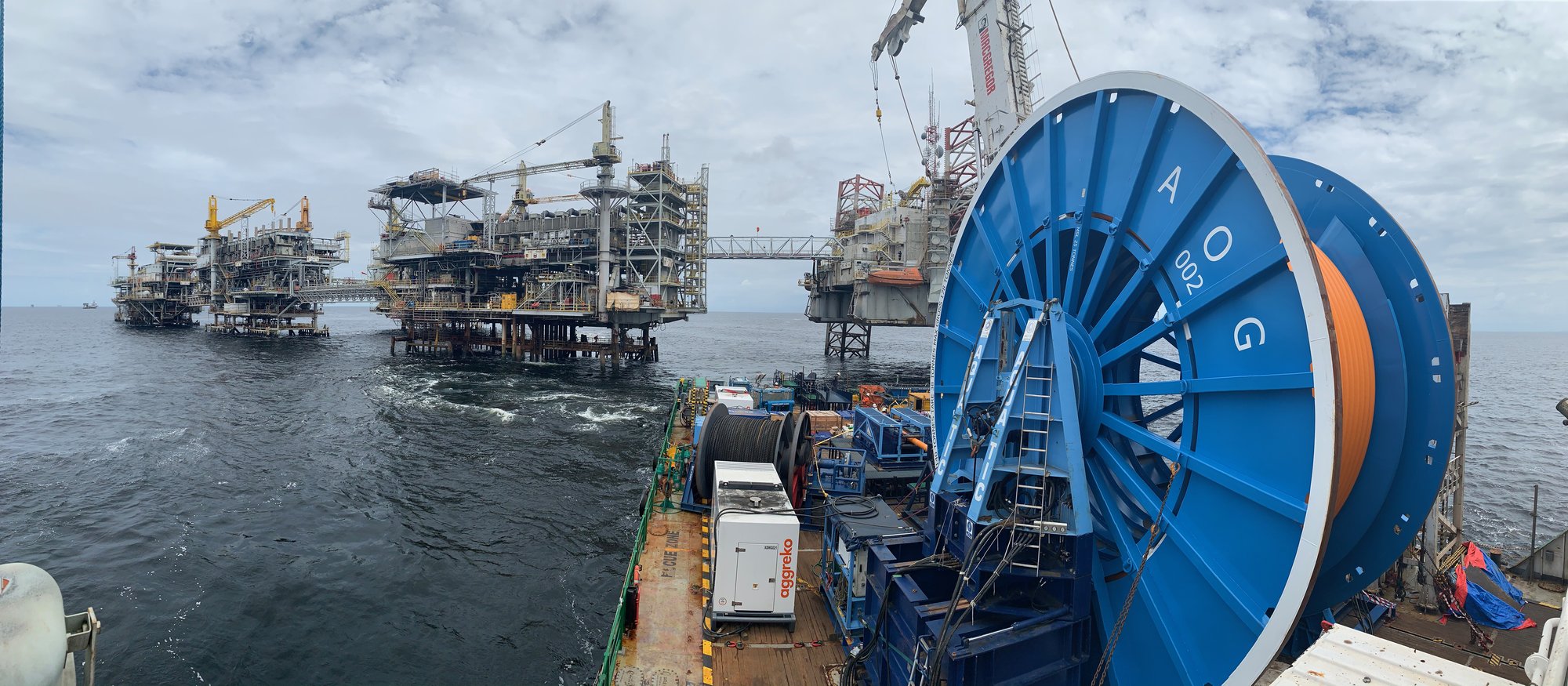
What It Means for Angolan Customers
Network equipment purchases show up as coverage and capacity rather than as anything a customer sees directly.
Angola’s mobile market has three main operators and prices have fallen since Africell entered.
For foreign residents and businesses, the practical question is data coverage outside Luanda, which remains uneven.
Nothing in the loan changes tariffs or service terms.
What to Watch
The disbursement schedule, which EXIM publishes for direct loans.
Whether similar financing follows for Africell’s other markets, including DR Congo.
Angolan spectrum decisions, which determine how fast any of this equipment can be used.
And the Lobito corridor itself, where the rail concession timetable is the thing everything else waits on.
More: Africa news and analysis, every day from The Rio Times.
Frequently Asked Questions
How big is the EXIM loan to Africell?
US$99.6 million, approved as a direct loan. EXIM announced it on 11 September 2026 and Africell confirmed it on 14 September.
Which country is the loan for?
Angola. The equipment is for Africell’s Angolan network, framed by the company around the Lobito corridor.
Is the loan for DR Congo?
No. DR Congo is one of Africell’s four markets but is not the destination for this financing.
What does the money buy?
American and European mobile network equipment. Named vendor partners in the coverage include HP, Nokia, Dell and Oracle.
Why is Washington involved?
To place non-Chinese equipment in African networks. Counterpoint Research estimates Huawei holds about 52% of Africa’s 5G infrastructure market.
Has Africell borrowed from the US before?
Yes. It received a US$100 million American government-backed loan in 2018 through OPIC, now the Development Finance Corporation.
Sources: US Export-Import Bank, Africell, Reuters, Developing Telecoms, Telecompaper, TechAfrica News.
This article was produced by The Rio Times’ automated newsroom system. How we use AI · Report an error
LatAm Markets: Live Signals → — real-time movers, turnover leaders and FX across Latin America.
Read More from The Rio Times