The United Nations has raised an alarm over land degradation in Latin America and the Caribbean.
They report a concerning 22% of the region’s soil suffers from this issue. A key UN official, Andrea Meza has identified this trend as a pressing problem.
It threatens both ecosystems and human communities, potentially leading to violence and forced migration.
Between 2015 and 2019, the world lost 100 million hectares to land degradation. This area is twice the size of Greenland.
Meza from the UN underscores that this trend endangers the region’s sustainable development.
She stresses that essential resources like water and food could become scarce without reversing this.
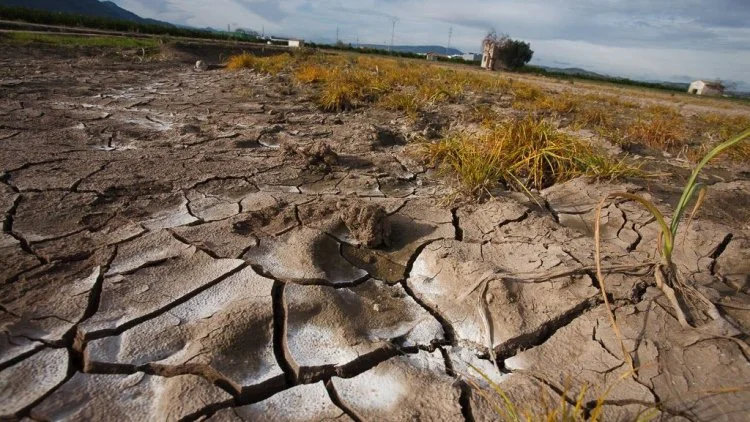
Meza explains that land degradation means the destruction of life-supporting areas like forests and wetlands.
Causes include climate change and the uncontrolled spread of cities and farms. She insists on the need for careful development planning.
This is essential for the 22% of land already degraded, impacting 41% of the region’s population.
The expert warns that drought combined with poor soil can lead to violence and migration. This can stop the region from becoming prosperous.
Panama’s migration figures confirm a rise in movement through the dangerous Darién jungle towards North America.
This increase points to a grim reality of environmental distress pushing people to leave their homes.
Global Climate Goals
The outlook for meeting global climate goals appears bleak, such as the Paris Agreement’s target to cap the temperature rise at 2°C.
Meza calls for responsible development models. These should ensure economic activities while protecting natural resources.
She criticizes the practice of clearing important forests for agriculture, calling for strategic agricultural placement.
Meza concludes by highlighting a threefold goal: protect, restore, and manage land. The UN aims for no more land degradation by 2030.
But the region is off track. It must involve all sectors of society to achieve land governance, vital for climate objectives.
Panama shows mixed progress. It faces criticism for weak land management, yet it also shows commitment to improving land planning.
Despite the challenges, the Dominican Republic sets a positive example by reducing its land degradation, showcasing that positive change is possible.
More: Brazil news in English, every day from The Rio Times.
This article was drafted with automated assistance and reviewed before publication. How we use AI · Report an error
Read More from The Rio Times