Trump Leads Polls in Most Key Swing States for Upcoming U.S. Election
As the U.S. presidential election nears on November 5, Donald Trump seems poised to take five of the six pivotal swing states.
The New York Times’ recent polls indicate these states might decisively swing the election his way.
Joe Biden’s approval ratings are declining, affected by public desire for change, economic dissatisfaction, and ongoing Middle East tensions.
Surveys conducted from April 28 to May 9 by Siena College and The Philadelphia Inquirer involved 4,000 participants.
The results indicate Biden is losing ground among young, Black, and Hispanic voters—key demographics of his electoral base.
Trump leads in Michigan, Arizona, Nevada, Georgia, and Pennsylvania, while Biden is ahead only in Wisconsin, per registered voters’ feedback.
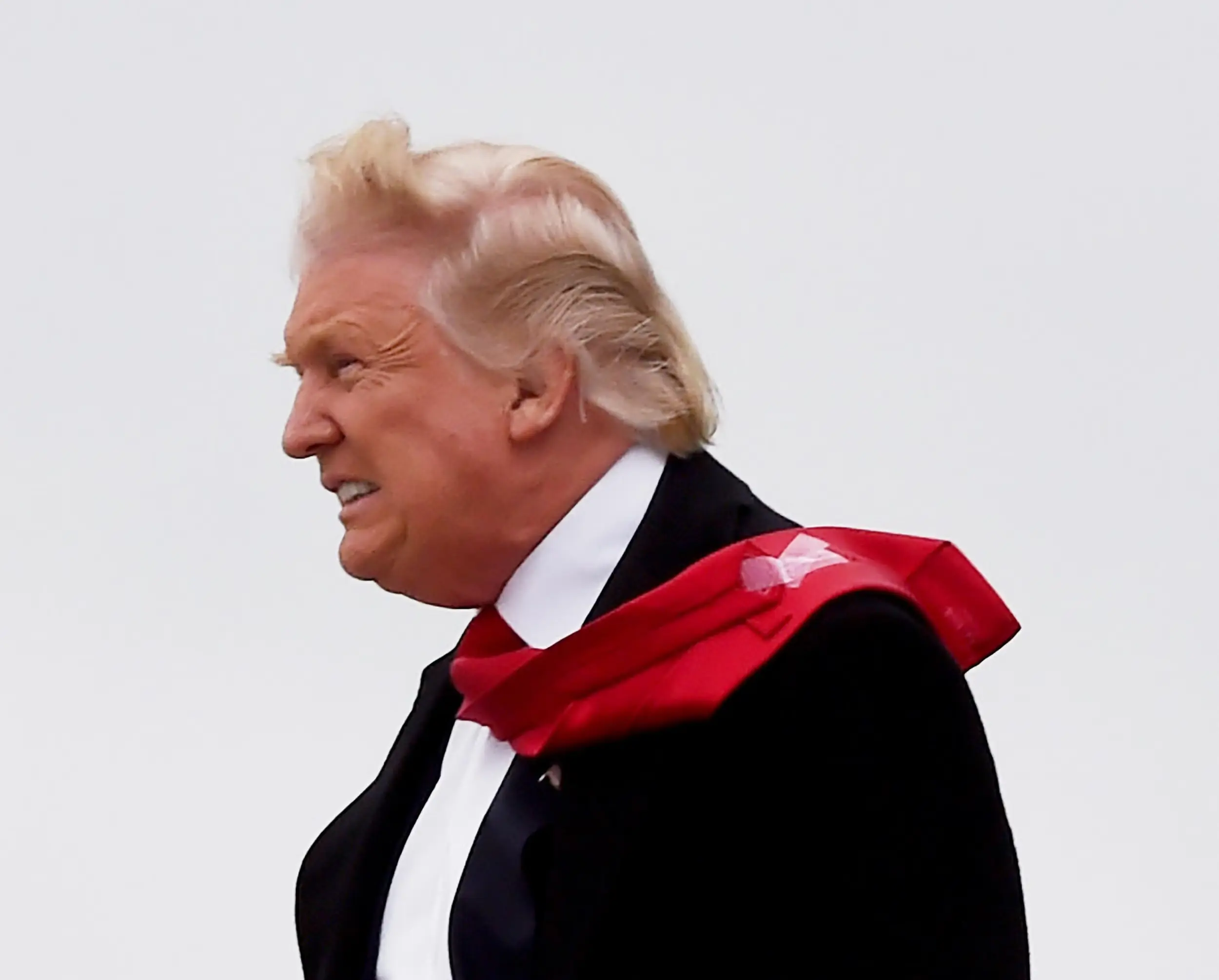
This situation reflects widespread national dissatisfaction and questions Biden’s ability to significantly improve American lives.
Almost 70% of voters feel that both political and economic systems require major overhauls.
Trump’s popularity among young and non-white voters has unexpectedly altered the electoral map, giving him advantages in Arizona, Georgia, and Nevada.
However, his stance on abortion presents a major challenge. In the contested states, 64% support legal abortion in most or all situations, including 44% of Trump’s supporters.
Trump Leads Polls in Most Key Swing States for Upcoming U.S. Election
Biden faces a major obstacle with his foreign policy, particularly his steadfast support for Israel during the Gaza conflict.
Approximately 13% of previous Biden supporters have withdrawn their support due to his international policies.
These dynamics highlight a key time in U.S. politics, with voter sentiments and issues like abortion and foreign policy shaping the election.
As candidates tackle weaknesses and use strengths, the race remains unpredictable, impacting U.S. governance and global relations.
This article was produced by The Rio Times’ automated newsroom system. How we use AI · Report an error
Read More from The Rio Times