
MEXICO · STEEL
Ternium, a steelmaker listed in New York with its main plants in Mexico, is weighing more anti-dumping cases against cheap imports, mainly from Asia, its chief executive Máximo Vedoya said, in reporting by Reuters carried by El Economista, a Mexican business daily, on 11 November 2026. He called new cases “very likely” after Ternium backed recent petitions in Mexico.
The fight over imports comes as steel has become a key item in US-Mexico trade talks during the review of the three-country trade pact with Canada, known as USMCA (the United States-Mexico-Canada Agreement).
Key Facts
- Who Máximo Vedoya, chief executive of Ternium, a steelmaker listed in New York.
- Plan More anti-dumping cases, mainly against Asian imports, are “very likely”.
- Pesquería A new slab mill at Pesquería, in Nuevo León state, is expected to start production in February 2027.
- Margin Making slabs in-house instead of buying them could save US$50 to US$100 per tonne, Ternium has said.
- Unknown Which products or countries the next cases would target, and when they would be filed.
Ternium wants Mexico to shield its home market from Asian steel while Washington and Mexico City argue over steel in the wider trade talks.
Why It Matters
Anti-dumping duties are extra import taxes charged when a government finds that foreign producers sell below fair prices. Ternium has been the complainant in several Mexican cases, El Economista reported, and its push now targets Asian flat steel.
El Economista quotes Vedoya as saying Ternium’s direct exposure to US tariffs is now limited because it has cut its exports from Mexico to the United States sharply. The company instead aims to win domestic market share from imported flat steel.
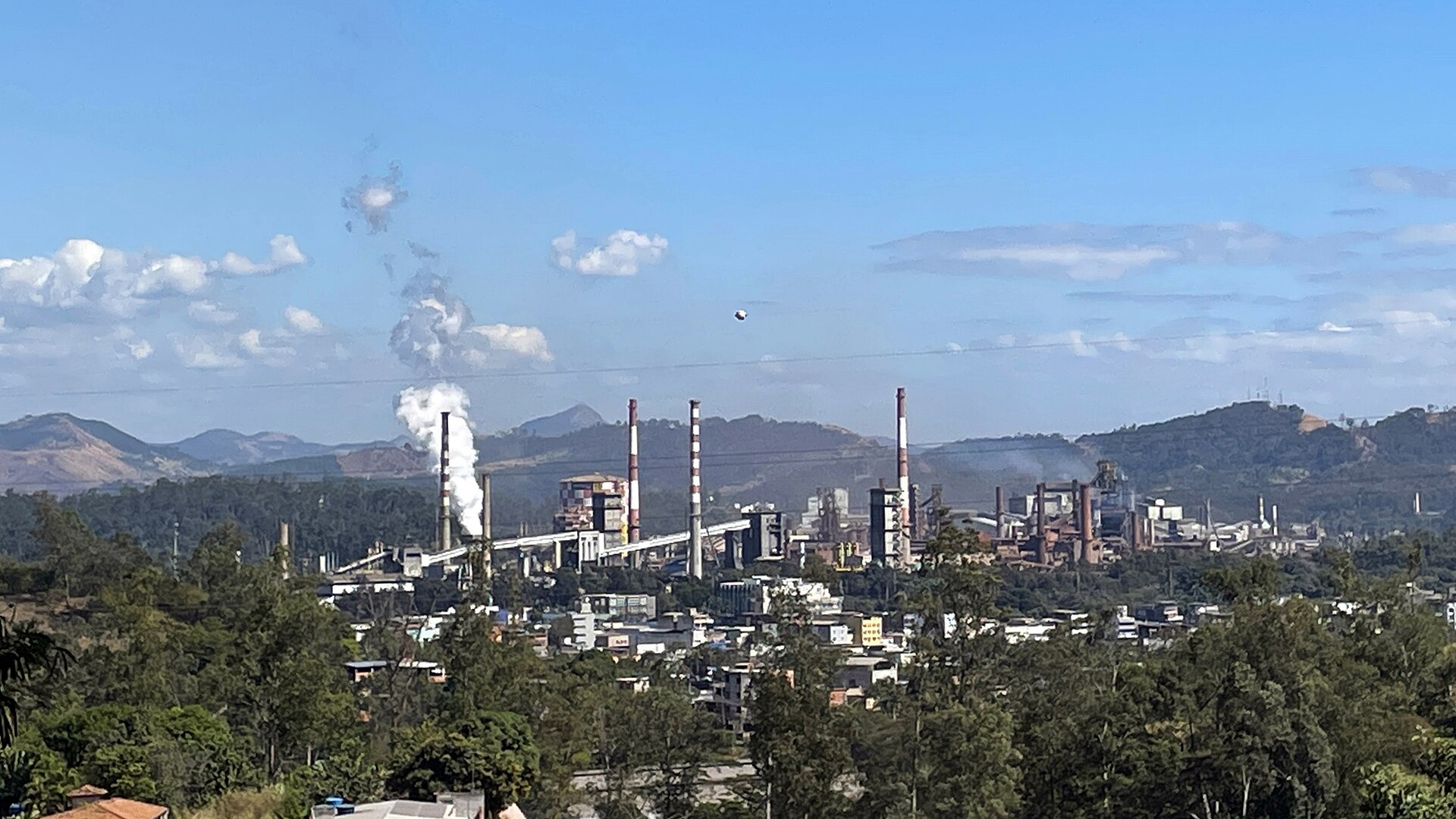
What Vedoya Wants From the Trade Talks
Vedoya said the most important issue for North America is tougher rules of origin, the rules that decide whether a product counts as made in the region. He also wants relief from the US tariffs on steel and aluminium that weigh on regional trade.
Ternium has argued that Mexico and the United States face the same problem from abusive steel prices. That puts the company’s case close to Washington’s own complaints about steel overcapacity.
The Pesquería Bet and Usiminas
Ternium says the main benefits of the Pesquería project should show in 2028, because sophisticated new products need certification and a long start-up. Making slabs there instead of buying them could save US$50 to US$100 per tonne, Ternium has said.
In February Ternium raised its own stake in the group that controls Usiminas, a Brazilian flat-steel maker, from 51.5% to 83.1%, according to its filing with US regulators (Form 6-K, March 2026). Together with Confab, a Brazilian pipe maker owned by Ternium’s affiliate Tenaris, the group holds 92.9%.
Vedoya said improving productivity is the only focus at Usiminas, and that Ternium’s 2027 outlook depends partly on conditions in Brazil.
What It Means for You
Investors in Ternium’s New York shares are exposed to two decisions at once: Mexican import rules and the US-Mexico steel talks. Both can move margins before Pesquería’s profits arrive in 2028.
For buyers of Mexican flat steel, more duties on Asian imports would narrow the cheap supply available at home.
What Is Not Known
Ternium has not said which products or countries the next cases would cover, or when petitions would be filed. The outcome of the USMCA steel talks is also open.
In Plain English
Dumping means selling a product abroad below its fair price. USMCA is the trade pact between the United States, Mexico and Canada.
Slabs are thick blocks of steel that mills roll into flat products such as sheet for cars and appliances.
Frequently Asked Questions
What is Ternium considering in Mexico?
Chief executive Máximo Vedoya said Ternium is weighing more anti-dumping cases against imports, mainly from Asia, and called new cases very likely.
When does the Pesquería project start?
Ternium expects Pesquería, near Monterrey, to begin production in February 2027, with the main benefits visible in 2028.
Sources: Reuters, 11 November 2026; El Economista, 11 November 2026. Our earlier steel coverage: Steel Markets, 22 October 2026.
This article was produced by The Rio Times’ automated AI newsroom. Editorial responsibility: Matthias Camenzind, Publisher and Editor-in-Chief. The Rio Times also runs Ask Rio Times, which answers from 100,000+ of our own articles, the daily Latin America Power Map, and prediction-market odds on elections and markets.. How we use AI · Report an error