Sweden Joins NATO: A New Era of Security Dynamics
Sweden has taken a pivotal step by deciding to join the North Atlantic Treaty Organization (NATO), moving away from its long-standing neutral military position.
This decision, driven by the rising tensions in Ukraine, gained full support from the Hungarian Parliament, ending a period of diplomatic discussions.
It overcame the hurdles posed by NATO countries like Hungary and Turkey.
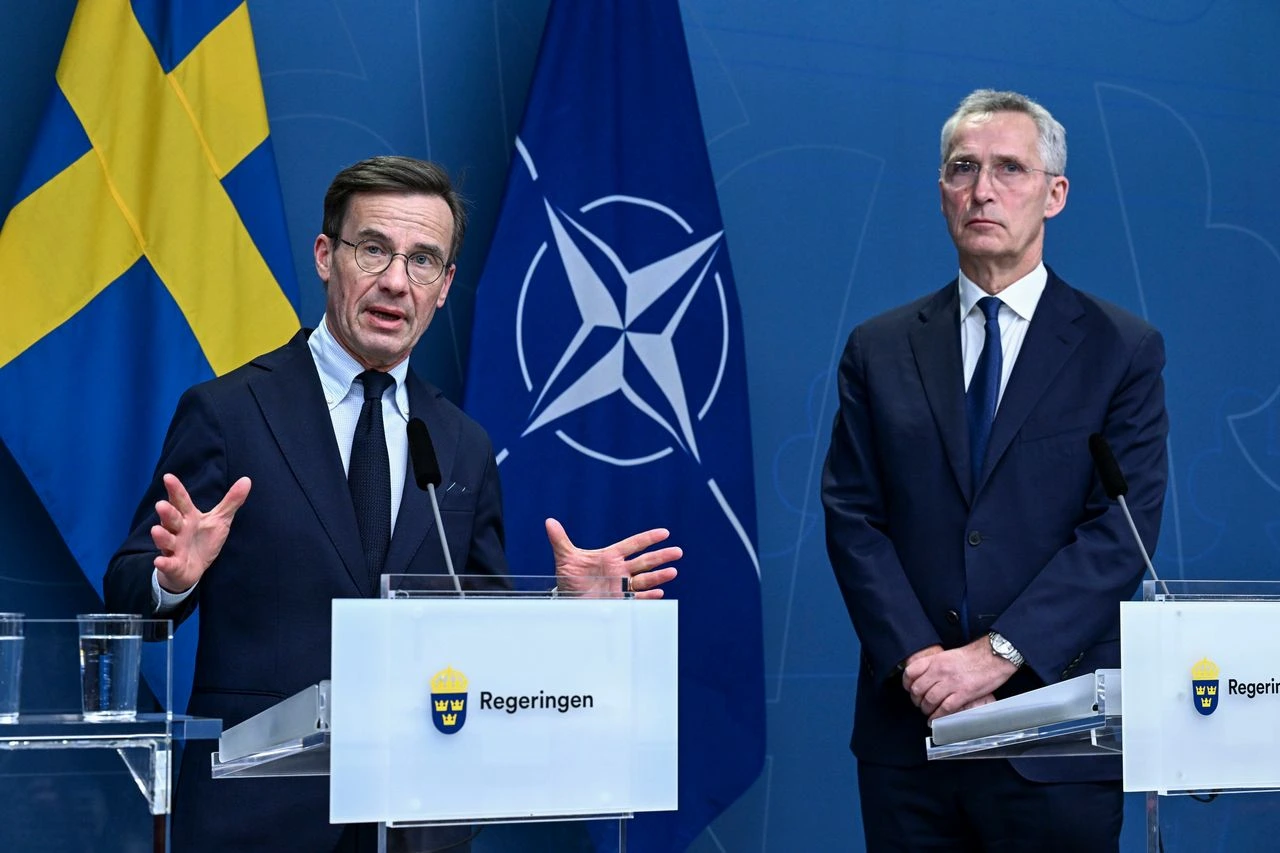
Swedish Prime Minister Ulf Kristersson celebrated this moment, stressing Sweden’s commitment to enhancing the alliance’s defense capabilities.
The breakthrough came when Sweden agreed to boost Hungary’s defense, offering warplane access and setting up an artificial intelligence center.
This deal highlights the growing cooperation among NATO nations, reflecting Hungary’s Prime Minister Viktor Orbán’s views on mutual defense.
Experts view Sweden’s inclusion in NATO as a strategic move, making the Baltic Sea region safer and possibly discouraging Russian hostilities.
Sweden’s entry bolsters NATO’s northern European defenses, enabling faster military mobilizations and better preparing the alliance against Russian threats, particularly its advanced submarine fleet.
Russia, in response, has fortified its military stance, showing readiness for a prolonged standoff with NATO.
In addition, it has increased its military size and revived the Leningrad Military District, preparing for potential conflicts.
Yet, Russia’s challenges in Ukraine raise questions about its capacity for a direct conflict with NATO.
Sweden’s foreign policy shift reflects a change in its security outlook, influenced by Ukraine’s situation.
The country’s neutrality tradition has evolved into a proactive approach to defense, amid domestic changes.
Sweden faces growing social issues, pushing politics to the right and questioning its welfare and neutrality norms.
In short, the strategic shift indicates acknowledgment of interconnected threats, prompting neutrality reassessment in today’s geopolitical landscape.
This article was produced by The Rio Times’ automated newsroom system. How we use AI · Report an error
Read More from The Rio Times