Sudan’s Rival Banknotes Harden a Country Split in Two
SUDAN · GEOPOLITICS
Key Facts
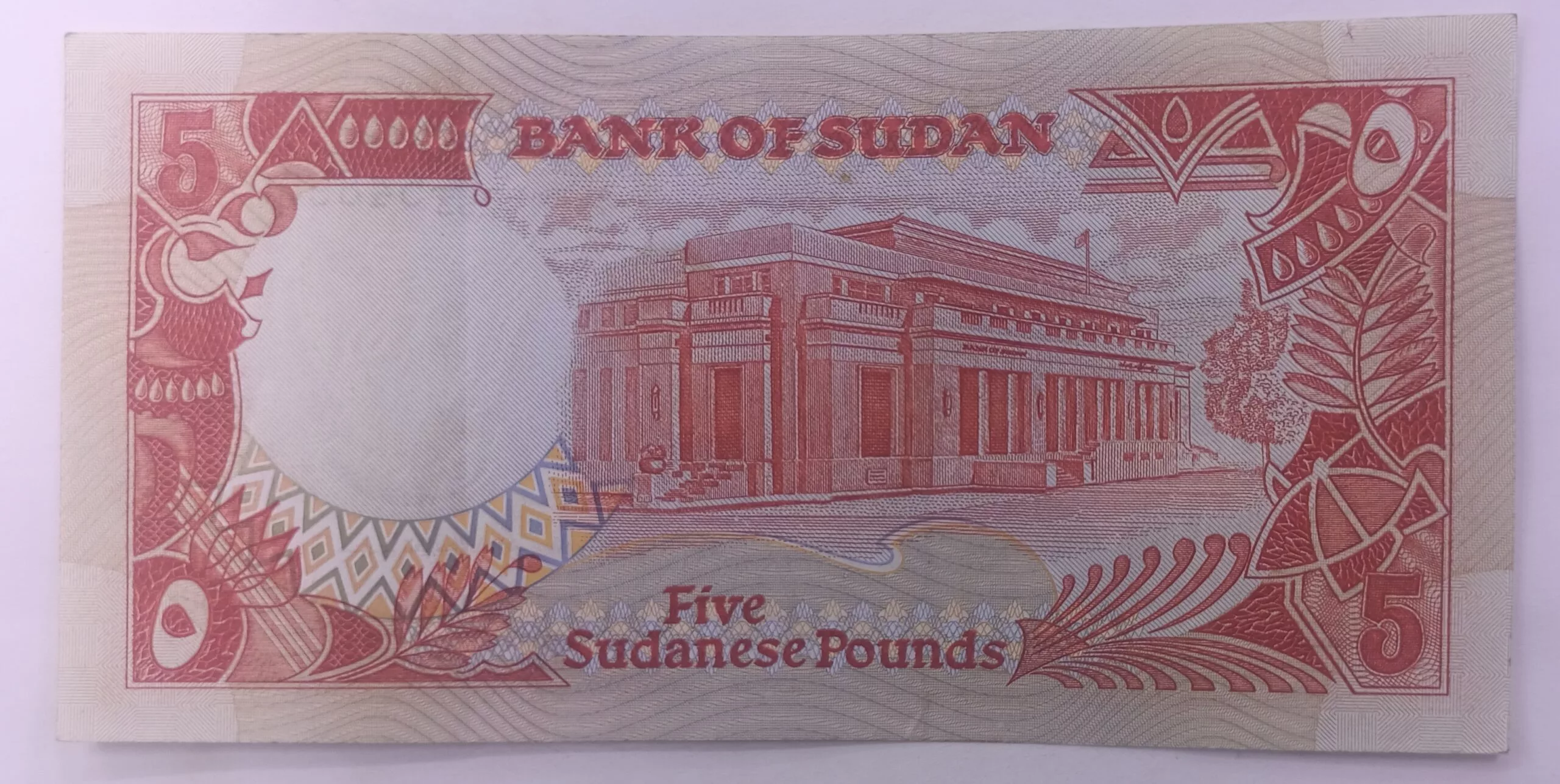
New money: Sudan’s army-aligned central bank has issued new banknotes, including a redesigned 1,000-pound note.
A rival system: In areas held by the Rapid Support Forces, older notes still circulate under a parallel authority.
Currency as a weapon: Each side accuses the other of using money to wage the war and starve its territory of cash.
A divided nation: The army holds the east and centre; the RSF controls much of Darfur and the west.
Economic ruin: After three years of war, inflation is rampant and more than 30 million people need aid.
The stakes: A split currency entrenches two economies and two governments inside one country.
Sudan’s new banknotes have done what years of fighting could not quite finish: split the country’s money in two. As the army-backed government rolls out a fresh currency, the rival Rapid Support Forces run their own cash system, and these Sudan banknotes are hardening a de facto partition.
What changed
Sudan’s army-aligned central bank has rolled out new banknotes, including a redesigned 1,000-pound note, billed as a modernisation. The notes carry the signature of a pre-war governor reinstated to lead the institution.
The redesign is also a tactic. By issuing fresh currency, the authorities can render worthless the old cash hoarded in regions they no longer control.
A change of paper, in other words, doubles as an act of war.
Two central banks, one country
The rival Rapid Support Forces have responded by building their own monetary arrangements in the territory they hold. There, older notes still circulate, and a parallel authority manages the cash supply.
The RSF says its plans are technical steps to keep the economy stable. It accuses the army-led government of exploiting the currency as a tool of war.
Sudan now has, in effect, two central banks for one fractured country.
How money became a weapon
Forcing a currency swap is a blunt and powerful tactic. People in areas that cannot access the new notes or the banks that issue them suddenly find their savings stranded.
Demonetisation can choke an enemy of cash, freeze its trade and punish the civilians under its control. It is a way to fight without firing a shot.
In Sudan, the printing press has become another front line.
Traders who deal in the wrong notes can be ruined overnight. Families who kept their savings in cash watch that money turn to paper.
A country already split
The currency divide mirrors a military one. The army has clawed back the capital and dominates the east and centre, while the RSF controls much of Darfur and parts of Kordofan in the west.
Front lines have hardened into something close to a border. The competing money systems now trace that division in people’s wallets.
What began as a war for the whole country increasingly looks like a contest between two states.
The human cost
Ordinary Sudanese are caught between the two monies. After three years of war, inflation has soared and basic goods are scarce across much of the country.
The United Nations calls it the world’s largest hunger crisis, with more than 30 million people in need of aid. A fractured currency makes it even harder to move money, pay traders and buy food.
The cost of the split is measured in empty markets and empty plates.
The outside hands
Sudan’s war has never been purely domestic. The United Arab Emirates has been widely accused of backing the RSF, an allegation Abu Dhabi denies, while the army has leaned on other foreign supporters.
Drones supplied from abroad have intensified the fighting and the civilian toll. The currency split is one more sign of a conflict shaped by outside powers as much as by Sudanese ones.
The money, like the war, has foreign fingerprints on it.
Regional powers have treated Sudan as an arena for their own rivalries. The result is a war that is harder to end because so many outsiders hold a stake in it.
Why it matters
A partition enforced by currency is hard to undo, since it builds separate economies that each side has reason to defend. It risks turning a temporary front line into a permanent divide.
The fallout reaches Sudan’s neighbours, from Chad to South Sudan and Egypt, who absorb refugees and trade shocks. A nation splitting in real time is a warning for a fragile region.
How Sudan’s money settles may shape whether the country itself holds together.
Frequently Asked Questions
Why did Sudan issue new banknotes?
The army-aligned central bank issued new notes to modernise the currency and to cut off cash held in areas controlled by the rival RSF.
How is Sudan’s currency split?
New notes circulate in army-held areas, while older notes and a parallel authority operate in regions held by the RSF.
Who controls which part of Sudan?
The army holds the east and centre, including the capital, while the RSF controls much of Darfur and the west.
Why does the currency split matter?
It entrenches two economies and two administrations in one country, deepening a de facto partition that is hard to reverse.
Connected Coverage
Sudan sits within the wider contest shaping the continent, which we track in Africa: The New Scramble. For more on power and money across Africa, read about DR Congo’s debut Eurobond and the political crisis in Senegal.
This article was produced by The Rio Times’ automated newsroom system. How we use AI · Report an error · Editorial responsibility: Matthias Camenzind, Editor-in-Chief
LatAm Markets: Live Signals → — real-time movers, turnover leaders and FX across Latin America.
Horn of Africa and the Red Sea
- Horn of Africa 2026: Why It Matters and Who Backs Whom
- Ethiopia’s Neighbors Explained, Ports, Eritrea, Somalia
- Eritrea Explained 2026, a Red Sea Country Guide
- Somalia Explained: Al-Shabaab, Somaliland, the Ports and the Fight Over a 2026 Vote