
SUDAN · SECURITY
Key Facts
- —The country Sudan is a gold-rich nation in northeast Africa, at war since April 2023 between its army and the paramilitary Rapid Support Forces.
- —What happened Air strikes hit artisanal gold mines in the North Wadi area near the Egyptian border on Saturday, 10 October, miners told Sudanese media.
- —The toll claims Three survivors told Sudan Tribune that at least 200 people were killed; the rebel-led Tasis alliance also put the toll above 200.
- —Other counts Emergency Lawyers, a Sudanese rights group, gave a preliminary toll of 72 dead; Radio Dabanga reported dozens of miners killed.
- —Who is accused Survivors, Tasis and Emergency Lawyers blame Egyptian military aircraft. Egyptian authorities have said their security operations stay inside Egypt’s borders.
- —Still open No Sudanese or Egyptian authority has published a death toll, and no government has claimed the strikes.
Sudan gold miners say air strikes on mines near the Egyptian border killed more than 200 people on Saturday, 10 October. Three survivors gave that toll to Sudan Tribune, an independent Sudanese news outlet, in an Arabic report published on Sunday.
The figure is far higher than the dozens of deaths reported at first, and survivors blame Egypt, a close US security partner. No government has confirmed the toll or claimed the strikes.
What Survivors Told Sudan Tribune
The strikes hit traditional gold-mining sites in North Wadi, in the far north of Red Sea State, at about 6 a.m. on Saturday. Survivors said more than five missiles hit miners’ camps and digging shafts, and some shafts collapsed.
One survivor said the dead numbered more than 200 and that hundreds more were wounded, some seriously. Sudan Tribune said the toll could rise because medical care is scarce and the terrain is hard to cross.
Some of the wounded were treated at a health centre in the Al-Ansari mining market. Others were taken to Haya and Port Sudan in Red Sea State, and to Atbara in neighbouring River Nile State.
Gold miners said more than 15,000 people working at the site fled to caves and mountains. The outlet described the raid as the second such attack on the area in three months.
How the Death Toll Claims Grew
The first accounts of the Saturday air strikes near the Egyptian border, published on 11 October, spoke of dozens dead and at least 20 wounded. Sudan Tribune’s first English report also said dozens had been killed, citing miners.
Radio Dabanga, a Sudanese broadcaster run from the Netherlands, reported on Sunday that dozens of gold miners were killed at the Hanjalia mine. It said the strikes came on Friday and Saturday, and that about 20 named victims came from the Wad al-Hileiw area.
The same Dabanga report carried a statement from the Sudan Founding Alliance, known as Tasis. The alliance put the initial toll at more than 200 dead, with a large number wounded.
Tasis is a coalition led by the Rapid Support Forces of Mohamed Hamdan Dagalo, known as Hemedti. It set up a rival government in 2025 and is at war with Sudan’s army, which Egypt backs.
Emergency Lawyers, a Sudanese rights group that documents abuses in the war, gave a lower preliminary toll of 72 dead miners. It also blamed the Egyptian air force, the Jerusalem daily Al-Quds reported on Sunday.
Who Is Accused and What Egypt Says
The gold miners accuse the Egyptian army. They recall that Egyptian border guards once took control of the same mine and set up a camp there, then dismantled it.
Miners also said an Egyptian patrol had warned them away, saying the area lies inside Egypt. They told Sudan Tribune they often see heavy machinery and trucks moving rock from the site across the border.
Tasis also blamed Egyptian military aircraft, Radio Dabanga reported. Egyptian authorities, according to the same report, have said they carried out security operations inside Egypt’s territorial borders.
Sudan’s army chief of staff, Yasser al-Atta, has spoken about the earlier raids. In September he told the Egyptian newspaper Al-Shorouk that the June events took place inside Egypt’s borders.
Sudan Tribune’s reports carried no comment on the new toll from Sudan’s army-led government, which sits in Port Sudan, or from Egypt. People sharing videos online say they show aircraft arriving from Egyptian territory; Sudan Tribune could not verify the footage at once.
Why Sudan’s Border Gold Fields Matter
In June, warplanes struck gold miners in the same North Wadi area. More than 50 people were reported killed in those raids, Radio Dabanga said.
Miners describe the targeted ground as rich in gold, iron and silver. One miner told Sudan Tribune that 50 kilograms of raw rock can yield 20 to 30 grams of gold after processing.
Al-Ogaidat, one of the richest deposits in North Wadi, has drawn thousands of gold miners in recent months, Sudan Tribune said. Gold is among Sudan’s main exports and a key source of hard currency during the war.
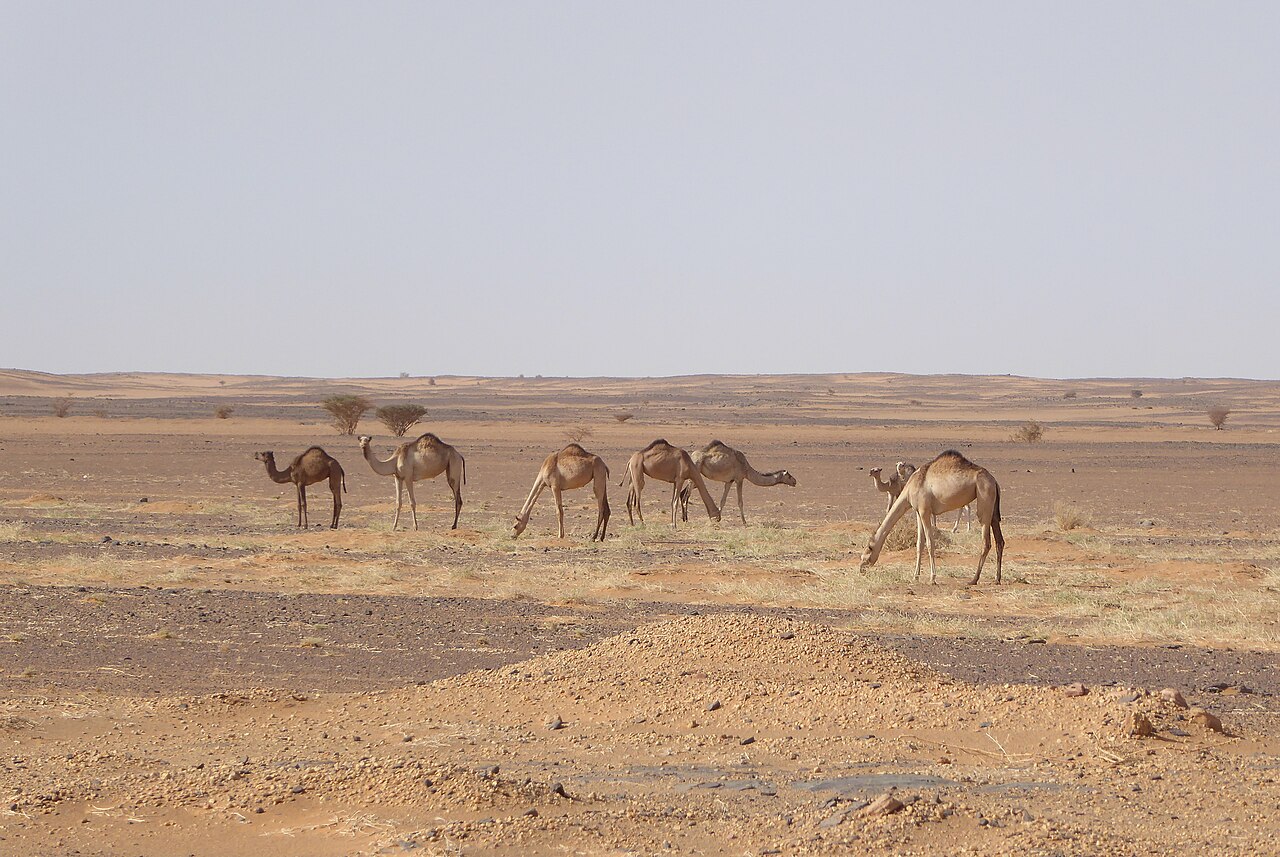
The mines lie in remote desert, far from paved roads and hospitals. They are traditional, small-scale sites where gold miners dig their own shafts.
What It Means for US Readers
Egypt is one of Washington’s closest Arab partners. Since 1978 it has received more than US$50 billion in US military aid, according to the State Department.
A confirmed Egyptian role in deadly strikes inside Sudan would raise questions in Congress about how that aid is used. It would also complicate US efforts to end Sudan’s war.
In January 2025, Washington sanctioned army chief Abdel Fattah al-Burhan and Rapid Support Forces leader Mohamed Hamdan Dagalo. The State Department keeps Sudan at Level 4, its “Do Not Travel” warning.
For companies buying African gold, the attacks are a reminder to check whether metal comes from conflict-hit Sudanese mines.
What Is Not Known
The death toll of the gold miners remains unconfirmed by any Sudanese authority or hospital. Survivors and Tasis, a party to Sudan’s war, say more than 200, while Emergency Lawyers counted 72.
It is not known who flew the aircraft, and no government has claimed the strikes. The exact position of the mines is also disputed: Egyptian patrols call the area Egyptian, while Sudanese groups place it inside Sudan.
More: Sudan news in English, every day from The Rio Times.
Frequently Asked Questions
What happened at the Sudanese gold mines near Egypt?
Air strikes hit artisanal gold mines in Sudan’s North Wadi area, near the Egyptian border, on Saturday, 10 October. The gold miners said missiles hit their camps and digging shafts, and thousands fled into the mountains.
How many Sudan gold miners were killed?
Three survivors told Sudan Tribune that at least 200 people were killed, and the Tasis alliance gave a similar figure. The rights group Emergency Lawyers counted 72 dead, and no authority has published a toll.
Who is blamed for the air strikes?
Survivors, the Tasis alliance and the rights group Emergency Lawyers blame Egyptian military aircraft. Egyptian authorities have said their security operations take place inside Egypt’s own borders.
What is the Tasis alliance?
Tasis, or the Sudan Founding Alliance, is a coalition led by the paramilitary Rapid Support Forces. It set up a rival government in 2025 and is at war with Sudan’s army.
Why does this matter to Americans?
Egypt is a major recipient of US military aid, so any proven role in deadly strikes in Sudan would draw scrutiny in Washington. The US also sanctions leaders on both sides of Sudan’s war and warns Americans not to travel there.
Sources: Sudan Tribune (Arabic), 11 October 2026; Sudan Tribune (English), 11 October 2026; Sudan Tribune (English), first report, 11 October 2026; Radio Dabanga (Arabic), 11 October 2026; Al-Quds (Arabic), 11 October 2026; US State Department, US relations with Egypt (fact sheet, archived), accessed 12 October 2026; US State Department, Sudan travel advisory, accessed 12 October 2026.
This article was produced by The Rio Times’ automated newsroom system. How we use AI · Report an error · Editorial responsibility: Matthias Camenzind, Editor-in-Chief