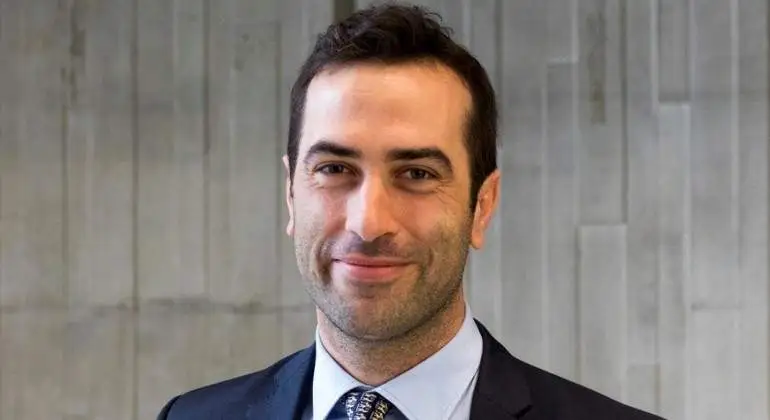
Spain has revamped its economic leadership with Carlos Cuerpo assuming the role of Minister of Economy, succeeding Nadia Calviño.
This shift is notable as Calviño transitions to lead the European Investment Bank (EIB). Cuerpo, born in 1980, brings a robust academic and professional background to the role.
He holds degrees from the University of Extremadura and the Autonomous University of Madrid, with further specialization from the London School of Economics.
His career in public service began in 2008 as a state economist. By 2021, Cuerpo had become the Secretary-General of the Treasury and International Financing.
His tenure there was marked by significant developments, particularly in the area of Treasury bills and investor relations.
Cuerpo, working closely with predecessor Calviño, crafted key EU agreements and played a pivotal role in reforming Spain’s fiscal rules during its EU presidency.
Additionally, his academic contributions extend to teaching economics at several prestigious institutions.
His work with the European Commission focused on macroeconomic imbalances and private-sector debt, enhancing his expertise.
Spain’s commitment to continuity and strength in economic policies
Maria Jesús Montero has been appointed as the First Vice President of the Government.
Since 2018, she has served as the Minister of Finance, playing a pivotal role in government negotiations.
Montero’s diverse background includes extensive experience in the health sector, complementing her economic responsibilities.
These appointments signify Spain’s commitment to continuity and strength in economic policies.
They aim to bolster Spain’s position in both domestic and European economic spheres.
The new leadership brings a blend of experience and expertise, potentially guiding Spain through complex economic challenges.
This strategic reshuffle in Spain’s economic leadership demonstrates the country’s adaptability and foresight in economic governance.
Cuerpo’s economic expertise and Montero’s diverse background offer Spain a chance for comprehensive and strong economic policymaking.
This article was produced by The Rio Times’ automated newsroom system. How we use AI · Report an error
Read More from The Rio Times