Spain Votes as Morocco and Migration Loom
Spain’s election will decide who manages the European Union’s southern door to Africa. Migration, Morocco and the disputed territory of Western Sahara sit at the centre of the argument.
SPAIN · AFRICA · ELECTION
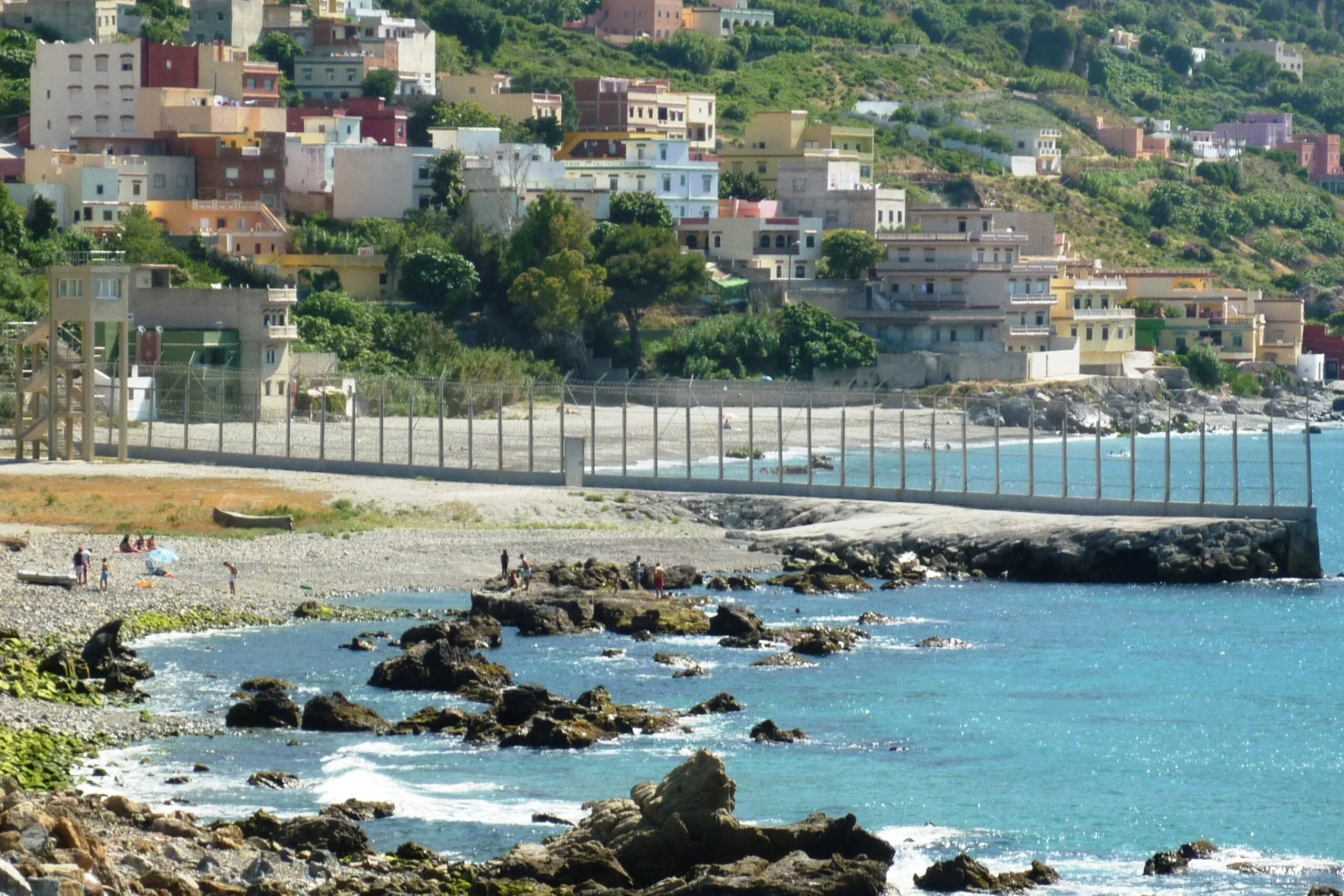
Spain votes on Sunday 29 November 2026 in a general election where its southern border with Africa has become a campaign issue. Voters will decide whether Prime Minister Pedro Sánchez’s government keeps its course on Morocco, on Ceuta and Melilla, two Spanish cities on Morocco’s coast, and on a migrant route into the Canary Islands that set a rescue record this month.
For US readers, Spain is a NATO ally and Morocco has had a free-trade agreement with the United States since 2006, according to the US government’s trade office. Ceuta, Melilla and the Atlantic route into the Canaries are also the European Union’s southern border, which is why the choices of the next government, set out in our Spain election hub, reach well beyond Madrid.
Key Facts
- Vote Spain elects a new parliament on Sunday 29 November 2026.
- Canaries 11,037 migrants reached the Canary Islands by boat from 1 to 15 November.
- Ceuta Spain’s Interior Ministry put the mass entry that began on 30 July at 72,000 people.
- Prediction markets Polymarket, a betting site, gives the People’s Party 71.5% for most seats (US$1.57 million traded, 4:37 ET).
- As of Saturday 28 November 2026, 09:00 GMT
Spain’s election will decide who manages the European Union’s southern door to Africa. Migration, Morocco and the disputed territory of Western Sahara sit at the centre of the argument.
The border question has a date: 30 July 2026, when a mass entry into Ceuta began that Spain’s Interior Ministry put at 72,000 people on 4 August. The central government’s representative in Ceuta counted 72 deaths on 2 August, and the city government 88 on 3 August.
Ceuta and Melilla, Spain’s two cities on Morocco’s Mediterranean coast, are the European Union’s only land borders with Africa. In a letter of 14 March 2022 to King Mohammed VI, Sánchez called Morocco’s autonomy plan for disputed Western Sahara the most serious, realistic and credible basis for a settlement.
The Atlantic route has swung hard: the Interior Ministry’s balance of 16 March showed Canary arrivals down 85.3% on a year earlier, while its balance of 16 November showed them up 65.9%, at 24,364 for 1 January to 15 November. Alberto Núñez Feijóo, leader of the conservative People’s Party (PP), says Spain “lost control of one of its borders” since 30 July, while Sánchez says Morocco’s plan could be the most realistic solution for Western Sahara, so the vote decides which line Spain takes toward Rabat, Morocco’s capital.
Two Opposition Parties Promise Tougher Control
Feijóo accused the government in Ceuta on 19 August of having “outsourced the key to Europe’s southern border to Morocco’s goodwill”. In the same speech he said his wish was “to maintain the best of relations with Morocco”, built on “respect and reciprocity”.
He also said at least 10,000 people remained in Ceuta, against the 2,500 the government had given. His seven commitments include a single command for the crisis, voluntary return or expulsion of everyone who entered illegally, and a recovery plan of at least EUR 650 million (about US$710 million at EUR/USD 1.094 on 28 November) for Ceuta and Melilla in 2027 to 2032.
The PP’s immigration plan of October 2025 adds permanent reinforcement of the Guardia Civil, Spain’s paramilitary police, the National Police and Frontex, the EU border agency, in the Canaries, the Balearics, Ceuta, Melilla and the Strait of Gibraltar. It would also “review the agreements Spain keeps with certain countries” to speed up returns, and it names neither Morocco nor Western Sahara, although the dispute over Morocco’s role in Ceuta is central to the campaign.
Vox, a nationalist anti-immigration party led by Santiago Abascal, opens its 115-proposal programme with Ceuta and what it calls an “invasion”. It proposes to “push for sanctions” and to “suspend international agreements” with Morocco “until it respects the borders”, to “militarise” the frontiers and to tax remittances, the money migrants send home.
Abascal has called Sánchez “Morocco’s candidate”. Feijóo, for his part, said in Ceuta that the government has run “secret diplomacy” with Rabat for years.
Spain’s Interior Ministry, in its fortnightly balance of 16 November, counted 11,037 irregular arrivals in the Canary Islands from 1 to 15 November, aboard 106 boats, most of them on El Hierro, the island that takes the bulk of the Atlantic boats. October had closed at 6,194, and arrivals in all of Spain by sea and land stood at 44,238 for 1 January to 15 November, up 39.4%.
The Canary Route Is Surging Again
On Saturday 14 November the Maritime Rescue Service (Salvamento Marítimo) rescued 1,488 people from 14 boats, most landing at El Hierro. At the time that was the highest single-day number in the 32 years its statistics exist, above the 1,461 of November 2020.
The government declared a migration emergency in the Canaries on Tuesday 10 November, and Territorial Policy Minister Ángel Víctor Torres visited El Hierro on Sunday 15 November. El Hierro is the westernmost of the Canary Islands, and Torres went to the quay at La Restinga, its port.
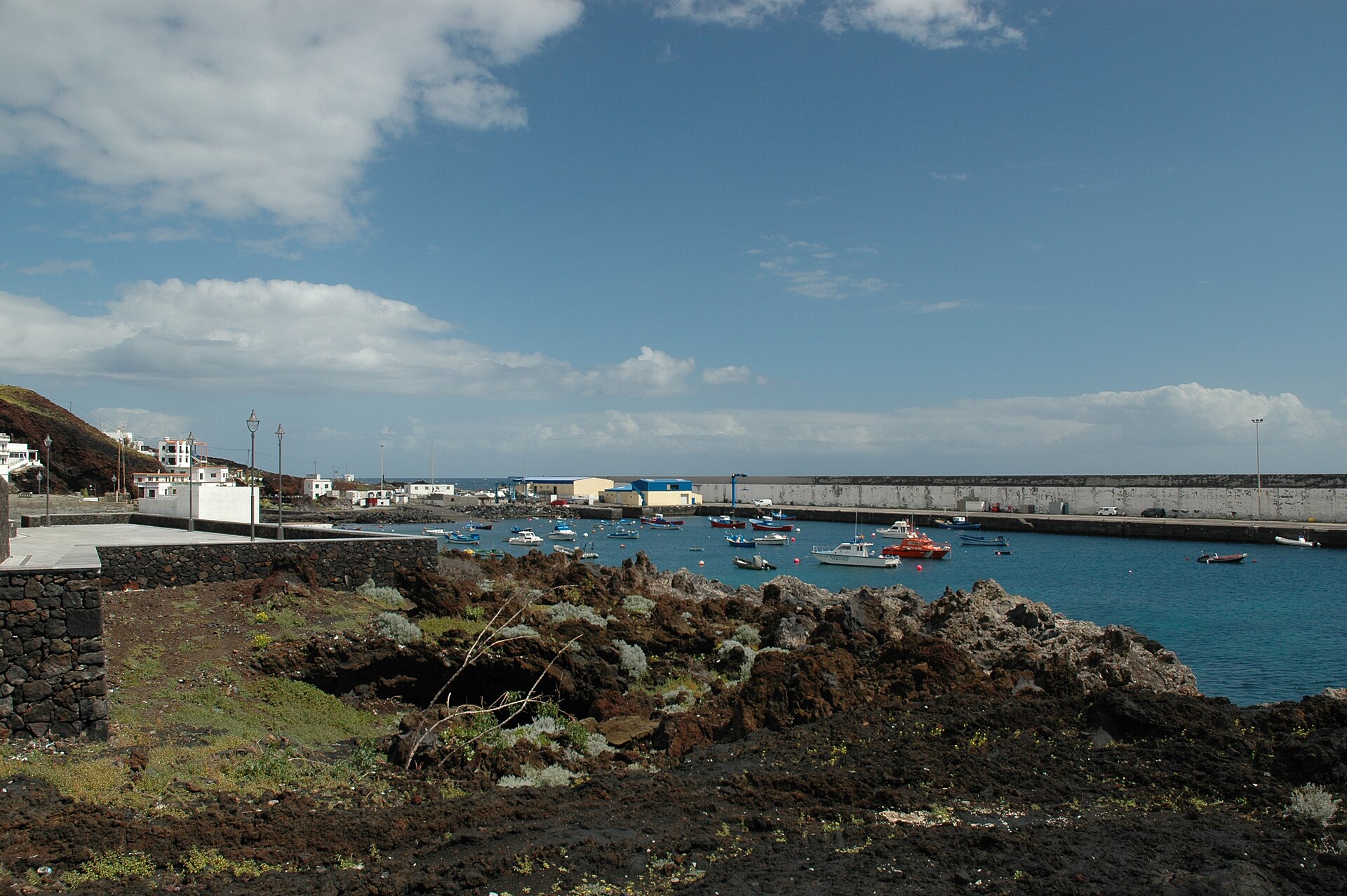
Many boats reaching El Hierro set out from Senegal, and the crossing can take about a week. Senegal lies far south of Morocco, so Rabat alone does not control the route.
Sánchez, who leads Spain’s Socialist Party (PSOE), said on a podcast on Sunday 8 November that Morocco’s autonomy plan could be the most realistic solution for Western Sahara and rejected any quid pro quo with Rabat. The UN Security Council backed that plan as the basis for talks in October 2025.
At the end of October 2026 the Council failed to renew the mandate of MINURSO, the UN Mission for the Referendum in Western Sahara, after Russia vetoed a US-backed text, and Secretary-General António Guterres said on Sunday 1 November that the mission will end. Morocco’s foreign minister, Nasser Bourita, called the mission’s reference to a referendum an “anachronism”.
The PP’s 2025 congress platform asked for the best possible relationship with Morocco and Algeria, in a balanced way, and for respect for international law and UN resolutions on Western Sahara. As of late October Feijóo had not said what he would do with Spain’s support for Morocco’s plan.
Whoever forms the next government must run the Atlantic route under the EU’s new Pact on Migration and Asylum, its common border and asylum rulebook, in force since 12 June 2026. The PP and Vox promise faster returns and tighter patrols, and the PP’s plan says it would review agreements with certain countries to get them.
Voting takes place on Sunday 29 November, and under Royal Decree 806/2026, published in the Official State Gazette on 6 October, the new Congress and Senate, together the Cortes, Spain’s parliament, meet for their constituent sessions on Wednesday 23 December 2026 at 10:00. The next Interior Ministry balance, with data to 30 November, has no confirmed date, and our explainer on Spain’s election and election-day guide cover the process.
What Prediction Markets Say
Polymarket is a trading platform where users buy and sell contracts on outcomes, so its prices are bets, not polls and not forecasts. Prices read at 4:37 a.m. ET on Saturday 28 November 2026:
- Spain General Election Winner (most seats): PP 71.5%, US$1.57 million traded.
- PP + Vox majority: 86.0%, US$181,000 traded.
- Ceuta seat: PP 76.5%, US$43,000 traded.
- Santa Cruz de Tenerife (a Canary Islands province): PSOE 71.5%, US$171,000 traded.
Why we show this: prediction markets turn real-money bets into a live probability that moves within minutes of the news, which is why investors, campaigns and newsrooms in the United States now follow them closely. We show them next to polls and official results, never instead of them.
Frequently Asked Questions
Why Does Spain’s Election Matter for Africa?
Spain’s two cities on Morocco’s coast and the Canary Islands are the European Union’s closest points to Africa. The next government sets how Spain deals with Morocco and with departures from West Africa.
Where Does the Canary Migration Route Start?
Many boats reaching El Hierro leave from Senegal, far south of Morocco. The crossing can take about a week.
Why Does Western Sahara Come Up in a Spanish Vote?
Sánchez backs Morocco’s autonomy plan for the territory, and as of late October Feijóo had not said whether he would keep that support. The result could therefore change Spain’s stance toward Rabat.
Sources
- Spain’s Interior Ministry, fortnightly balance of irregular arrivals, 16 March and 16 November 2026, and statement on Ceuta of 4 August 2026
- Spain’s Maritime Rescue Service (Salvamento Marítimo), count of 14 November 2026
- Alberto Núñez Feijóo, speech in Ceuta, 19 August 2026 (pp.es)
- Partido Popular, national immigration plan, October 2025 (pp.es), and political platform of the July 2025 congress (pp.es)
- Vox, 2026 election programme
- Pedro Sánchez, letter to King Mohammed VI, 14 March 2022, and podcast statement, 8 November 2026
- UN Security Council resolution 2797, 31 October 2025, and UN Secretary-General statement on MINURSO, 1 November 2026
- Royal Decree 806/2026, Official State Gazette (BOE), 6 October 2026
- US Trade Representative, Morocco free trade agreement (ustr.gov)
- Polymarket, prices of 28 November 2026
This article was produced by The Rio Times’ automated AI newsroom. Editorial responsibility: Matthias Camenzind, Publisher and Editor-in-Chief. The Rio Times also runs Ask Rio Times, which answers from 100,000+ of our own articles, the daily Latin America Power Map, and prediction-market odds on elections and markets.. How we use AI · Report an error