Only Somalia Votes No on UN Women’s Safety
A United Nations committee backed a text on violence against women almost unanimously, leaving Somalia alone in opposition and the United States among the abstainers.

Politics: Somalia
Somalia was the only country to vote against a United Nations text on ending violence against women and girls on Tuesday 17 November 2026. The Third Committee of the UN General Assembly, the body for human-rights and social questions where every member state has one vote, approved the draft by 175 votes to 1, with 6 abstentions.
Key Facts
- Who. Somalia cast the lone vote against; six states abstained.
- What. A UN committee approved a text on violence against women and girls.
- Next. Full General Assembly adoption is expected in December 2026; the text is not binding.
- As of. 21 November 2026, 12:00 GMT
A United Nations committee backed a text on violence against women almost unanimously, leaving Somalia alone in opposition and the United States among the abstainers.
The text still needs formal adoption by the full General Assembly in December 2026, though no date for that vote is confirmed. General Assembly resolutions are not legally binding, so a final vote would set a political marker rather than a law.
The 175 yes votes made up about 96% of the 182 recorded votes, so Somalia’s single no stood out more than its size suggests. For readers in the United States, the vote shows how far American positions on reproductive-health wording now diverge from those of the 175 states that voted yes.
A report by the UN Secretary-General, the organisation’s chief administrator, in August 2026 found that almost 50,000 women and girls were killed by partners or family members in 2024, a figure that UN Women, the UN agency for gender equality, and the UN Office on Drugs and Crime also published in November 2025. The UK delegation put the scale another way: “Every 10 minutes, a woman is killed by her partner or a family member.”
Somalia’s own legal framework offers context but no explanation of its vote. Its Provisional Constitution of 2012 makes Islam the state religion in Article 2 and bars any law that fails to comply with the general principles of sharia, Islamic law.
Article 15 prohibits the circumcision of girls. A May 2025 report from the European Union Agency for Asylum, the bloc’s asylum-support body, said Somalia had not ratified CEDAW, the UN convention on discrimination against women, in its review of developments to March 2025.
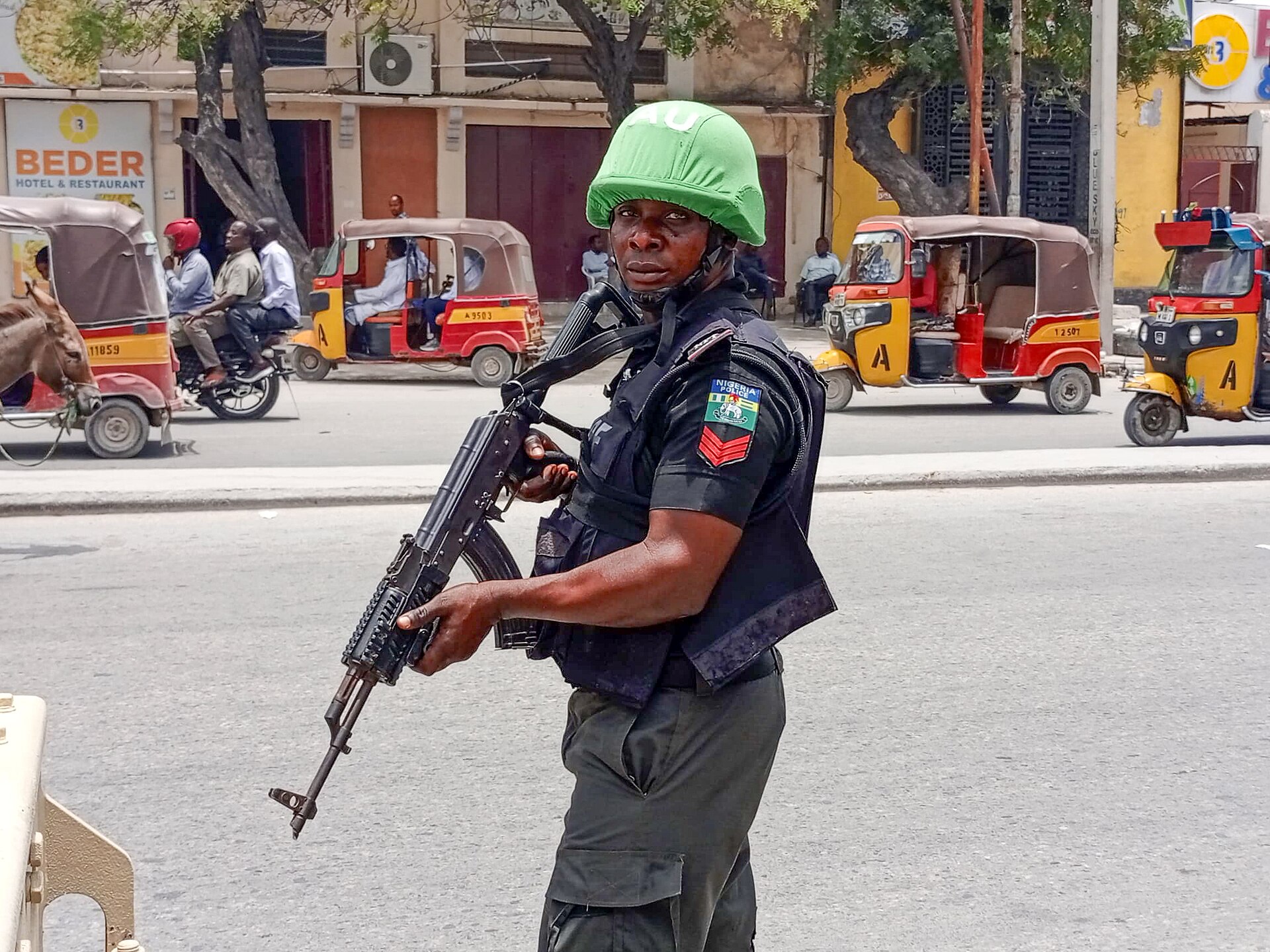
This year’s text focuses on gender-related killings, including femicide, the murder of women because they are women. It calls on states to take comprehensive, gender-responsive measures against violence, intimidation and attacks on women and girls.
France stressed online violence in the debate. The text urges states to act against it.
Negotiations were long and contested, mainly over references to sexual and reproductive health, safe abortion and gender terms. An amendment that would have made the whole resolution subject to national sovereignty was defeated.
Nine rights groups, including Amnesty International and Human Rights Watch, two global human-rights organisations, had warned that a blanket sovereignty caveat could be applied to any future resolution. Other amendments sought to delete terms such as “multiple and intersecting forms of discrimination”, “intimate partner violence” and “marital rape”, and several delegations called them backsliding.
The US delegation objected that the text kept references to sexual and reproductive health and safe abortion. It added that there is no international “right to abortion”, and it abstained on those grounds.
The result puts Washington in the same column as Russia, Belarus, Cameroon and Burkina Faso, with Argentina, a close US ally under President Javier Milei, also abstaining. Somalia stands apart from all six, because it voted no rather than abstaining.
No explanation from Somalia had been published, and no Somali official was quoted on the vote, although the debate centred on the contested language. The record available does not show how Somalia voted on earlier versions of the text.
The committee vote shows where governments stand before the full Assembly decides. Every member state can vote again there, and the tally may differ from the one in committee; for the wider picture, see Somalia’s politics and its partners.
Frequently Asked Questions
Is the resolution now international law?
No. General Assembly resolutions are not legally binding, and this one still needs a vote by the full Assembly.
Why did the United States abstain?
Its delegation objected that the text kept references to sexual and reproductive health and safe abortion. It argued there is no international right to abortion.
Why did Somalia vote against?
No reason from Somalia has been published. No Somali official has been quoted on the vote.
Sources: UN General Assembly Third Committee (vote of 17 November 2026); UN Secretary-General report (August 2026); UN Women and UN Office on Drugs and Crime femicide report (November 2025); Provisional Constitution of Somalia (2012); European Union Agency for Asylum, Somalia Country Focus (May 2025).
This article was produced by The Rio Times’ automated AI newsroom. Editorial responsibility: Matthias Camenzind, Publisher and Editor-in-Chief. The Rio Times also runs Ask Rio Times, which answers from 100,000+ of our own articles, the daily Latin America Power Map, and prediction-market odds on elections and markets.. How we use AI · Report an error
Horn of Africa and the Red Sea
- Horn of Africa 2026: Why It Matters and Who Backs Whom
- Ethiopia’s Neighbors Explained, Ports, Eritrea, Somalia
- Eritrea Explained 2026, a Red Sea Country Guide
- Somalia Explained: Al-Shabaab, Somaliland, the Ports and the Fight Over a 2026 Vote