Sao Tome Fuel Ship Due 21 October, Taps Dry

SAO TOME AND PRINCIPE · ENERGY
Key Facts
- —The country Sao Tome and Principe is a two-island, Portuguese-speaking nation in the Gulf of Guinea, off the coast of Gabon.
- —What happened Finance Minister Gareth Guadalupe said on 20 October that the tanker would arrive on 21 October at about 10:00.
- —The drought Petrol has been out for over 15 days, and taxi, motorbike and fishing crews stopped work, Téla Nón reported.
- —The water link Water carts for dry districts stopped without petrol, and they charge over 1,000 dobras (about US$45.8) per 1,000 litres.
- —The promise The minister said the cargo should cover supply until next year, though diesel for the power grid is the biggest import cost.
- —What it means for you The US State Department already warns that fuel shortages may occur on the islands, so visitors should plan for gaps.
- —Still open Arrival and unloading were not yet confirmed, and the pump price and the date shops restock are not stated.
The Sao Tome fuel ship is due to dock on Wednesday 21 October at about 10:00, the finance minister said on Tuesday. The islands have gone more than 15 days without petrol, the local news site Téla Nón reported.
The shortage has also hit drinking water, because private water carts in poor districts of the capital cannot run without petrol. For US travellers, aid workers and investors, the Sao Tome fuel ship tests whether this small nation can keep basic services running.
What the Finance Minister Promised
Gareth Guadalupe is the minister of economy and finance in the government of Prime Minister Américo Ramos, who leads the Independent Democratic Action party (ADI). He said on Tuesday 20 October, “the ship is already on its way and should arrive tomorrow, Wednesday, at around 10 o’clock”, Téla Nón reported.
The Sao Tome fuel ship carries petrol, jet fuel and household kerosene, which Téla Nón calls domestic petroleum. Guadalupe said the stock should last until next year.
A Cargo That Slipped Twice
The minister confirmed on Tuesday 6 October that petrol had run out, as an earlier report said, and promised a US$17 million order. The Sao Tome fuel ship then slipped, and on Wednesday 14 October he told citizens to plan around this Tuesday or Wednesday.
The tanker first had to finish loading diesel in Lomé, the capital of Togo, where the petrol was already on board. It then had to sail to Benin’s port of Cotonou for jet fuel and domestic petroleum.
Why the Taps Stay Dry
Several districts of the capital stayed dry while the Sao Tome fuel ship was at sea. The pipes laid by EMAE, the state water and power company, no longer deliver water in Bobô Fôrro, Água Porca, Penha and Boa Morte.
Agostinha da Glória of Bobô Fôrro said her plumbed home has had no water for about three months. Antónia Fernandes Moreno of Boa Morte said the pipes cover the whole neighbourhood, yet nothing flows.
How Petrol Feeds the Water Trade
Families turned to vendors who haul water on motorised carts, and the price passed 1,000 dobras (about US$45.8) per 1,000 litres. The trade has become profitable in the capital and its outskirts, Téla Nón reported.
Without petrol the carts stopped, and the motorbike drivers who deliver the water sit idle until the Sao Tome fuel ship docks. Households now lack water for cooking, washing and drinking.
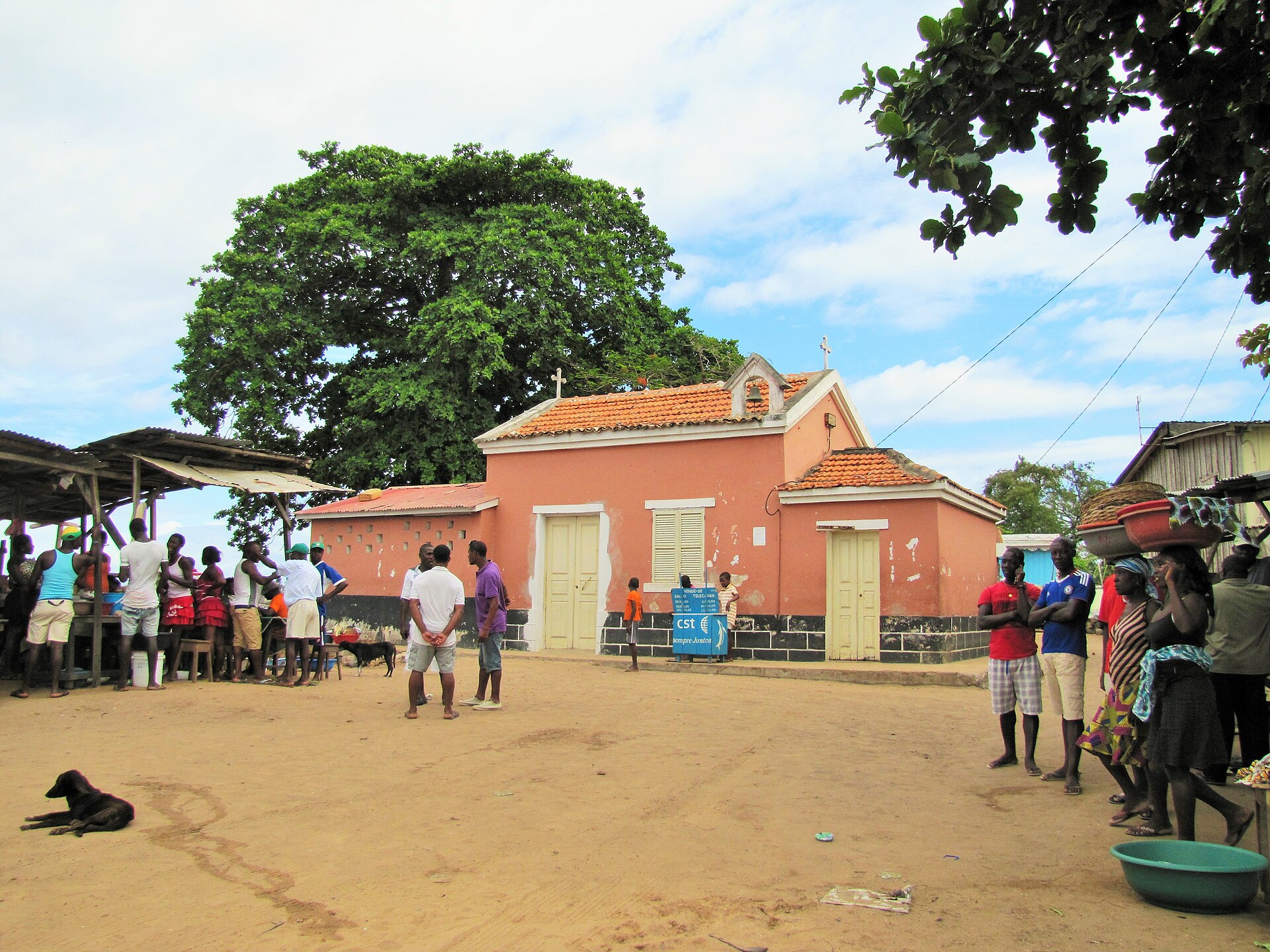
The Black Market Fills the Gap
On Friday 9 October, Téla Nón reported black-market petrol at about 100 dobras (about US$4.58) a litre, roughly triple the official price. Black-market kerosene cost 40 to 50 dobras (about US$1.83 to US$2.29) a litre.
Moto-taxi driver Claudino Sousa said he buys petrol this way to keep customers. Market vendor Neyde Bandeira said wet charcoal and missing kerosene meant she had not cooked at home for two days.
Diesel, Solar Power and Cooking Gas
More than half the cost of the latest import is diesel, which remains the main fuel for the islands’ power plants, Guadalupe said. He expects 10 to 11 megawatts of solar power on the grid by the end of 2026 to cut those imports.
The government also plans to move households away from kerosene for cooking and is working on a plant to produce cooking gas on the islands. No budget, site or start date for that plant has been published.
What It Means for US Readers
The US State Department rates Sao Tome and Principe Level 2, exercise increased caution, in an advisory issued on Friday 4 September. It warns that diesel and gasoline shortages may occur and tells travellers to plan accordingly.
US citizens are served by the US Embassy in Luanda, Angola, and medical care is limited. Visitors who rely on taxis or rental cars should confirm fuel supply with their hotel before they travel, and aid groups should stock water.
What Is Not Known
Téla Nón had not yet reported the docking or unloading of the Sao Tome fuel ship, so the date pumps reopen is open. The size of the cargo and the price of the next shipment have not been published.
It is also open how long the stock will last in practice, since the minister’s promise runs to next year. Nor has the government said when EMAE will restore water to the dry districts.
More: Africa news in English, every day from The Rio Times.
Frequently Asked Questions
When is the Sao Tome fuel ship due?
Finance Minister Gareth Guadalupe said on Tuesday 20 October that the Sao Tome fuel ship would arrive on Wednesday 21 October at about 10:00. It carries petrol, jet fuel and household kerosene.
How long has Sao Tome been without petrol before the fuel ship?
Petrol stock has been empty for more than 15 days, Téla Nón reported. Taxi drivers, motorbike riders and fishermen are the hardest hit.
Why did the petrol shortage affect drinking water?
Many dry districts of the capital buy water from vendors who deliver it on motorised carts. When petrol ran out the carts stopped, and families lost their only supply.
Is it safe for US tourists to visit Sao Tome now?
The US State Department rates the islands Level 2, exercise increased caution, mainly for health risks. It also warns that fuel shortages may occur, so travellers should plan transport in advance.
How much does water cost in the dry districts?
Vendors charge over 1,000 dobras (about US$45.8) per 1,000 litres, Téla Nón reported. Piped water from the state utility has not reached these districts for months.
Sources: Téla Nón, barco com gasolina e petróleo doméstico chega esta quarta-feira, 20 October 2026; Téla Nón, crise de água potável agudizou-se com a falta da gasolina, 20 October 2026; Téla Nón, governo anuncia novo atraso na chegada do navio petroleiro, 14 October 2026; Téla Nón, rotura de combustíveis agrava crise económica e social, 9 October 2026; US State Department, Sao Tome and Principe travel advisory, 4 September 2026.
This article was produced by The Rio Times’ automated newsroom system. How we use AI · Report an error · Editorial responsibility: Matthias Camenzind, Editor-in-Chief