São Paulo’s R$717 Million PPP Aims to Reclaim Crime-Hit Transit Hub Through Green Space
The São Paulo municipal government is injecting R$717 million (US$135 million) into a public-private partnership (PPP) to transform the blighted Parque Dom Pedro II district, a transportation nexus handling 78,000 daily bus passengers.
The 30-year contract, which could total R$2.1 billion, aims to reverse decades of decline marked by homelessness, drug use, and failed redevelopment attempts since 2012.
Central to the plan is modernizing South America’s busiest bus terminal, integrating it with the Pedro II metro station and Expresso Tiradentes rapid transit.

A new pedestrian bridge will connect the terminal to the Brás neighborhood, while future links to the Radial Leste BRT and Central VLT light rail systems aim to streamline movement.
The private operator will manage commercial galleries and event spaces atop the terminal, with 12% of revenues directed to São Paulo’s social development fund.
São Paulo Central District Revamp
Urban greening forms a key pillar, with 100,000 m² of new parks and plazas replacing concrete expanses. Skate parks, restored historic squares, and stormwater drainage upgrades aim to combat chronic flooding.
Viaducts at 25 de Março and Antônio Nakashima will be demolished, replaced by a modern bridge and reorganized roadways featuring dedicated bus lanes and motorcycle corridors.
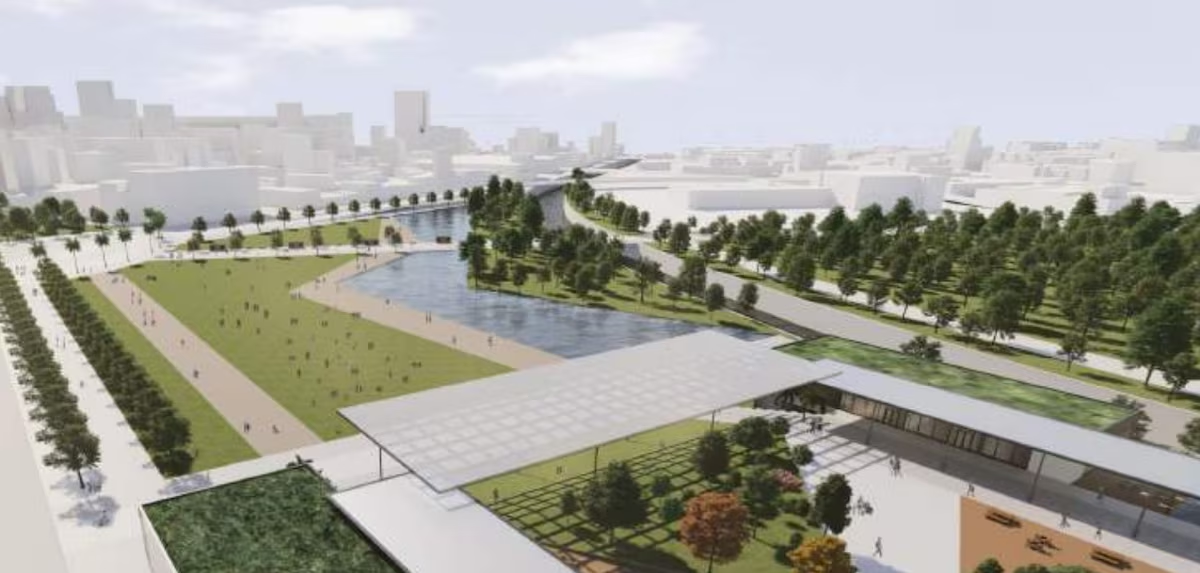
The PPP model shifts maintenance costs to the private partner, limiting municipal payments to R$5.8 million monthly. Previous revitalization efforts stalled after the 2010 demolition of iconic towers like São Vito, leaving the area increasingly desolate post-pandemic.
Current works align with broader central city upgrades, including restored markets and pedestrian zones. Officials emphasize this project avoids past pitfalls through enforceable contracts mandating security patrols, cultural programming, and free public access.
With bids evaluated on sustainability metrics and urban integration plans, the winning consortium faces pressure to deliver measurable improvements in a district long symbolic of São Paulo’s urban challenges.
More: Brazil news in English, every day from The Rio Times.
This article was produced by The Rio Times’ automated newsroom system. How we use AI · Report an error · Editorial responsibility: Matthias Camenzind, Editor-in-Chief