Beyond Simple Welfare: How São Paulo Transforms Aid Recipients into Workers
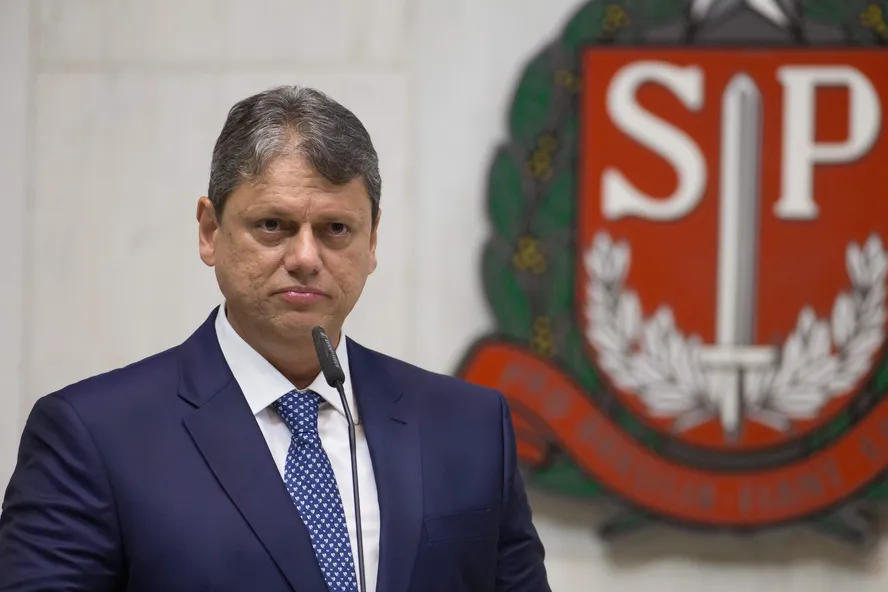
São Paulo Governor Tarcísio de Freitas unveiled his ambitious “SuperAção SP” program on Tuesday. The initiative takes a fresh approach to fighting poverty by combining immediate financial assistance with pathways to employment and self-sufficiency.
The program offers eligible families up to R$10,400 (approximately $2,000) over two years. Payments come in strategic installments that reward continued participation.
Families receive initial support upon enrollment, additional funds after completing job training, and final payments when securing employment.
“We will give the fish and teach how to fish,” explained Governor Tarcísio, addressing the traditional welfare debate. “Cash transfers help, but they aren’t enough. Vulnerable families need immediate support plus tools to enter the job market.”
At the heart of SuperAção SP are 500 specialized agents. Each professional works with no more than 20 families to create personalized development plans. These agents identify specific barriers keeping families in poverty and connect them with appropriate solutions.
The program activates 29 existing public policies across nine government departments. A mother unable to work due to childcare responsibilities receives access to daycare.
Someone lacking job qualifications gets targeted training programs. Families facing severe food insecurity receive emergency funds.
Governor Tarcísio has committed R$500 million to build this protection network, train agents, and integrate public services. An additional R$150 million will support municipal social assistance programs, representing a 62.5% increase in local funding.
A New Era of Poverty Reduction in Brazil
The Social Development Department spent a year studying 60 successful international programs before designing this initiative. Chile’s “Puente-Chile Solidário” program served as a key inspiration for the São Paulo model.
Unlike traditional Brazilian welfare approaches, SuperAção SP agents work directly for the state government rather than municipalities. This structure addresses problems identified in previous programs where local governments lacked complete teams or misused allocated funds.
Tarcísio dismisses suggestions that the program serves electoral purposes ahead of the 2026 elections. “This program runs for two years. During election time, we’ll still be midway through helping these families,” the governor stated. “Political opportunism would demand shorter-term results.”
The program represents a significant evolution in Brazil’s approach to poverty reduction. While federal programs like Bolsa Família focus primarily on income transfers, SuperAção SP creates comprehensive support systems addressing poverty’s root causes.
By investing in personalized assistance and creating clear employment pathways, the initiative aims to break dependency cycles while providing crucial immediate support. The necessary legislation for implementation heads to the São Paulo Legislative Assembly this week.
More: Brazil news in English, every day from The Rio Times.
This article was produced by The Rio Times’ automated newsroom system. How we use AI · Report an error · Editorial responsibility: Matthias Camenzind, Editor-in-Chief
Living in or visiting São Paulo? See this month's events and our São Paulo city guide with rents, safety and upcoming concerts.