São Paulo Now Outranks Florence as a World Culture Capital
Brazil · Culture
Key Facts
—The ranking. São Paulo placed seventh on Time Out’s 2026 list of the world’s best cities for art and culture.
—The company it beat. The city finished ahead of Florence, Marrakech and Copenhagen.
—The verdict. Sixty-nine percent of locals rated the arts scene good or amazing, and most called it affordable.
—A regional first. It was one of only two Latin American cities in Time Out’s 2026 top twenty.
—A second nod. A separate global ranking placed São Paulo eighteenth overall and first in Latin America.
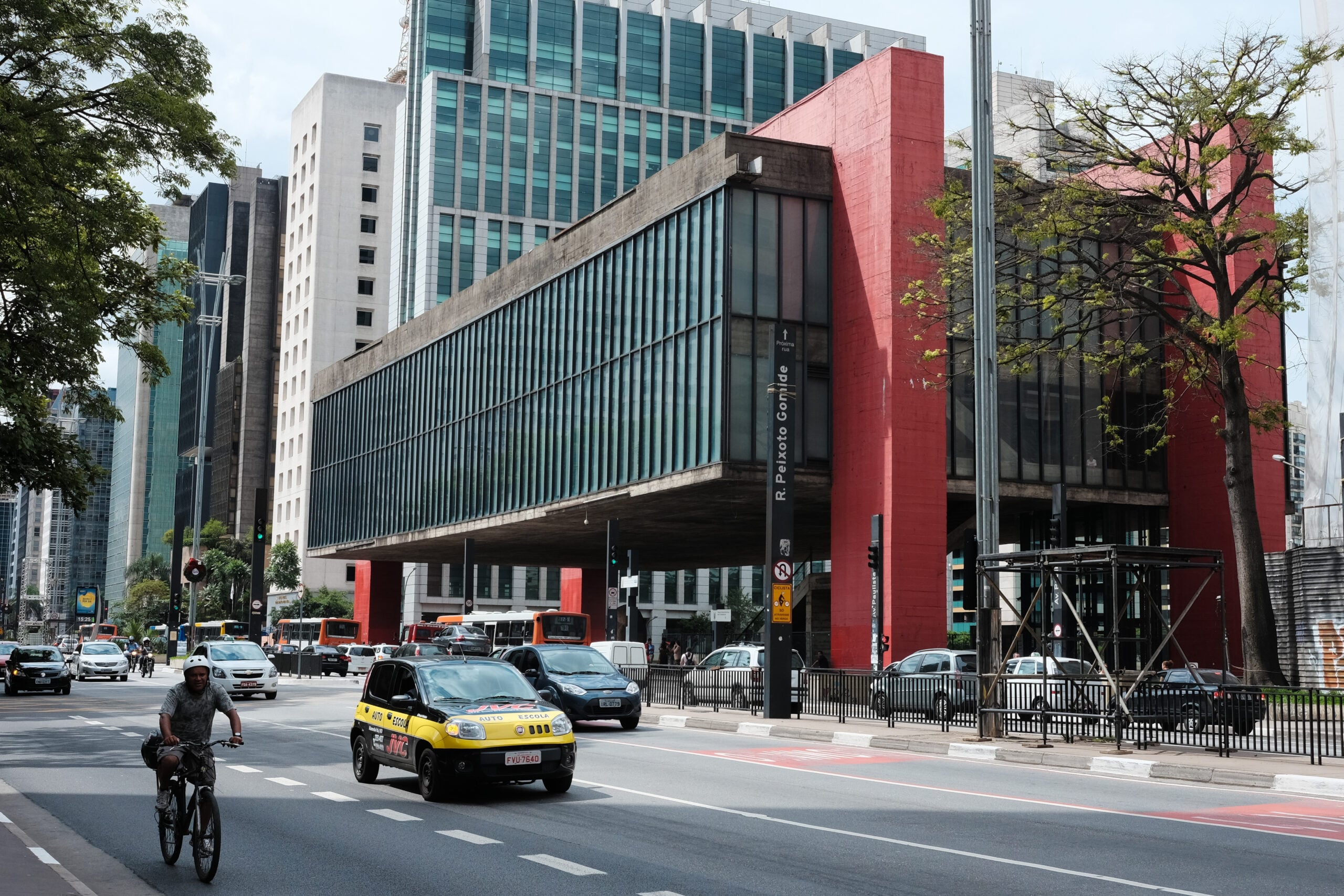
—The anchors. Institutions like MASP and the Pinacoteca anchor a fast-growing contemporary scene.
São Paulo has quietly climbed into the global top ten as a culture capital, outranking storied cities like Florence in a sign that the old map of the arts is being redrawn.
For generations, the list of the world’s great culture cities barely changed. London, Paris, New York and a handful of European jewels held the top spots almost by default.
That map is now being redrawn, and São Paulo is one of the clearest signs of the shift. The sprawling Brazilian metropolis has landed seventh on a major global ranking of the best cities for art and culture.
The list comes from Time Out, the international city guide, and is based on a survey of more than 18,500 city residents worldwide. It asked locals how good, and how affordable, their city’s cultural life really is.
São Paulo’s placing is striking for the names it left behind. The city finished ahead of Florence, the cradle of the Renaissance, as well as Marrakech and Copenhagen.
How São Paulo became a culture capital in the survey
The score rested on two things that often pull against each other: quality and access. Sixty-nine percent of locals rated the city’s art and culture as good or amazing.
Just as important, about two thirds said it was easy on the wallet. In a world where great culture often means expensive tickets, that combination is rare and valuable.
São Paulo was also one of just two Latin American cities to reach Time Out’s 2026 top twenty. The other was Guadalajara in Mexico, underlining that this was no one-off fluke for the region.
A second, separate ranking pointed the same way. The Resonance World’s Best Cities report placed São Paulo eighteenth in the world and first in all of Latin America, ahead of Mexico City, Buenos Aires and Rio de Janeiro.
What is actually on offer
Behind the numbers sits a genuine cultural engine. At its core stand two great institutions, the São Paulo Museum of Art, known as MASP, and the Pinacoteca, the state’s historic picture gallery.
Around them a contemporary scene has flourished. Spaces such as the Instituto Tomie Ohtake and the Museum of Modern Art widen the conversation, while the SP-Arte fair draws international collectors each year.
The galleries have multiplied alongside them. Districts such as Jardins and Pinheiros now host dozens of independent spaces, giving younger Brazilian artists room to show and sell their work.
Food has become part of the cultural pitch too. The return of the Michelin guide to Brazil put a fresh spotlight on São Paulo restaurants that already enjoyed global reputations.
The culture spills well beyond gallery walls. The city is famous for its street art, its theatres and a restaurant scene routinely counted among the five best in the world.
Its nightlife is just as central to the appeal. Neighbourhoods like Vila Madalena and the Baixo Augusta strip stay busy seven nights a week, giving the city a rhythm that rarely stops.
Why the recognition matters
For a foreign reader, the rankings are more than civic bragging rights. A strong cultural reputation is increasingly tied to a city’s ability to attract talent, tourists and investment.
São Paulo is already Latin America’s main business and financial hub. A thriving arts scene helps it compete with global rivals for the skilled, mobile workers that modern industries chase.
It also reshapes how outsiders see the place. The city has long been viewed abroad as a hard-working financial centre, not a cultural destination, and these lists chip away at that image.
The deeper story is about geography. Culture is no longer concentrated in a few old capitals, and cities once seen as peripheral are claiming a place at the centre. Yet our reporting has shown that global rankings increasingly celebrate scale, visibility and economic power, sometimes leaving out the quieter qualities that often matter more to residents. São Paulo’s momentum is real, but the survey’s focus on affordability and local enthusiasm captures something rankings built on economic heft often miss.
More: Brazil news in English, every day from The Rio Times.
Frequently Asked Questions
Where did São Paulo rank for culture?
It placed seventh on Time Out’s 2026 ranking of the world’s best cities for art and culture. The list was based on a survey of more than 18,500 city residents around the world.
Which cities did it beat?
São Paulo finished ahead of Florence, Marrakech and Copenhagen. It was also one of only two Latin American cities, alongside Guadalajara, to reach the global top twenty.
Why does the ranking matter?
A strong cultural reputation helps a city attract talent, tourists and investment. For São Paulo, already the region’s business hub, it strengthens its hand in competing with global rivals.
Connected Coverage
This article was produced by The Rio Times’ automated newsroom system. How we use AI · Report an error · Editorial responsibility: Matthias Camenzind, Editor-in-Chief