Rio Police Occupy Favelas After Head Found
A severed head, funeral wreaths for two captains and an arrest over a threat have pushed Rio’s police into an open-ended occupation of two communities. The homicide police hold the head, and no date has been given for the occupation to end.

Security: Brazil
Police cleaning the yard of a battalion in Rio de Janeiro on Friday morning found a decomposing human head in a plastic bag. By afternoon the state Military Police had begun occupying two nearby communities, Teixeiras and Jordão, for an indefinite time.
The order came on Friday 27 November 2026 from Colonel Sylvio Guerra, the state secretary who commands the Military Police of Rio de Janeiro state (PMERJ). The scene was sealed for forensic examination, and the Capital Homicide Precinct (DHC), a Civil Police unit, is investigating the head.
Key Facts
- Who. PMERJ, Rio state’s uniformed police, and its 18th Battalion in Jacarepaguá.
- What. Indefinite occupation of Teixeiras and Jordão in Jacarepaguá, west Rio, after a human head was found.
- When. Ordered Friday 27 November 2026; the occupation continues.
- As of. 29 November 2026, 05:00 GMT
- Power Index. Brazil ranks 1st of 14 in The Rio Times Latin America Power Index, with 74.2 points (November 2026 edition).
A severed head, funeral wreaths for two captains and an arrest over a threat have pushed Rio’s police into an open-ended occupation of two communities. The homicide police hold the head, and no date has been given for the occupation to end.
The threats began this month, and the force ties them to its campaign against drug trafficking in Gardênia Azul, a community in the area. On Wednesday 11 November police arrested Marcus Vinicius Salviano de Farias Rocha, known as Gday, whom they describe as the local trafficking chief.
Five days later, on Monday 16 November, two men on a motorbike left two funeral wreaths on the battalion’s entrance wall. They carried the names of two captains of the unit, both alive, with messages referring to death and war; one man was held at the scene and charged in the act with making a threat at the 32nd Police Station, a Civil Police unit in Taquara, a district of west Rio.
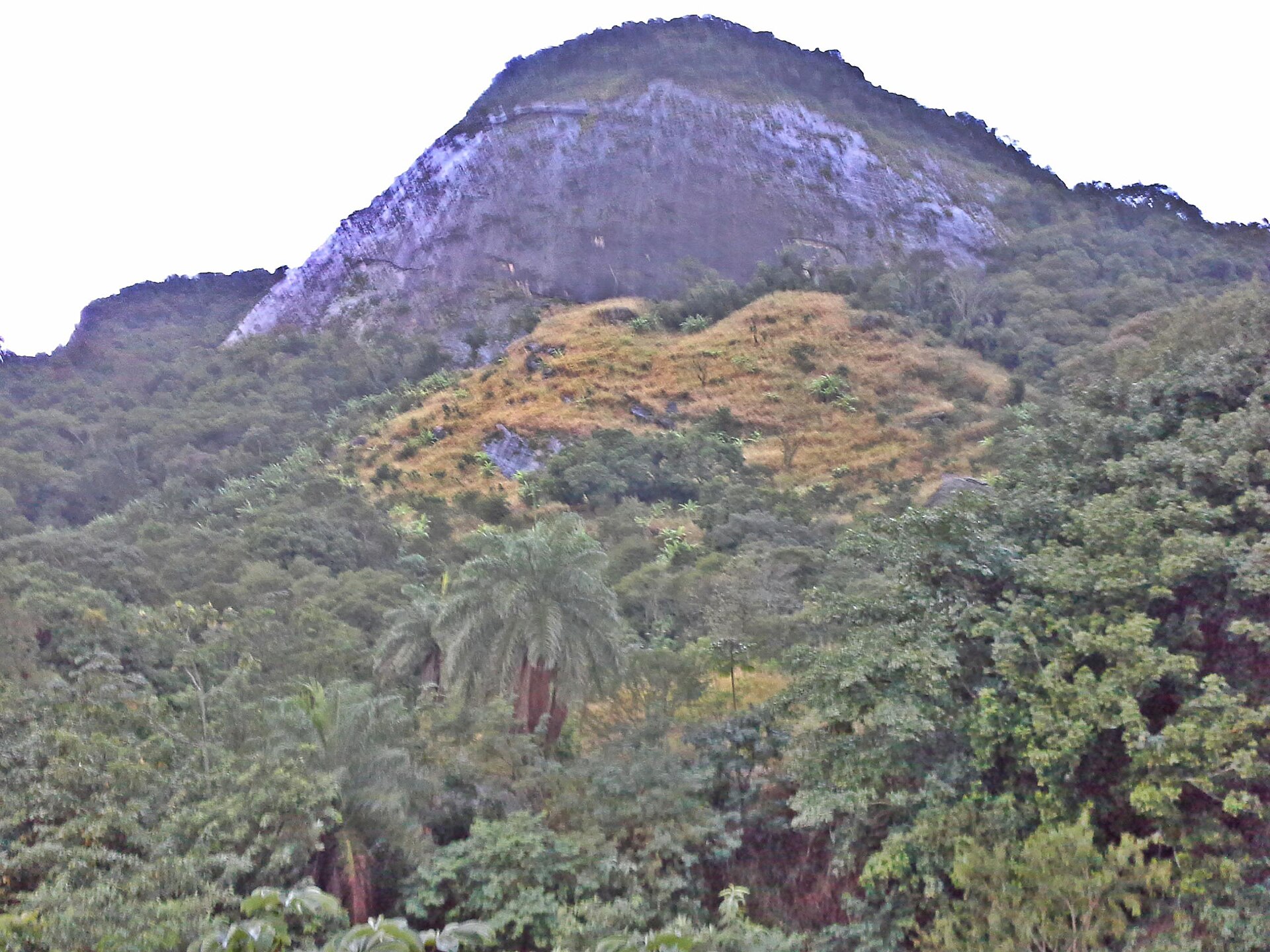
The Military Police treat the head as a possible attempt at intimidation, which is a police assessment and not a finding of the investigation. The Capital Homicide Precinct holds the head and the scene.
The force says the 18th Battalion has seized 66 rifles, more than 110 pistols and 28 revolvers so far in 2026, and that its operations in Jacarepaguá have led to more than 590 arrests. It says the unit will keep receiving operational and logistical support to continue those operations and confront territorial disputes in the south-west of Rio.
The police have not said who the dead person was, how the head reached the yard, or whether it is linked to the wreaths. The force also has not said how many officers hold the two communities or what would end the occupation, and no suspect has been publicly tied to the head.
The occupation lands in a year when Rio’s police killings have been falling. The Public Security Institute (ISP-Rio), the state statistics body, counted 538 deaths by state agents from January to October 2026, down 22.7% on the same months of 2025, according to the figures it released on Tuesday 17 November.
Police work in Rio’s favelas is also bound by a Supreme Court case known as the ADPF das Favelas. In April 2025 the court partly approved the state’s own plan to cut police lethality, which includes body cameras on uniforms.
No date has been announced for the end of the occupation, and none for the forensic results. The next public information is likely to come from the DHC, which holds the head and the scene, and from the force’s own notes on how the occupation is going, since the link between the threats and the death is still open.
Frequently Asked Questions
Why did police occupy these two communities?
The force says the order followed a pattern of threats against the 18th Battalion that it links to its operations against drug trafficking. It has not tied the head to any suspect.
Is the head linked to the earlier threats?
The Military Police treats it as a possible attempt at intimidation, but investigators have not confirmed any link. The homicide precinct leads the inquiry.
What happens next?
The occupation has no announced end date, so it depends on what police find on the ground. The homicide precinct’s work on the head will decide whether the threats and the death are connected.
Living in or visiting Rio de Janeiro? See this month's events and our Rio de Janeiro city guide with rents, safety and upcoming concerts.
Sources
Sources
- Secretaria de Estado de Polícia Militar do Rio de Janeiro
- Polícia Civil do Estado do Rio de Janeiro, 32nd Police Station and DHC
- Instituto de Segurança Pública (ISP-Rio)
- Supremo Tribunal Federal, ADPF 635
This article was produced by The Rio Times’ automated AI newsroom. Editorial responsibility: Matthias Camenzind, Publisher and Editor-in-Chief. The Rio Times also runs Ask Rio Times, which answers from 100,000+ of our own articles, the daily Latin America Power Map, and prediction-market odds on elections and markets.. How we use AI · Report an error
Connected Coverage
More: Brazil news
Further reading: Rio Police Arrest Officer Over Militia · Rio State Survey Finds 1 in 3 in Gang Areas · Rio Gang Hijacks 3 Buses After Boss Arrest
Brazil runoff, Sunday, October 25: Brazil runoff: date, poll closing times and when results start. Latest: Brazil runoff polls, Flávio 51%, Lula 49%.