This increase has led the U.S. CDC to issue travel advisories, urging travelers to take standard preventive measures.
Efforts by Costa Rica’s Ministry of Health to curb the spread include widespread fumigation and educational initiatives aimed at mosquito breeding prevention.
Despite these measures, the widespread adoption of preventative solutions, such as the Dengvaxia® vaccine, remains limited.
The rise in dengue cases is linked to various factors, including climate phenomena like El Niño and the broader impact of global warming.
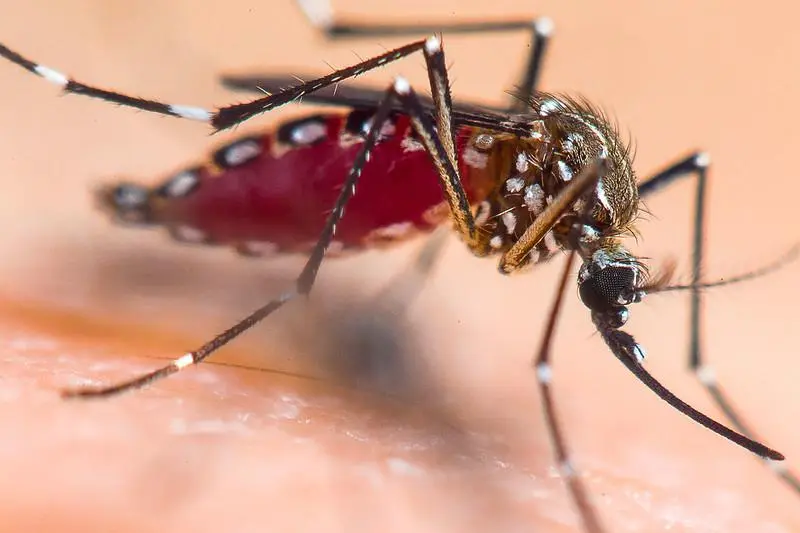
These conditions are conducive to the proliferation and spread of the Aedes aegypti mosquito, the main carrier of dengue. They present substantial hurdles in disease management.
Addressing the Dengue Fever Crisis in the Americas
The ongoing dengue fever crisis underlines a pivotal moment for public health in the Americas.
A holistic approach is required, focusing on mosquito control, healthcare improvement, and community engagement to eradicate breeding grounds.
Expanding vaccine accessibility is crucial for halting the spread of dengue and safeguarding at-risk populations throughout the region.
Pioneering new preventive technologies further enhance these efforts.
This scenario underscores the importance of a collaborative and proactive stance in addressing and mitigating the impacts of dengue fever.
This article was produced by The Rio Times’ automated AI newsroom. Editorial responsibility: Matthias Camenzind, Publisher and Editor-in-Chief. The Rio Times also runs Ask Rio Times, which answers from 100,000+ of our own articles, the daily Latin America Power Map, and prediction-market odds on elections and markets.. How we use AI · Report an error