Porsche begins producing synthetic fuels at its Chilean pilot plant
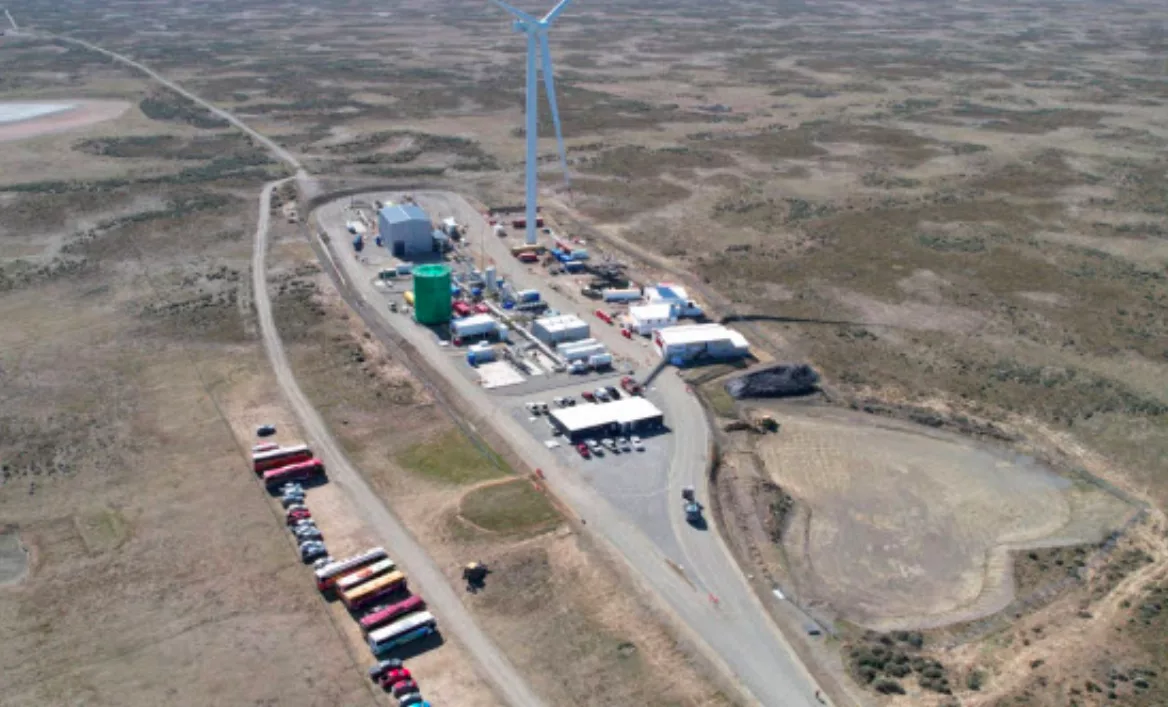
Porsche and international partners working with the Chilean operating company Highly Innovative Fuels (HIF) have started the industrial production of synthetic fuel.
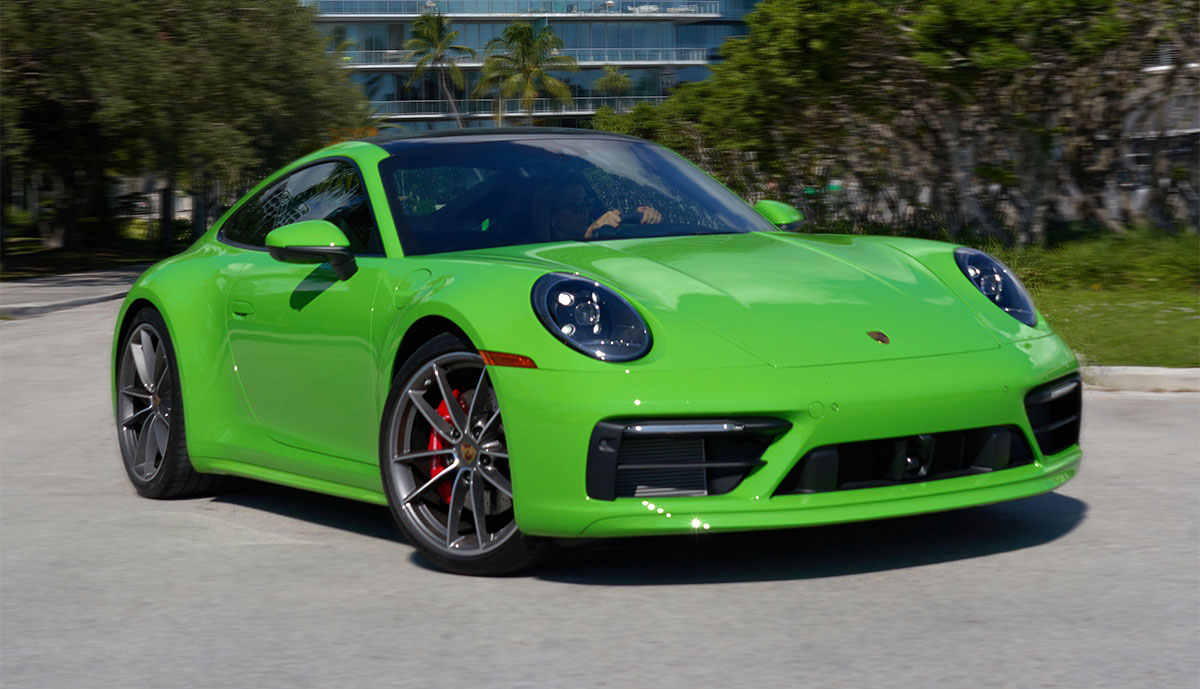
The pilot plant “Haru Oni” in Punta Arenas (Chile) was officially opened today in the presence of the Chilean Energy Minister Diego Pardow. Porsche board members Barbara Frenkel and Michael Steiner celebrated the fueling of a Porsche 911 with the first locally produced synthetic fuel. eFuels produced with wind energy from water and carbon dioxide allow petrol engines to be operated with virtually no CO2 emissions.
“Porsche relies on a double E: Electromobility and eFuels. The use of eFuels reduces CO2 emissions. With a view to the entire transport sector, the industrial production of synthetic fuels should be further promoted worldwide. With the eFuels pilot plant, Porsche is playing a driving role in this development,” says Barbara Frenkel, Board Member for Procurement at Porsche AG.
“The potential of eFuels is very large. Today there are more than 1.3 billion combustion vehicles worldwide. Many of them will be on the road for decades to come. eFuels offer the owners of existing vehicles a perspective. As a manufacturer of high-performance and efficient engines, Porsche has extensive know-how in the field of fuels,” adds Michael Steiner, Member of the Board of Management for Development and Research at Porsche AG.
In the pilot phase, eFuels production of around 130,000 liters per year is planned. The fuel will initially be used in lighthouse projects such as the Porsche Mobil 1 Supercup and in the Porsche Experience Centers.
After the pilot phase, the project in Chile is expected to reach around 55 million liters per year with the first scaling by the middle of the decade. Around two years later, the capacity should be 550 million liters.
The south of Chile offers ideal conditions for the production of eFuels: There, the wind blows around 270 days a year so that wind turbines can run at full capacity. Punta Arenas is also very close to the Strait of Magellan. From the port of Cabo Negro, the synthetic eFuel can be transported around the world in the same way as conventional fuels and distributed via the existing infrastructure.
Porsche is working towards a balance sheet CO2-neutral value chain in 2030. This also includes a balance sheet CO2-neutral usage phase for future all-electric models.
Synthetic fuels complement electromobility and are part of the sports car manufacturer’s sustainability strategy. To date, Porsche has invested more than US$100 million in the development and provision of eFuels. In April 2022, the sports car manufacturer took a US$75 million stake in HIF Global LLC. This plans, builds and operates eFuel plants in Chile, the USA and Australia.
With information from latinapress
More: Brazil news in English, every day from The Rio Times.
Editorial responsibility: Matthias Camenzind, Editor-in-Chief · Editorial standards · Report an error