Peru Moves to Expel 60 Foreigners After Trujillo Raid

PERU · SECURITY
Key Facts
- —The country Peru is an Andean nation on the Pacific whose new government, led by Keiko Fujimori, has launched a nationwide crime crackdown.
- —What happened Police and migration officers stopped 260 foreigners across Trujillo on Friday 9 October and took them to a police base to check their papers.
- —The result Officials found 60 of them in Peru without legal migration status, and those 60 now face procedures that could end in expulsion.
- —Who ran it The Interior Ministry ran it with Migraciones, the migration agency, and the police; Interior Minister César Astudillo supervised on site.
- —Why now President Keiko Fujimori promised on 7 October to expel foreigners who came to break the law “in record time”.
- —For US travellers The US State Department rates Peru at Level 2, exercise increased caution, and La Libertad is not one of its do-not-travel areas.
- —Still open The government has not said which nationalities were involved or whether anyone faces criminal charges.
Peru’s police and migration agency stopped 260 foreigners in the northern city of Trujillo on Friday 9 October, and 60 now face expulsion proceedings. The Trujillo raid follows President Keiko Fujimori’s promise to expel foreigners who break the law “in record time”.
For US visitors and residents, the message is that street checks of foreigners’ papers are part of Peru’s crime crackdown. The US State Department already advises Americans to exercise increased caution in Peru because of crime.
How the Trujillo Raid Unfolded
In the Trujillo raid, officers stopped 260 foreigners at key points of the city, according to the Interior Ministry. They took them to the base of the Escuadrón Verde, a police unit, to check their migration status.
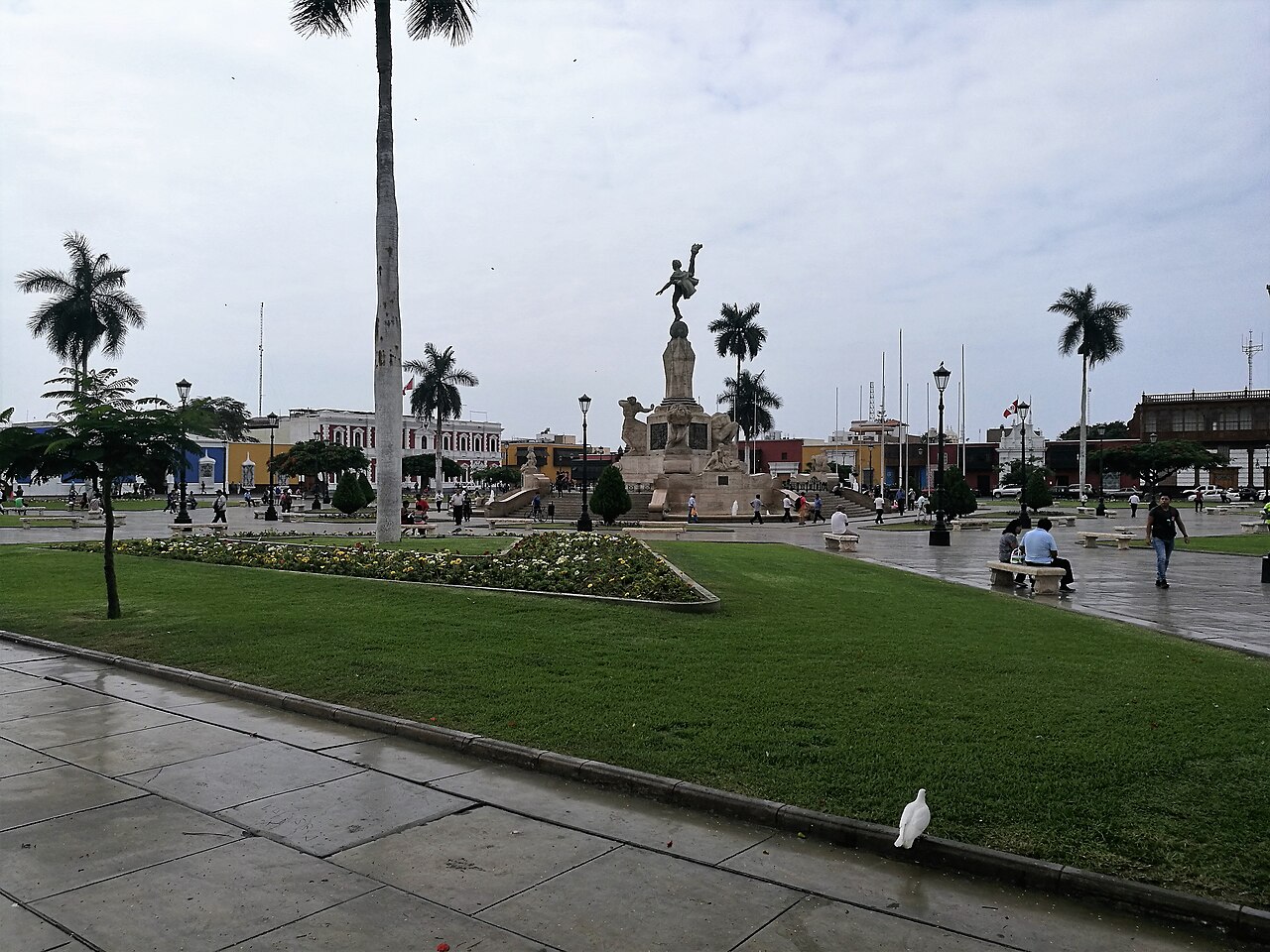
The ministry called it the first large-scale migration operation of its kind in Trujillo. Trujillo is the capital of La Libertad, a coastal region in northern Peru.
Interior Minister César Astudillo and Luis Yunis Herrera, head of Migraciones, supervised the checks in person. Migraciones is the national migration agency, which runs border checks, issues Peruvian passports and handles residence permits for foreigners.
“This operation seeks to restore order through migration control,” Yunis Herrera said in the Migraciones statement. “We are acting firmly, but also respecting human rights; let there be no doubt about that.”
What Happens to the 60 People Found Without Status
Officials found that 60 of the foreigners were in Peru irregularly, without a valid migration status such as a current visa or residence permit. The ministry said they “will be subjected to the corresponding procedures” to decide on their expulsion.
Detecting an irregular status in the Trujillo raid does not mean anyone has already been expelled, as La República noted. The statements say nothing further about the other 200 people who were checked.
A Wider Security Push in La Libertad
The raid came on the same day that Fujimori visited Trujillo to present the first results of a new joint command. That Comando Unificado puts the National Police and the armed forces under one operational plan against organised crime.
Elite police officers, some moved from Lima to Trujillo, now reinforce the effort, including the special operations directorate Dinoes and the Grecco organised-crime squad. The arms regulator Sucamec showed 210 firearms, 120 of them from seizures in the gold-mining area of Pataz, joint raids and voluntary hand-ins.
Fujimori announced the command on Wednesday 7 October. In a government statement, she vowed: “We are going to expel in record time the foreigners who came to break the law and attack Peruvians.”
What It Means for You
The US State Department rates Peru at Level 2, “exercise increased caution due to crime, civil unrest, and the risk of kidnapping”. Its do-not-travel zones are the Colombian border area of Loreto and the VRAEM, the Apurímac, Ene and Mantaro river valleys, not La Libertad.
The checks aimed to find people without legal status, and nothing in the government’s statements targets tourists who entered legally. Still, the Trujillo raid shows that foreigners stopped in such sweeps may be taken to a police base until officers confirm their papers.
Visitors to Trujillo, the nearby beach town of Huanchaco or the adobe ruins of Chan Chan should be ready to show a passport. Expats with residence permits should check that the document is current.
Fujimori is also looking abroad for models of her crackdown. She plans to visit El Salvador from 28 to 31 October, including the CECOT mega-prison for gang members, according to El Comercio.
What Is Not Known
The government has not said which countries the 260 people came from, or whether any of the 60 were linked to crimes. It has also not said how long expulsion procedures will take.
Officials have not said whether sweeps like the Trujillo raid will reach Lima, Cusco or other cities that receive many foreign visitors. Migraciones said only that it will keep running checks with the police.
More: Peru news in English, every day from The Rio Times.
Frequently Asked Questions
What happened in Trujillo on 9 October?
Peru’s Interior Ministry, Migraciones and the National Police stopped 260 foreigners across the city and checked their migration papers at a police base. Sixty were found without legal status and face procedures that could end in expulsion.
Are US tourists affected by the Trujillo raid?
The government says the checks aimed to find people without legal migration status. Tourists who entered legally are not the stated target. Still, the foreigners stopped in the sweep were taken to a police base for checks.
Is it safe to travel to Trujillo?
The US State Department rates Peru at Level 2, exercise increased caution, because of crime. La Libertad, the region around Trujillo, is not one of its do-not-travel areas.
Why is Peru moving to expel foreigners now?
President Keiko Fujimori promised on 7 October to expel foreigners who came to break the law in record time. The Trujillo raid is part of a wider crime crackdown in La Libertad, the region around the city.
Sources: Ministerio del Interior, Gobierno ejecuta megaoperativo migratorio en Trujillo, 9 October 2026; Superintendencia Nacional de Migraciones, Gobierno ejecuta megaoperativo migratorio en Trujillo, 9 October 2026; Ministerio del Interior, Comando Unificado en La Libertad, 9 October 2026; Ministerio del Interior, Presidenta Fujimori anuncia creación de Comando Unificado, 7 October 2026; US Department of State, Peru Travel Advisory, 16 May 2025; La República, Megaoperativo en Trujillo, 9 October 2026; El Comercio, Keiko Fujimori viajará a El Salvador, 9 October 2026.
This article was produced by The Rio Times’ automated newsroom system. How we use AI · Report an error · Editorial responsibility: Matthias Camenzind, Editor-in-Chief