Oncoclínicas Rides Wave of Investor Confidence After Funding Round
Oncoclínicas has significantly enhanced its financial status with a massive R$1.5 billion ($290 million) capital infusion from issuing new shares.
This move catapulted its stock by 18% at market open, eventually stabilizing with a 15.57% gain.
As a leading network of cancer care clinics in Brazil, Oncoclínicas plays a crucial role in advancing cancer treatment and patient care regionally.
The shares, issued at a 74% premium at R$13 each, reached their highest value since last April on Wednesday.
Key investors included Banco Master with R$1 billion ($194 million) and CEO Bruno Lemos Ferrari, who contributed R$500 million ($97 million).
Subsequently, Banco Master’s funds, Quiron and Tessália, will secure a 12% stake in Oncoclínicas, potentially increasing to 18% after further acquisitions.
CEO Ferrari’s stake will rise to 8.5%, while Goldman Sachs decreased its share from 45% to 37%.
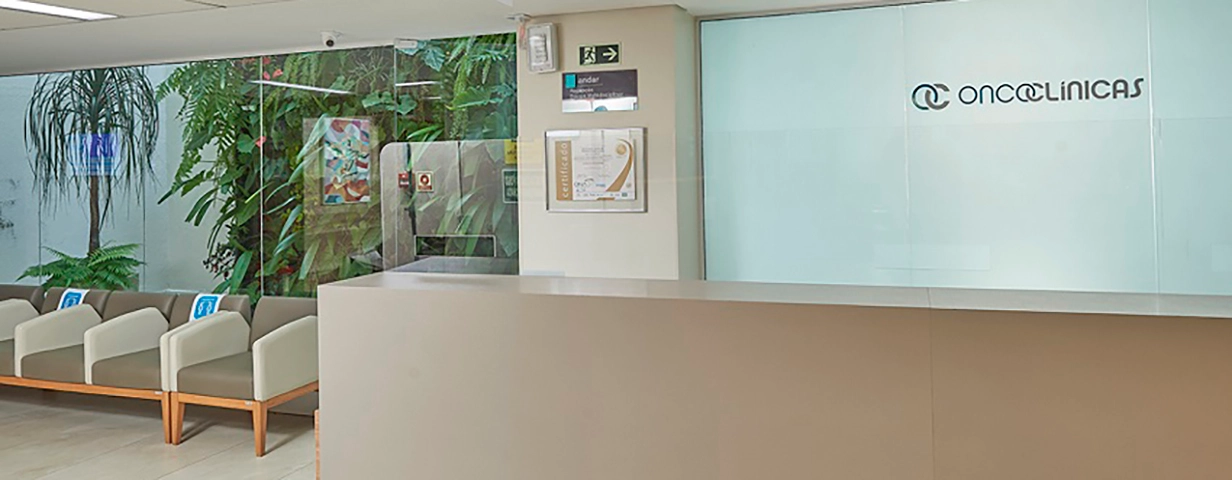
This capital boost extends beyond financial stabilization to propel Oncoclínicas’ growth strategy.
It also occurs as employment in the sector declines, indicating a shift toward more cost-efficient practices, possibly through automation.
Moreover, this increase in capital significantly reduces market concerns about high leverage, bolstering investor confidence.
Oncoclínicas Rides Wave of Investor Confidence After Funding Round
Financial analysts have responded favorably to this strategic financial maneuver.
Bradesco BBI praised the move for mitigating leverage concerns and recognized the premium as indicative of strong future earnings.
Itaú BBA viewed the premium as a reinforcement of market confidence, particularly notable amid financial restructuring.
JPMorgan projected a 15% EPS rise by 2025 and raised Oncoclínicas‘ target price to R$8, keeping a neutral outlook.
This financial move marks a key milestone for Oncoclínicas, enhancing its market position and financial health, attracting investor interest.
This article was produced by The Rio Times’ automated newsroom system. How we use AI · Report an error · Editorial responsibility: Matthias Camenzind, Editor-in-Chief
LatAm Markets: Live Signals → — real-time movers, turnover leaders and FX across Latin America.