
NIGERIA · CENTRAL BANK DATA
Key Facts
- —The country Nigeria is Africa’s most populous country, and its currency is the naira; the Central Bank of Nigeria is led by Governor Olayemi Cardoso.
- —What happened Nigeria cash outside banks rose by N48.7 billion (about US$36.5 million) to N4.92 trillion (about US$3.69 billion) in September 2026, the central bank’s data show.
- —What it measures It counts naira notes and coins held by households and businesses, not the money sitting in bank vaults.
- —The comparison August stood at N4.87 trillion (about US$3.65 billion) and September 2025 at N4.47 trillion (about US$3.35 billion), so the yearly rise is 10.3%.
- —The share of all cash Cash outside banks is 89.2% of all naira in circulation, N5.52 trillion (about US$4.14 billion); the central bank wants it below 40% by 2028.
- —Rate basis Conversions use 1,334 naira to the US dollar, the market rate on 22 October 2026.
- —Still open The central bank has not said why cash held outside banks has risen again after falling in June and July.
Nigeria cash outside banks rose by N48.7 billion (about US$36.5 million) in September 2026, to N4.92 trillion (about US$3.69 billion), central bank data show. The increase is about 1% on August, and the level is the highest since May.
For US readers, Nigeria cash outside banks shows how much of Africa’s largest economy still runs on paper money. That matters to payment firms, lenders and investors in Nigerian debt, and the central bank wants the share cut sharply by 2028.
What the Central Bank Figures Show
The central bank’s money and credit statistics list currency outside banks at N4.92 trillion (about US$3.69 billion) for September 2026. That is N48.7 billion (about US$36.5 million) more than the N4.87 trillion (about US$3.65 billion) recorded in August.
The Nairametrics business site reported the rise on Thursday 22 October 2026, giving the same N4.92 trillion (about US$3.69 billion) figure. Nigeria cash outside banks is one line of the central bank’s monthly tables, which also give the broad money supply and bank credit.
Nigeria Cash Outside Banks Against Last Year
A year earlier, in September 2025, the figure stood at N4.47 trillion (about US$3.35 billion), so the yearly rise is about 10.3%. The peak came in December 2025 at N5.41 trillion (about US$4.05 billion), and September’s level is about 9% below it.
After that peak the figure slid to N4.80 trillion (about US$3.60 billion) in July 2026, before two small rises in August and September. In both 2024 and 2025, cash outside banks climbed each month from October to December and fell in January.
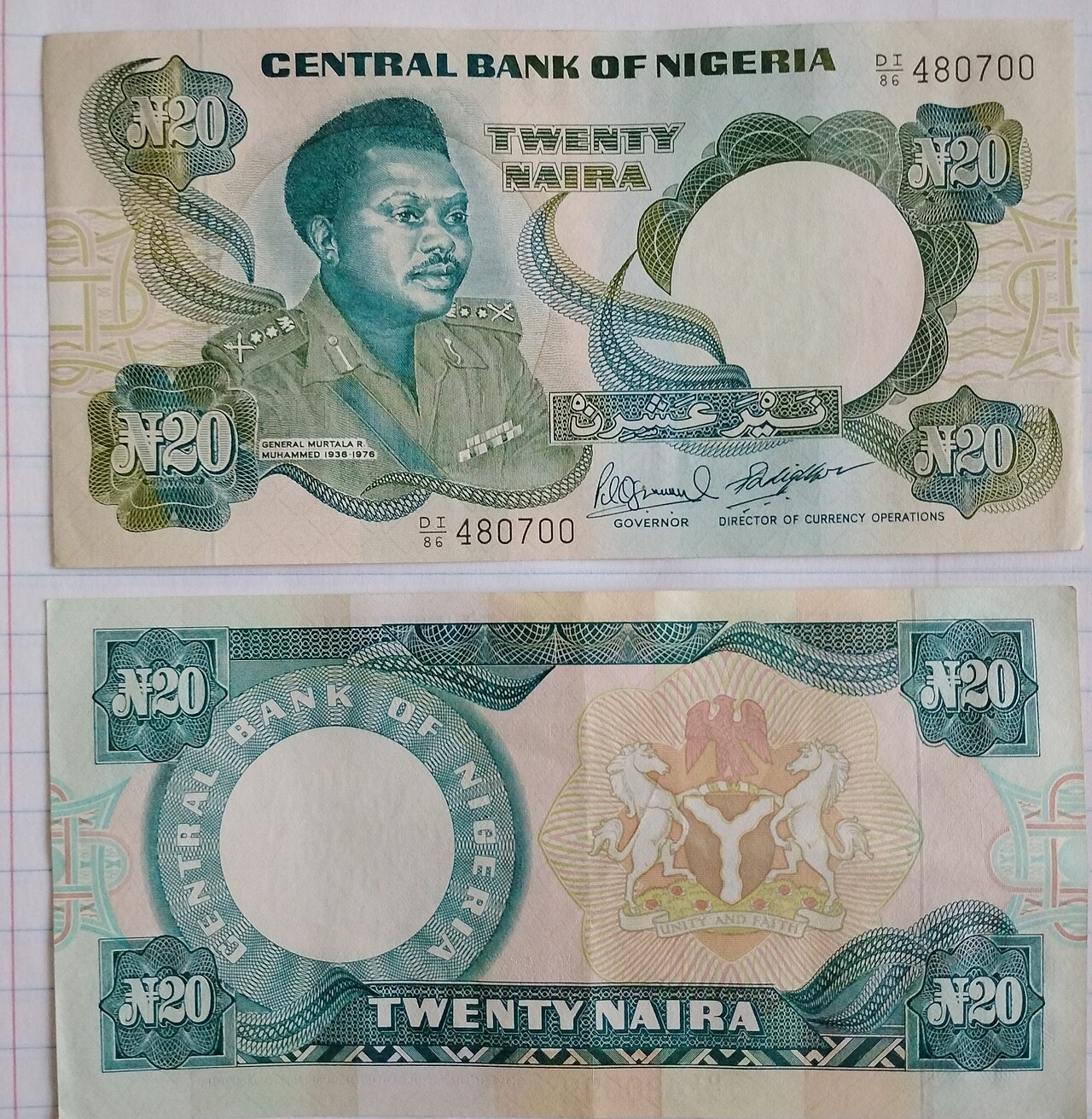
How Much of Nigeria’s Money Is Cash
All naira notes and coins in circulation came to N5.52 trillion (about US$4.14 billion) in September. Banks held N594 billion (about US$446 million) of that in vaults, and the public held the other 89.2%.
Nigeria cash outside banks is a small slice of the overall money stock, since deposits make up most of it. The central bank’s narrow money measure, cash plus demand deposits, was N44.05 trillion (about US$33.0 billion), so cash is about 11% of it.
A Different Measure From Money Supply
Rio Times reported that Nigeria’s broad money supply, known as M3, reached N146.6 trillion (about US$109.9 billion) in September. Cash outside banks is a small part of that total, about 3.4%, and moves on its own.
This article covers the cash line only, and the companion explainer looks at why many Nigerians keep notes at home or in shops. The two pieces use the same central bank release but answer different questions.
The 2028 Target to Cut Cash Use
On Monday 1 June 2026, Governor Olayemi Cardoso launched the Nigeria Payments System Vision 2028 in Abuja. It aims to get cash outside banks below 40% of currency in circulation, against 89.2% in September.
The plan also aims to bring about 50 million more Nigerians into bank accounts or wallets by 2028, lifting adult inclusion to 95%. Cardoso said at the launch that cash should no longer be king, according to the Gazette news site.
What It Means for US Readers
Payment companies, banks and fintech investors watch Nigeria cash outside banks because a large cash economy leaves more room for digital payment growth. The September rise shows how much of that room is still untouched.
Holders of naira bonds and US firms selling to Nigerian shoppers should also note that a cash-heavy economy is harder to tax and track. The figures say nothing about the naira’s exchange rate, so they are no guide to currency moves.
What Is Not Known
The central bank has not said why Nigeria cash outside banks rose in August and September after falling in June and July. It is also unclear whether the rise reflects shopping demand, savings habits or weaker trust in bank channels.
The data feed gives no split of cash by note size or region, and it has no reading for March 2026. October and November figures will show whether the usual year-end build-up of cash is starting again.
More: Nigeria news in English, every day from The Rio Times.
Frequently Asked Questions
What does cash outside banks mean in Nigeria?
It is the value of naira notes and coins held by households and businesses rather than inside bank vaults. The Central Bank of Nigeria publishes it each month in its money and credit statistics.
How much cash is outside Nigerian banks now?
The central bank’s data show N4.92 trillion (about US$3.69 billion) in September 2026, up N48.7 billion (about US$36.5 million) from August. That is about 10.3% more than a year earlier.
Is Nigeria cash outside banks the same as money supply?
No, money supply, or M3, is the broad total of cash, deposits and other money, and it stood at N146.6 trillion (about US$109.9 billion). Cash outside banks is about 3.4% of it.
What is the central bank’s target for cash outside banks?
Under its Payments System Vision 2028, the central bank wants cash outside banks below 40% of currency in circulation. In September 2026 the share was 89.2%.
Which exchange rate does this article use?
The US$ figures use 1,334 naira per dollar, the market rate on 22 October 2026. Older figures are converted at the same rate so that they can be compared.
Sources: Central Bank of Nigeria, Money and Credit Statistics, 22 October 2026; Nairametrics, 22 October 2026; Gazette Nigeria, 1 June 2026.
This article was produced by The Rio Times’ automated newsroom system. How we use AI · Report an error · Editorial responsibility: Matthias Camenzind, Editor-in-Chief