Morumbi: From Pastoral Lands to São Paulo’s Elite Enclave
Nestled in São Paulo’s dynamic landscape, Morumbi emerges as a beacon of tranquility and exclusivity.
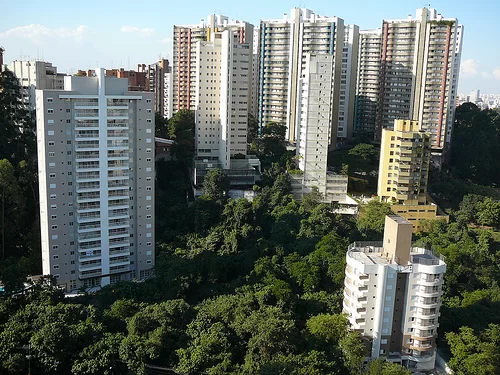
This neighborhood, once dominated by sprawling rural estates, has transformed into one of the city’s most prestigious areas, merging modernity with its pastoral roots.
Situated in the city’s Western Zone, Morumbi is officially part of the southwestern region, despite common misconceptions of its southern alignment.
The area is a suburban idyll with over 30,000 residents enjoying an 11.4 square kilometer expanse of leafy streets, cozy homes, and cutting-edge architecture.
It’s just a stone’s throw from Congonhas Airport and major thoroughfares like Avenida Morumbi and Engenheiro Luís Carlos Berrini.
Living in Morumbi carries a certain cachet, with rental prices averaging R$5,000 ($980), soaring as high as R$21,880 ($4,300) in some sectors.
Those looking to buy can expect prices from R$200,000 ($39,000) to a staggering R$12 million ($2.4 million).
This financial landscape underscores Morumbi’s status as a hub for the affluent.
Transport links boost its appeal with close access to major routes like Marginal Pinheiros and Ponte Estaiada.
Local infrastructure underpins a strong public transport system, with buses and the Esmeralda Line enhancing city connectivity.
Security is complex; while the Government Palace increases police presence, proximity to the large favela Paraisópolis poses challenges.
This juxtaposition highlights the complex social fabric within which Morumbi sits.
Morumbi: From Pastoral Lands to São Paulo’s Elite Enclave
The neighborhood’s rich history dates back to the 19th century when Englishman John Rudge acquired the land.
By 1948, the once-rural area pivoted to residential development, setting the stage for its current prestige.
Key events such as São Paulo Football Club’s stadium in 1952 and the government’s relocation to Avenida Morumbi in 1964 spurred its growth.
Morumbi evolves as it incorporates the expansive Paraisópolis community, merging historical allure with modern urban life.
This transformation solidifies Morumbi’s status as a cultural and social landmark in São Paulo, beyond just a residential area.
More: Brazil news in English, every day from The Rio Times.
This article was drafted with automated assistance and reviewed before publication. How we use AI · Report an error
Read More from The Rio Times