Argentina · Travel
Key Facts
—Global Ranking. Mendoza belongs to the Great Wine Capitals network, placing it alongside Bordeaux and Napa as a premier global wine destination.
—Production Power. The province produces 70-80% of Argentina’s wine and houses over 1,500 wineries, dominating Malbec production in the Southern Hemisphere.
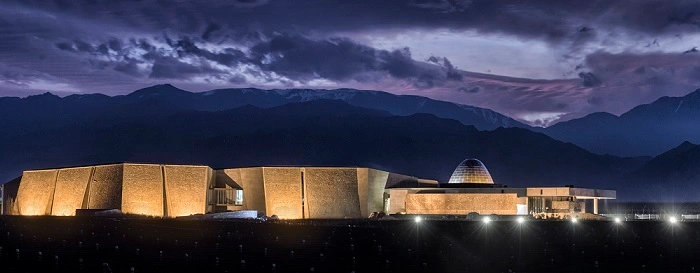
—World’s Best Winery. Bodega Zuccardi Valle de Uco has been repeatedly voted the world’s best winery, drawing international visitors to the Uco Valley.
—High-Altitude Terroir. Vineyards sit between 600 and 1,700 meters elevation, benefiting from intense sun, cold nights, and Andes snowmelt irrigation.
—Harvest Season. The peak travel window is February to April, highlighted by the Vendimia harvest festival in early March with parades and grape picking.
Mendoza wine travel ranks among the world’s best experiences, firmly placing Argentina’s top-producing region on the global map alongside Bordeaux and Napa. The province’s membership in the Great Wine Capitals network confirms its status as South America’s undisputed wine capital.
Why Mendoza Wine Travel Stands Out
The province cultivates 39,250 hectares of Malbec, a grape that failed in France but transformed into a global icon after arriving in Mendoza in 1853. Its high-altitude terroir, ranging from 600 to 1,700 meters, combines over 300 days of annual sunshine with cold mountain nights and pure Andes snowmelt.
This unique climate creates concentrated, complex wines that define Argentina’s global identity. The region also offers the most developed tourist infrastructure in the country, with superior hotels, restaurants, and logistics compared to other Argentine wine areas.
For foreign visitors, this means a seamless travel experience rarely found in emerging wine regions. English-speaking guides, well-maintained roads connecting the key valleys, and a mature hospitality sector make independent exploration both safe and rewarding.
Top Wineries to Visit
Bodega Zuccardi Valle de Uco has been repeatedly voted the world’s best winery, featuring striking stone and concrete architecture. Catena Zapata in Luján de Cuyo is instantly recognizable by its iconic Mayan-inspired pyramid.
Salentein, a Dutch-owned estate in the Uco Valley, pairs tastings with an art gallery and a cross-shaped underground cellar. Other notable stops include Achaval Ferrer for premium Malbec and the seven-bodega complex Clos de los Sietes, designed by Bordeaux consultant Michel Rolland.
Many of these wineries require advance reservations, especially during the busy harvest months. For expats and long-term visitors, joining a winery’s membership club can unlock exclusive vintages and private events not available to the general public.
The Malbec Story
Malbec is Mendoza’s trademark, representing 40% of the province’s total production and standing as the Southern Hemisphere’s most recognized red wine. Originally from Cahors, France, the grape struggled with humidity before thriving in Mendoza’s dry, high-altitude climate.
While Malbec dominates tastings, visitors also sample Semillon, Pinot Noir, and the aromatic Criolla grape Torrontés. Many tours include wine-chocolate pairings or visits to gaucho, or traditional cowboy, sites for a broader cultural experience.
Understanding Malbec’s journey from a struggling French varietal to Argentina’s flagship export helps visitors appreciate why Mendoza wine travel offers a narrative unmatched by older wine regions. It is a story of agricultural reinvention that resonates deeply with investors looking at Argentina’s long-term potential.
When to Go for Harvest Season
The best time for Mendoza wine travel is March, the absolute peak of the harvest season and home to the massive Vendimia Festival. This celebration features grape queen coronations, parades, and theatrical performances.
The broader harvest window runs from February to April, offering warm temperatures between 20°C and 30°C, active winery processing, and behind-the-scenes production access. The general optimal visiting window extends from October through April, covering spring to fall harvest.
Travelers should book accommodations and premium tastings months in advance if targeting the March Vendimia period. For those with flexible schedules, February and April deliver similar hands-on harvest activities with fewer crowds and often more personalized attention at top estates.
What This Means for Expats and Investors
Mendoza’s consistent global recognition strengthens its appeal as a destination for wine tourism and a hub for foreign investment in hospitality and real estate. The province’s membership in the Great Wine Capitals network signals long-term stability and international standards that protect visitor experiences and property values.
For expats already living in Argentina, Mendoza offers a lower cost of living than Buenos Aires paired with a relaxed, outdoor lifestyle centered on food and wine culture. Investors are increasingly eyeing boutique hotel projects and vineyard-adjacent land in the Uco Valley, where high-altitude terroir commands premium prices on the international market.
The region’s established infrastructure reduces the friction typically associated with emerging market investments. Reliable internet, direct flights from Buenos Aires and Santiago, and a bilingual business community make Mendoza a practical choice for those looking to combine lifestyle and opportunity in South America’s most famous wine region.
More: Argentina news in English, every day from The Rio Times.
Frequently Asked Questions
What makes Mendoza a top wine travel destination?
Mendoza belongs to the Great Wine Capitals network alongside Bordeaux and Napa, produces 70-80% of Argentina’s wine, and is home to wineries repeatedly voted the world’s best. Its unique high-altitude terroir, ranging from 600 to 1,700 meters, creates concentrated Malbecs and other varietals that cannot be replicated elsewhere.
When is the best time to visit Mendoza for wine?
March is the absolute peak for harvest activities and the Vendimia Festival, a massive cultural celebration with parades and performances. The broader harvest season runs February through April, with warm weather between 20°C and 30°C and active winery operations.
The general optimal window extends from October through April.
Which wineries should I visit in Mendoza?
Top choices include Bodega Zuccardi Valle de Uco, repeatedly voted the world’s best winery, and Catena Zapata, named the World’s Best Vineyard in 2023 with its iconic Mayan-inspired pyramid. Salentein offers a notable art gallery and cross-shaped underground cellar, while Achaval Ferrer and the Clos de los Sietes complex provide additional premium experiences.
Connected Coverage
Mendoza Wine Travel Named World’s Best Wine Region
Sources: Great Wine Capitals network.
This article was produced by The Rio Times’ automated newsroom system. How we use AI · Report an error · Editorial responsibility: Matthias Camenzind, Editor-in-Chief
Living in or visiting Mendoza? See this month's events.